
Top Nutrients That Promote Longevity in Cats
Providing cats with a well-rounded diet is crucial in promoting longevity. The right nutrients not only help maintain their overall health but also significantly boost their lifespan. A balanced diet with essential vitamins and minerals ensures that cats receive the necessary building blocks to promote longevity. One must pay attention to the quality of ingredients and the nutritional balance. Cats, being obligate carnivores, primarily require high-quality proteins. Proteins from animals supply essential amino acids that support various functions, including muscle maintenance and immune response. Additionally, certain nutrients, when consumed in adequate amounts, can eliminate many health issues. Manufacturers must adhere to high standards in crafting feline nutrition products, utilizing premium sources of protein. Non-protein calories should be included but not overemphasized in their diet. Feeds rich in healthy fats and essential fatty acids encourage good skin and coat health. Cats should avoid fillers and overly processed ingredients. Otherwise, essential nutrient absorption may be compromised. Transitioning to high-quality cat food may require pet parents’ patience but promotes longevity and a happy life for their furry companions.
One essential nutrient for feline longevity is omega-3 fatty acids. These healthy fats are vital for promoting cardiovascular health and reducing inflammation. An appropriate balance of omega-3 and omega-6 fatty acids aids in maintaining optimal skin and coat condition. Fish oil is a primary source of omega-3s, and it should be part of any high-quality cat food. Additionally, these fatty acids also support cognitive function and help in preventing age-related neurological decline. Cat owners must consider incorporating fresh sources of fish into their cats’ diets, thus enhancing their meals with essential nutrients. Furthermore, omega-3 fatty acids contribute to healthy joint function. Cats are vulnerable to arthritis and joint issues as they age, and adequate omega-3 intake can mitigate these problems. Planning meals around this nutrient can ensure smoother movement and improved quality of life for older cats. One should choose varieties of fish low in mercury to minimize toxicity while maximizing omega-3 content. Always consult a veterinarian for tailored dietary suggestions. A proper evaluation can help enhance a cat’s life span towards achieving its full potential.
Another crucial nutrient that contributes to feline longevity is taurine. This essential amino acid is vital for various bodily functions, including heart health, vision, and reproductive health. Unlike some animals, cats cannot produce sufficient taurine naturally, making it necessary to include it in their diet. Taurine deficiency can lead to severe health issues, particularly dilated cardiomyopathy, a heart condition in felines. Ensuring that cat food contains this amino acid is critical for a well-rounded and healthy diet. Additionally, taurine supports healthy immune function and energy levels, contributing to an overall sense of vitality. The best sources of taurine are animal proteins, such as chicken, turkey, and fish. Therefore, pet owners should select high-quality cat food that lists these ingredients at the top. As cats age, their taurine requirements may change, necessitating periodic evaluations of their diet. Monitoring health and wellness in consultation with a veterinarian will optimize support for aging cats as they transition into different life stages. Overall, taurine is a support pillar in building a long, healthy life for your feline friends.
Benefits of Antioxidants in Cat Nutrition
Antioxidants are another fundamental component that plays a significant role in promoting longevity in cats. These compounds neutralize free radicals in the body and combat oxidative stress, which can lead to cellular damage and aging. Common sources of antioxidants include vitamins C and E, along with various phytonutrients found in fruits and vegetables. They support a strong immune system, keeping cats free from illness and disease as they age. Antioxidants help protect vital organs such as the heart and liver, reducing the risk of developing chronic conditions. Additionally, incorporating ingredients rich in antioxidants into your cat’s diet can improve their overall energy levels. Popular fruits and vegetables that contain high levels of antioxidants include blueberries, spinach, and carrots. However, it is essential for cat owners to ensure that these non-meat ingredients are suitable for feline consumption. Certain foods might be harmful to cats, so consulting a veterinarian before introducing new ones is a prudent action. Thus, a well-planned antioxidant-rich diet can significantly enhance a cat’s longevity.
Fiber is another essential nutrient in cat nutrition that can contribute to longevity. While cats are carnivorous, dietary fiber plays a vital role in overall digestive health. Adequate fiber helps maintain a healthy weight by promoting a feeling of fullness, thereby controlling calorie intake. A diet high in fiber can prevent obesity, which is a common issue affecting pet cats and leading to serious health problems. Furthermore, fiber aids in regulating blood sugar levels, reducing the risk of diabetes. Soluble fibers, such as those found in pumpkin, can support healthy digestion and prevent constipation by adding bulk to the feces. Conversely, insoluble fibers can encourage healthy bowel movements. When providing dietary fiber, it is essential to strike the right balance; too much fiber might interfere with nutrient absorption. The best sources of fiber should come from natural, cat-friendly foods. Including fiber in meal planning ensures a healthy digestive tract and sustains your cat’s longevity. Always opt for organic or minimally processed ingredients to provide the best quality nutrition.
Hydration: Key to Cat Longevity
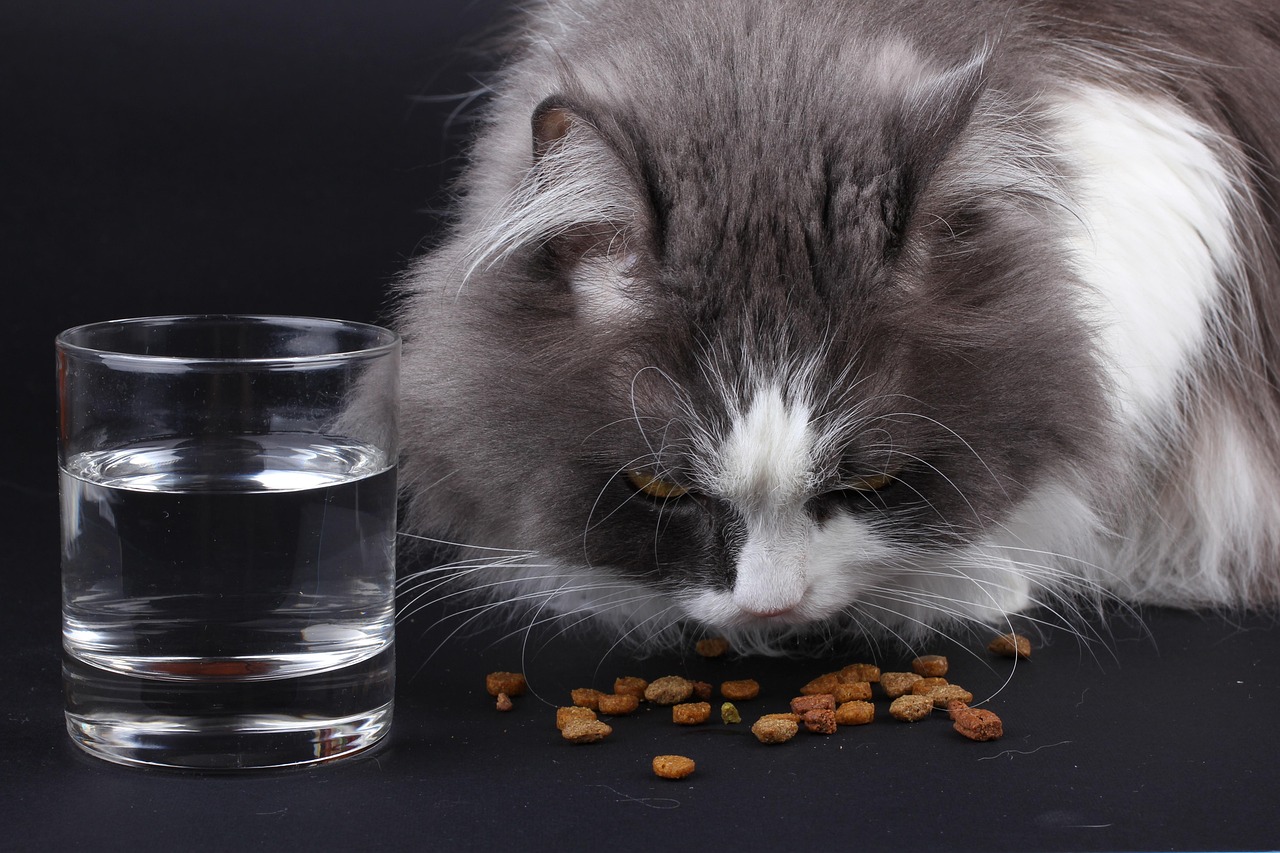
Keeping your cat properly hydrated is foundational for promoting longevity and overall health. Cats have a low thirst drive and evolved from desert-dwelling ancestors who obtained moisture primarily from their prey. Because of this, it’s essential to encourage regular water intake. Cats can be prone to urinary tract issues, so adequate hydration reduces the risk of kidney stones or urinary blockages. Providing fresh, clean water daily is vital, but many cats prefer running water. A cat water fountain could encourage increased water consumption, thus supporting hydration. Additionally, incorporating wet cat food into their diet can effectively increase moisture intake. Not only does it ensure hydration, but it also adds valuable nutrients. Some cats may be picky eaters, so experimenting with various protein sources and texture preferences helps maintain hydration without sacrificing nutrition. It is also beneficial to monitor your cat’s water intake and recognize signs of dehydration, such as lethargy or dry gums. Ensuring your feline has access to freshwater and understands the importance of hydration can significantly influence their long-term health.
Lastly, an essential aspect to consider in feline nutrition for promoting longevity is the balance of vitamins and minerals. Vitamins A, D, E, and K, along with B vitamins, play unique roles in a cat’s health. They are involved in numerous bodily functions, from maintaining vision to ensuring strong bones and boosting metabolism. Minerals such as calcium, potassium, and magnesium are equally important for ensuring optimal bodily functions. Each vitamin and mineral has a specific requirement level, which can change as cats age. Regular vet check-ups can ensure that your cat receives the right amount of nutrients according to their life stage. Moreover, high-quality commercial cat foods are formulated to meet these dietary needs, but always read labels carefully to ensure they contain all essential components. Choices should emphasize natural ingredients over artificial additives. A balanced intake of vitamins and minerals creates a strong foundation for overall health and fortifies your cat’s body against age-related health issues. With a proper understanding of nutrient balance, longevity and vitality can be optimized.
Concluding Thoughts on Feline Nutrition
In conclusion, a holistic approach to feline nutrition can tremendously impact a cat’s longevity. Each nutrient has a unique role, and understanding their significance is crucial for promoting long, healthy lives. Animal protein, omega-3 fatty acids, taurine, antioxidants, fiber, and hydration should be prioritized in every cat’s diet. Consulting with a veterinarian will facilitate tailored dietary recommendations, as nutrition can vary based on breed, age, and health needs. Researching high-quality cat food brands that use whole ingredients ensures your cat receives nutrient-dense meals. As cats’ specific needs change throughout their lives, adjusting their diets accordingly is imperative. Pay attention to your cat’s preferences and monitor their health to ensure they thrive and remain active. If you introduce new foods, do so gradually to watch for any adverse reactions. Overall, by prioritizing proper nutrition, you can significantly enhance your cat’s quality of life while promoting their longevity. Keep in mind that a healthy cat leads to a happy relationship with its owner, filled with many memorable moments. Emphasizing feline nutrition is the first and most vital step towards ensuring a long and fulfilling life for your beloved pet.