
Working with Veterinary Specialists for Rare Cat Breeds
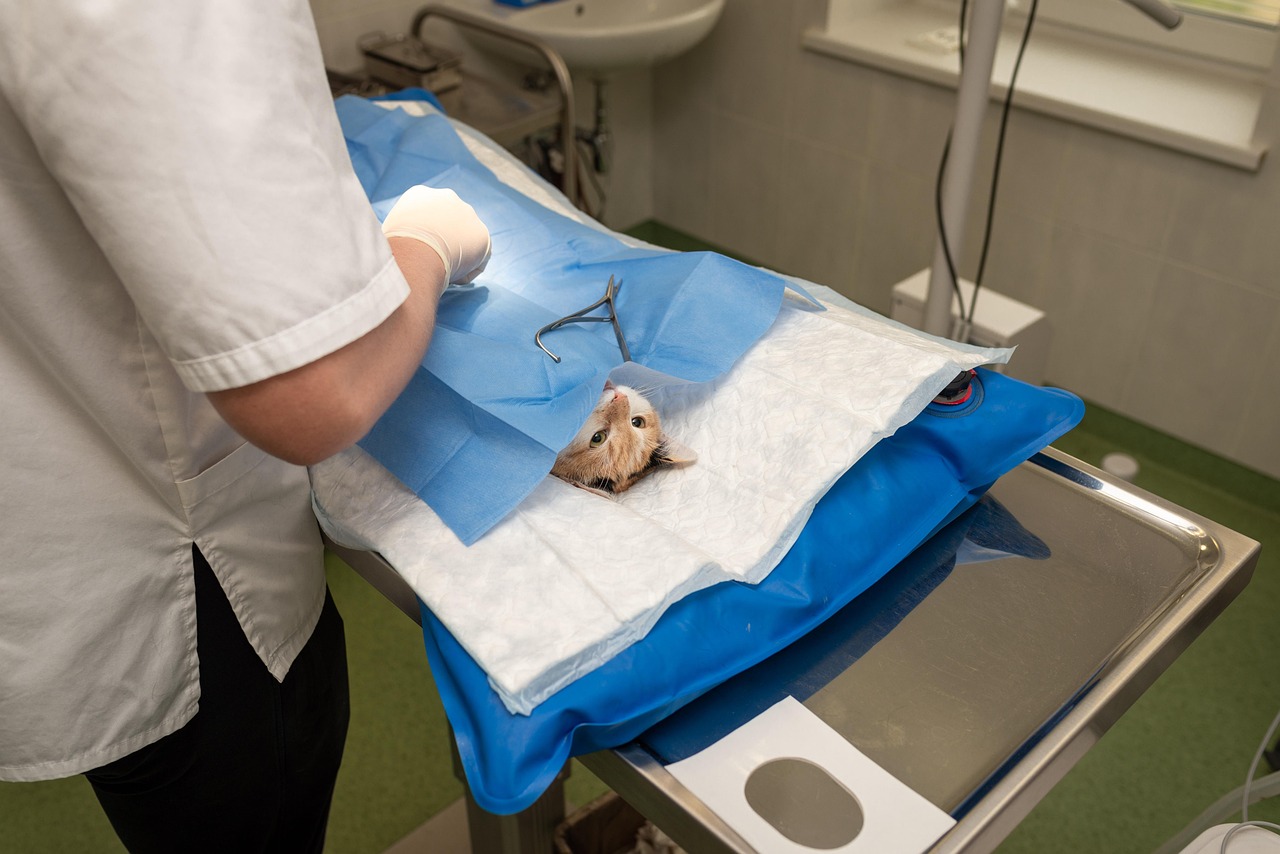
When delving into the intricate world of cat breeding, particularly for rare breeds, the collaboration with veterinary specialists emerges as a cornerstone of success. These professionals provide invaluable insights into the unique health requirements pertinent to species like the Maine Coon or Bengal. Understanding breed-specific diseases is paramount. For example, Maine Coons are predisposed to hypertrophic cardiomyopathy, necessitating regular heart evaluations. Veterinary partnerships allow breeders to remain ahead of potential health issues by implementing tailored care strategies. Regular check-ups and screenings become routine, providing both breeders and pet owners peace of mind. Furthermore, veterinarians can educate breeders on best practices, vaccinations, and nutrition, enhancing the overall welfare of the felines. This relationship ensures that breeders are well-equipped with current knowledge on breeding ethics, genetic diversity, and responsible practices. Ultimately, the alliance with veterinary specialists bolsters the overall breeding process, encouraging a commitment to developing and maintaining the health of rare cat breeds. Knowledge is crucial, and such partnerships pave the way for improved breeding outcomes and healthier feline companions. This comprehensive approach benefits everyone involved, setting a standard of excellence in cat breeding.
Having a veterinarian who specializes in rare breeds can significantly elevate your breeding program. This partnership allows breeders to gain specialized knowledge about genetics and breed standards, crucial for producing high-quality kittens. Genetic testing becomes critical here, as it helps identify hereditary conditions that could affect offspring. Breeders can then make informed decisions about which cats to breed and which to retire from breeding programs. Additionally, veterinarians often have access to emerging research and trends that benefit breeders. This can include insights into the most effective nutrition for specific breeds or innovative health treatments. Such proactive measures can lead to healthier breedings overall. Establishing rapport with your vet fosters open communication, ensuring that any health concerns are promptly addressed. Collaboration in clinical scenarios results in swift interventions, improving survival rates among young kittens. When breeding rare cats, the expertise of a knowledgeable veterinarian aids in addressing unique challenges. This synergy not only enhances the breeding stock but also enriches the overall breeding experience, transforming it into a partnership focused on the welfare of the cats. The breeding process becomes a shared journey, marked by success and the joy of producing vibrant, healthy cats.
The Role of Veterinary Specialists in Genetic Counseling
Veterinary specialists play an essential role in genetic counseling for breeders of rare cat breeds. This is crucial for avoiding genetic disorders that could jeopardize the health of the cats. By evaluating the genetic backgrounds of the breeding cats, veterinarians help breeders make informed choices that will minimize inherited health issues. Genetic testing will illuminate potential problems, enabling breeders to prioritize genetic diversity. This, in turn, can prevent conditions such as hip dysplasia or blindness, which are prevalent in certain breeds. Through thorough analysis, breeders become knowledgeable about specific traits and the risks involved in breeding decisions. Additionally, veterinarians assist in developing breeding plans that promote overall breed health. Counseling services extend to informing breeders about lineage and compatibility, making it a holistic approach to responsible breeding. These services streamline the breeding process, enhancing it with data-driven insights and expertise. Ongoing education, along with access to educational resources, enables breeders to stay updated on best practices and new genetic information. As a result, this collaboration serves as an investment in the welfare of the breed and leads to stronger advocacy for responsible breeding practices and the health of future generations.
Veterinary partnerships can encourage breeders to implement health screening protocols for their cats. Early detection of health issues not only improves the quality of life for the animals but also establishes trust within the breeding community. Breeders who prioritize health check-ups are more likely to produce kittens free from congenital defects, boosting their reputation. This trust is vital for both buyer confidence and collective breeding ethics. Furthermore, routine screenings can unveil abnormalities before any serious illness develops, saving both lives and resources. Also, implementing recommendations for vaccinations and preventive healthcare contributes to a smoother breeding process. This collaboration translates into effective management of health records, ensuring that all necessary vaccinations and treatments are documented and organized. A well-maintained health record aids in establishing a benchmark for the breed’s health history, ultimately reflecting responsible breeding practices. Breeders who engage with veterinarians demonstrate their commitment to animal welfare and proper care. Whether it’s solving existing issues or trying to prevent future ones, having a veterinary professional as a partner leads to a better future for rare breeds. Such proactive measures pave the way for healthier litters and enhance the legitimacy of cat breeding as a serious profession.
Importance of Nutrition and Veterinary Support
Nutrition tops the list of concerns for breeders raising rare cat breeds. A veterinarian’s input in dietary plans ensures that each cat receives the tailored nutrition it requires. Different breeds have unique dietary needs based on their metabolic rates and breed specifications. Vets can also recommend top-quality commercial cat diets or advise on nutritional supplements. Proper feeding protocols mitigate health risks associated with poor nutrition. Furthermore, consultations allow breeders to adjust feeding regimens as cats mature from kittenhood into adulthood. Nutritional guidance supports healthy development and weight management among growing kittens, which is particularly important for larger breeds. Poor nutrition can lead to health crises, stunted growth, and behavioral issues. By partnering with veterinarians, breeders can also develop feeding strategies that can ease weaning in young kittens. These specialists assist in creating transition plans from nursing to solid food, ensuring each phase is thorough and considered. Regular consultations about dietary changes further solidify the collaborative effort to maintain optimal health. Consequently, the growing concern for nutrition is addressed proactively, giving way to thriving healthy kittens. Breeders are equipped with vital insights, leading to an overall improvement in the quality of life for both the cats and the eventual owners.
In the world of cat breeding, understanding the behavior and socialization needs of rare cat breeds is critical. Veterinary specialists come equipped with knowledge about behavioral traits, which is helpful in shaping the upbringing of young kittens. By emphasizing socialization during critical developmental stages, veterinarians help breeders foster well-adjusted cats. Behavioral assessments can pinpoint unique predispositions, allowing breeders to utilize this information effectively. Breeders can work on temperamental traits that are often associated with specific breeds, actively setting the stage for future companions. Moreover, training recommendations provided by veterinarians may lead to successful interventions in cases of undesirable behaviors. Such procedures can enhance the kittens’ readiness for adoption into forever homes. Effective behavior management ensures that buyers receive well-behaved, friendly cats, reducing the likelihood of abandonment or returns. As a result, partners can work on education and happiness, while buyers benefit from a more fulfilling experience. The shared goal is to produce not just beautiful cats but well-rounded companions. Involving specialists in behavioral health emphasizes comprehensive breeding standards, going beyond the physical to include emotional well-being. As relationships with veterinarians deepen, breeders contribute to elevating best practices, securing a positive legacy for the breed.
Building a Sustainable Breeding Program
Finally, developing a sustainable breeding program requires strong partnerships with veterinary professionals who understand the unique dynamics of rare breeds. These partnerships are essential for maintaining a focused approach toward breeding goals while ensuring that the cats’ welfare is never compromised. Regular communication ensures that goals align with best practices in reproductive health. It fosters an environment where ethical considerations are prioritized, ensuring the longevity of the breed. A sustainable program actively engages in responsible breeding practices which are guided by veterinary insights about genetic health and environmental factors. Vet recommendations extend to housing conditions, socialization practices, and overall cat welfare. Additionally, breeders are encouraged to participate in ethical breeding initiatives which aim to enhance public awareness about responsible pet ownership. Vet support enhances the credibility of these initiatives, allowing breeders to contribute meaningfully to the larger breeding community. The ultimate objective is to produce healthy, vibrant cats while protecting the integrity of each rare breed. A solid veterinary partnership creates a legacy of conscientious breeding, paving the way for future generations. This approach resonates throughout the community, establishing standards that promote the well-being of cats, breeders, and owners alike.
As breeders of rare cat breeds, the commitment to elevating both ethical and health standards requires an unwavering dedication to the well-being of the cats involved. Veterinary specialists are crucial partners in this endeavor, shaping the future of cat breeding through collaboration and shared knowledge. Engaging with a network of professionals dedicated to health, genetics, and behavior fosters a holistic approach to cat breeding. This multi-faceted focus guarantees that not only are cats bred for their physical traits but also their temperament and vitality. The result is a thriving community of breeders and owners dedicated to responsible practices that extend beyond ownership, resonating through various layers of society. Investing in the health of rare breeds ultimately reflects on the quality of life for countless individuals. With every kitten born, the commitment renews to preserve and elevate these exquisite creatures. Therefore, fostering relationships with veterinarians is essential in steering effective breeding practices. Trust grounded in expertise allows breeders to approach the future with confidence. The collaborative effort lays the groundwork for developing policies that can transform the perspective on breeding altogether. Each partnership is an invaluable asset toward establishing a legacy of responsible practices that honor these beautiful felines.