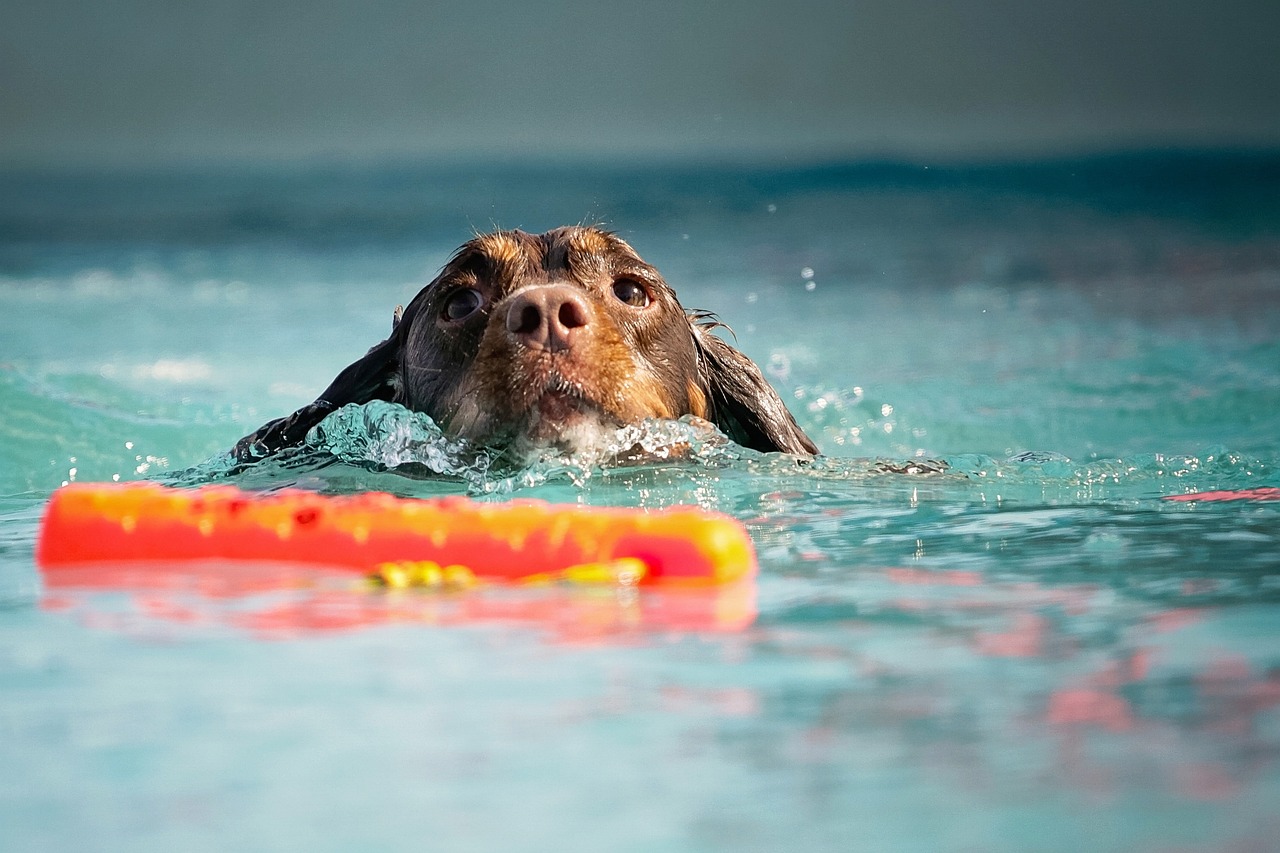

Benefits of Swimming as Exercise for Overweight Dogs
Swimming is one of the most beneficial exercises for overweight dogs, providing an effective way to promote weight loss while being gentle on their joints. Unlike running or jumping, swimming allows dogs to burn calories without the added stress of gravity on their bodies. The buoyancy of water supports their weight, making it easier for them to move freely. This frictionless environment encourages dogs to engage in continuous movement, and they can swim at their own pace, increasing their cardiovascular fitness while reducing strain on their joints. Additionally, swimming can help improve muscle strength, enhance endurance, and promote overall fitness. Just like with any exercise regimen, it is essential to monitor your dog during swimming sessions to ensure their safety. You can start with short swimming sessions and gradually increase the duration as your dog gains confidence and stamina in the water. If your dog is not accustomed to swimming, introducing them slowly with positive reinforcement can help them become more comfortable. Always ensure they wear a life vest for safety, especially for those inexperienced swimmers. Swimming offers unique advantages for managing canine obesity effectively.
One of the primary advantages of swimming for overweight dogs is its low-impact nature, which minimizes the risk of injury during physical activity. Excess weight can place significant strain on a dog’s joints, which may predispose them to conditions like arthritis. Swimming, however, alleviates this risk as it allows them to exercise without the harsh impact on surfaces. This makes swimming an ideal option for older dogs or those with prior injuries. Engaging in water play not only aids in burning excess fat but also helps maintain muscle tone, which is crucial for overall health. It is important to select a safe swimming location, such as a private pool or a dog-friendly beach, to ensure they are comfortable and free of distractions. Consistent swimming can promote significant changes in your dog’s physique, leading to improved health metrics like weight loss and increased energy levels. Regular water activities can also enhance your dog’s flexibility and stamina, critical components for their fitness journey. In addition to physical benefits, swimming can also improve mental stimulation, providing an enjoyable way for overly active or bored dogs to burn energy.
Social Interaction and Enhanced Bonding
Swimming is not only an excellent physical exercise but also an enjoyable social activity for dogs. Many dogs thrive on interaction with other pets and their owners, making swim time a dynamic bonding experience. Taking your dog swimming can also enhance their social skills, as they gain exposure to a variety of environments and other dogs. This helps prevent behavioral issues linked to socialization, thereby promoting emotional well-being. Engaging in group swimming activities or joining a dog swimming class offers opportunities for dogs to socialize. As dogs play together in a shared environment, they learn important interpersonal skills while having fun. These sessions can also provide them with enriching experiences that awaken their curiosity and adventurous spirit. Creating positive associations with water can alleviate fears. Engaging owners in these activities reinforces the bond shared, as owners encourage and support their pets through challenging experiences. Remember to stay involved; bring along toys that float to make swimming more stimulating and delightful for your dog. The joy of swimming fosters an enthusiastic connection between pet and owner while simultaneously benefiting both physically and emotionally.
To maximize the effectiveness of swimming as a weight-loss tool, it’s essential to maintain a regular schedule. Establishing a routine encourages consistency, allowing your dog to gradually adjust to physical activity. Aim for swimming sessions at least three to four times a week, with varied durations based on your dog’s endurance and interest level. Additionally, adding intervals of playtime in between swimming laps can make it more engaging. To keep things fun, consider incorporating fetch or chase games into swimming. This variation will boost their excitement levels and encourage them to exert more energy, ultimately aiding in weight loss. Monitoring your dog’s performance and noting behavioral changes can provide insight into their comfort level and overall fitness. Owners should be aware of signs of fatigue, like heavy panting or decreased enthusiasm, and adjust swimming durations accordingly. A well-structured regimen allows overweight dogs to transition towards healthier weights in a safe environment. Always consult with a veterinarian before starting a new fitness routine, particularly if your dog has pre-existing health issues. Engaging in canine exercise can positively influence their long-term health and wellness.
Safety Tips for Swimming with Dogs
Before you take your dog swimming, it’s essential to prepare properly to ensure a safe experience. Assessing your dog’s swimming ability should be the first step; some dogs are natural swimmers, while others may require encouragement. For hesitant swimmers, consider introducing them gently to the water. A life vest can provide added safety and confidence, especially for novice swimmers. Be vigilant and supervise your dog throughout the swimming session, as dogs can become fatigued or disoriented in water unexpectedly. After swimming, rinse your dog with fresh water to remove chlorine, salt, or sand, as all can irritate their skin or coat. Additionally, ensure they have access to fresh water; swimming can be tiring, and hydration is vital. Watch for signs of exhaustion or distress, as your dog may need breaks if they swim for extended periods. Providing shade from the sun during summertime will also help keep them cool. Always review local swimming regulations and best practices to help ensure the safety and enjoyment of your dog while they swim and play.
Incorporating swimming into a dog’s regular exercise routine can significantly contribute to better health outcomes. Weight management plays a crucial role in not only enhancing physical appearance but also in extending average lifespan and improving overall vitality. As dogs shed those extra pounds through swimming, they typically experience increased energy and improved mobility, leading to a happier life. Combining swimming with a well-balanced diet can enhance results, complementing the benefits gained from aquatic exercise. Regular monitoring of your dog’s weight and health metrics, such as energy levels and mobility, can help assess progress. Additionally, working with a veterinarian or a canine nutritionist can provide valuable insights into optimal dog diets and feeding patterns. The journey to achieving a healthier weight should be enjoyable, filled with love and excitement, as dogs thrive on positive experiences. Keeping training sessions short yet effective is beneficial; dogs are likely to stay engaged with shorter sessions rather than prolonged ones. Celebrating small victories along the way can motivate owners and dogs, fostering a happy relationship centered on health and well-being.
Conclusion: Embrace Swimming for Dog Health
In conclusion, swimming is an advantageous and enjoyable exercise option for overweight dogs, promoting significant health benefits while minimizing physical strain. Engaging in swim activities not only facilitates weight loss but also encourages muscle building, flexibility, and overall cardiovascular health. The social interaction provided through swimming activities allows dogs to thrive emotionally, fostering a strong bond between pet and owner. As swimming becomes part of your dog’s exercise routine, it’s essential to maintain safety and comfort, ensuring enjoyable experiences as they swim. With proper preparation and consistent practice, overweight dogs can gain improved well-being and vitality through swimming. By embracing swimming as a fundamental part of their physical activity, owners can positively impact their dog’s health journey in a supportive and fulfilling manner. Always remember to keep their swimming engagements fun and stimulating to inspire a better relationship with physical fitness. By prioritizing swimming, you create opportunities for your dog to pursue an active lifestyle while also being attentive to their specific needs. Each swim session contributes to a healthier, happier dog, ultimately providing special moments that reinforce the human-animal bond.
In summary, swimming stands out as a unique exercise method that holds considerable advantages for dogs battling obesity. Through this aquatic routine, pets can shed unnecessary pounds while nurturing their physical health and mental well-being. It’s imperative that owners recognize the potential swimming has as an excellent exercise tool for dogs needing a gentle approach. In parallel, the social aspect of swimming also plays a pivotal role in creating a positive environment for dogs, enhancing learning opportunities while solidifying bonds. Implementing a structured swim routine alongside owner involvement ensures that your dog remains engaged and excited to exercise. As you venture into this aquatic fitness journey, consider the aforementioned tips to enhance your dog’s swimming experience, always prioritizing their safety and enjoyment. By remaining vigilant and responsive to your dog’s needs, you’ll foster an enriching routine that encapsulates both fun and fitness. Ultimately, embracing swimming and advocating it as a key exercise form will lead your dog towards a fitter, healthier lifestyle, filled with activities that truly benefit their well-being. Being an adaptive and versatile exercise, swimming is an ideal solution that many overweight dogs can benefit from greatly.