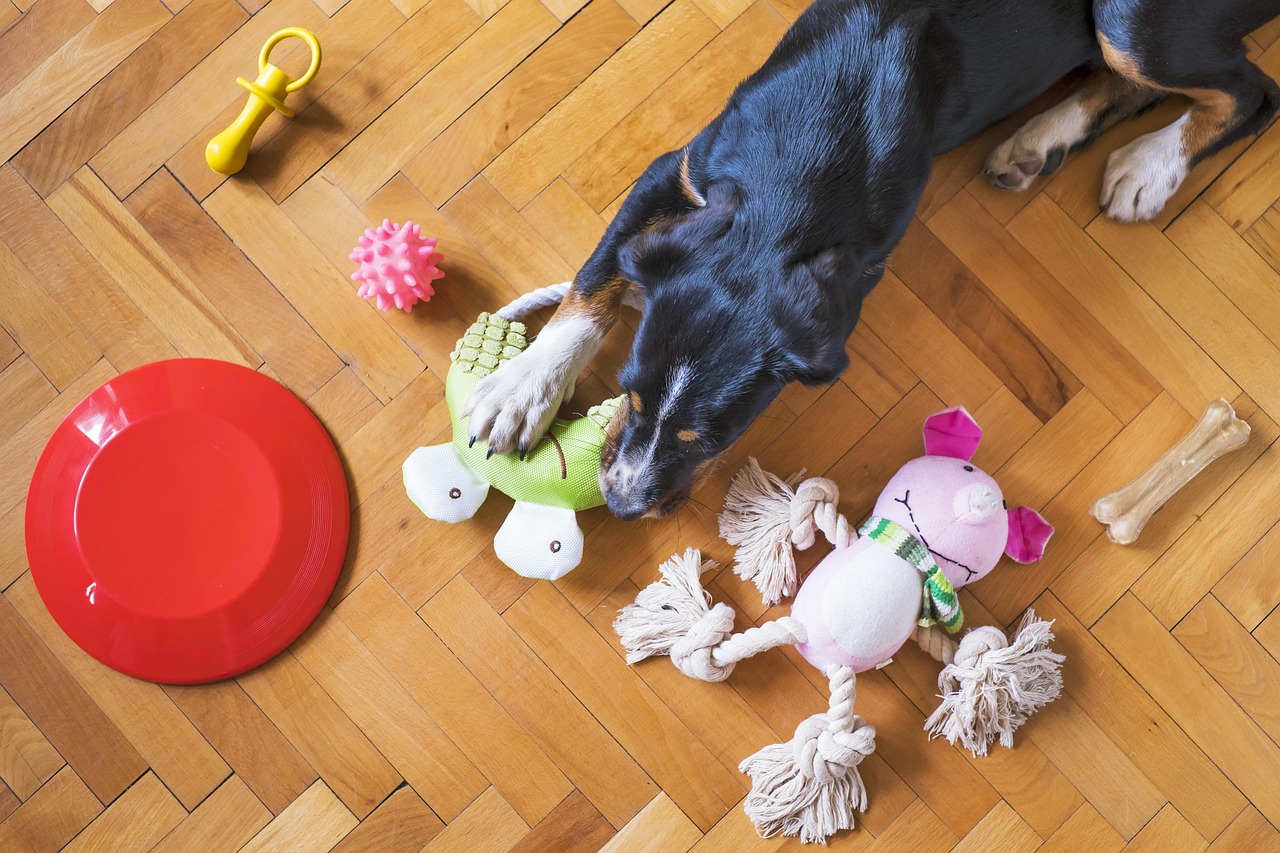

Comparing Different Types of Dog Toys and Their Safety Profiles
When selecting dog toys, consider their safety profiles carefully as they can significantly impact your pet’s health. Chew toys, for instance, are popular among dog owners, yet not all are created equally. Some are made from materials like rubber that are generally safe, while others might contain harmful chemicals. Always check for labels certifying safety compliance, like those from the American Society for Testing and Materials. Dogs love soft toys, but these can pose choking hazards, especially if they’re designed with small parts or easily ripped fabric. Plush toys should allow for a supervised play experience and offer no risk of ingestion. Before making a purchase, you should also consider your dog’s chewing habits. For heavy chewers, durable options like KONG toys are ideal, while gentle chewers might prefer softer materials. Safety involves examining not just the toys but also your dog’s interaction with them. An appropriate choice combines stimulating design with robust construction. Research brands thoroughly and seek recommendations from veterinarians or reputable reviews.
Ball toys are exceptionally popular as they appeal to dogs’ natural chasing instincts. However, ensure they are appropriately sized. A ball that’s too small can quickly become a choking hazard. Look for high-quality materials and weighted construction, as lightweight balls may pose risks if reached in the wrong way or thrown too hard. Besides material, also consider whether the ball is designed to withstand chewing. Some dogs have stronger jaws and may destroy standard balls quickly. Therefore, look for options designed for tough chewing. Safety herein involves sometimes relying on tougher variants specifically designed for durability. Regardless of the toy style, engage in regular inspection routines, replacing any that show signs of wear over time. Extra caution should also be observed with toys that have squeakers inside, which might not be visible but present choking risks if consumed. Keep in mind that the materials used in dog toys can also cause allergic reactions; supervise their playtime to ensure comfort and safety. Focus on durability, quality, and size when selecting a suitable ball toy for your dog.
Rope Toys and Their Safety Features
Rope toys are multi-functional and can be beneficial for both play and dental health. These toys facilitate safe chewing while helping to clean a dog’s teeth naturally. However, ensure that the rope is made from non-toxic materials; otherwise, they can introduce harmful fibers into a dog’s system. Consuming loose threads or fibers can lead to digestive blockages, making this a potential risk for your pet. Regularly inspect rope toys for fraying, and replace them as they deteriorate. Additionally, consider how the rope’s thickness matches the size of your dog’s mouth. Thicker ropes are usually better for larger dogs, while smaller breeds can manage thinner ones. Supervision is critical; observe your dog’s interactions with rope toys closely. To ensure safe engagement, alternate rope toys with other types whenever possible to avoid overexposure to the same item. Finally, always adhere to the manufacturer’s guidelines regarding age and size recommendations. By doing so, you can significantly enhance the safety standards while still providing fun and functional enrichment for your dog.
Interactive toys serve dual purposes: keeping dogs engaged while offering mental stimulation. Puzzle toys, for example, encourage problem-solving, but they must also be safe and free from small detachable parts. When purchasing such toys, aware of choking hazards is paramount. Choose options designed for your dog’s specific skills and preferences, ensuring they won’t lead to frustration or abandonment. As with any toy, safety checks are essential. Look specifically for signs of wear or damage before each use. If pieces can be chewed off easily, they can pose serious risks, particular for enthusiastic chewers. Alternative forms of interaction include remote-controlled toys that challenge your dog physically without posing significant safety concerns. Purchase from trusted brands that prioritize pet safety, and check whether their products comply with safety standards set forth by relevant authorities. Moreover, some interactive toys contain electronic components; ensure these are securely enclosed to prevent access by your dog. Overall, interactive toys can enrich your dog’s life significantly when chosen wisely and utilized with supervision during playtime.
Choosing Safe Chewing Materials
Choosing the right chewing materials can be the cornerstone of ensuring your dog’s safety and well-being. Natural rubber is often a front-runner for safety in chew toys, as it is durable and non-toxic. Many dog owners prefer these options because they are resilient against aggressive chewing and provide a satisfying texture for dogs. Avoid harmful plastics or chemically treated materials, since ingestion could lead to serious health issues. Additionally, consider flavored chew toys, but ensure that flavors are derived from natural sources to prevent harmful additives. Bones and antlers are another popular choice, providing a long-lasting chew experience. However, you must choose ones that won’t splinter and cause injuries. Rawhide, while popular, can also pose risks of choking or digestive blockage, so check for dog recommendations and regulations regarding its use. Regularly monitor your dog’s chewing habits to prevent unexpected accidents. Safe chewing options can provide an effective outlet for dogs, helping with stress relief while ensuring their health remains uncompromised. Learning about various materials will aid in responsible decision-making for dog toys.
As with any pet-related purchases, budget considerations for dog toys must pair with safety considerations. Affordable dog toys may seem enticing, but you often get what you pay for. Cheaper toys may compromise material quality, exposing your dog to harmful substances. Invest in high-quality toys that last longer while ensuring they adhere to safety regulations. Understand that long-term savings come from higher upfront costs since durable toys reduce the frequency of replacements. Prioritize researching brands that feature positive reviews emphasizing safety compliance and longevity. In addition, selecting locally produced dog toys can lead to better quality, as local companies often maintain stringent safety standards. Balancing budget and safety measures involves evaluating the trade-offs you’re willing to accept. Consider factors such as your dog’s chewing behavior and overall needs before making purchases. While it’s tempting to opt for cheaper alternatives, ensuring the safety of pet toys is more important than initial costs. Quality and durability should guide decisions on purchasing dog toys that provide benefits without jeopardizing a pet’s health.
Final Thoughts and Safety Recap
Summarizing safe dog toy considerations is crucial for every responsible pet owner. When choosing toys, prioritize materials that are durable, non-toxic, and appropriately sized. Regular inspection routines that include checking for wear and identifying small detachable parts are vital in ensuring your dog’s safety during playtime. Different styles of toys offer various benefits; however, not all are suitable for every dog. Take into account your dog’s breed, size, and chewing tendencies before deciding. Furthermore, maintain a variety of toys to keep engagement levels high while monitoring your dog’s behavior during play. If something seems off, don’t hesitate to remove toys from use. Always consult a veterinarian or a pet safety expert if unsure about the best types of toys for your dog. Shifting the focus toward quality dog toys can enhance your pet’s well-being while ensuring fewer health concerns. Establishing a safe and fun play environment can ultimately lead to a healthier, happier dog, capable of enjoying playtime worry-free. The benefits of dedicated assessments and careful choices cannot be overstated in leading to great outcomes.
Ultimately, making informed decisions about dog toys leads to happier experiences for both dogs and their owners. Pet owners who are proactive in choosing safe, durable, and engaging toys can see remarkable benefits. Engaging in careful brand research, comprehensive safety checks, and maintaining communication with veterinarians will contribute to your dog’s health and happiness. Remember that a single toy, regardless of its attractiveness, cannot replace the essential bond of interaction and play shared between dog and owner. Implementing proper supervision will empower you as an owner to detect any potential hazards before they arise. Remember, toys are tools to foster bonding and enriching experiences. Creating a safe and enjoyable play area at home means prioritizing safety and comfort standards, enhancing your pet’s playtime while nurturing your relationship. Your dog deserves the best, and this means providing toys that enrich their lives without compromising their health or safety. These choices begin with your commitment to quality and safety against the backdrop of enjoyment and play. The immediate and long-term impacts of choosing wisely must always remain in focus, allowing a fulfilling and rewarding life for your pet.