
Creating a Safe Outdoor Space for Wait Outside Training
Training your dog to wait outside is an essential skill that contributes to overall safety and obedience. First, it’s crucial to choose a secure area that is free from distractions and potential hazards. Ideally, this location should be fenced to prevent your dog from wandering off or running into traffic. Ensure the surface is safe, without sharp objects or toxic plants. Consider using a designated training spot with a specific boundary, so your dog begins to associate this area with a waiting command. This consistency is key in reinforcing their training. Once a specific location is established, it’s important to use positive reinforcement to encourage good behavior. Treats and praise go a long way in making your dog understand what waiting outside means. Be patient as they learn the command, giving them time to adjust to the outdoors while maintaining focus. Interactions with other people or dogs should be limited during the initial training, preventing distractions that can confuse your pet. Make waiting outside a positive experience for your dog to enhance their learning process effectively.
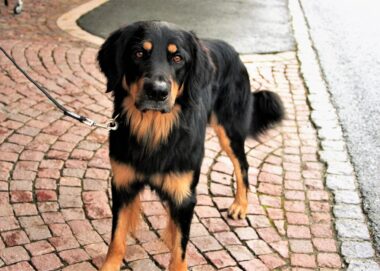
Another important aspect of training is introducing the command gradually. Start by having your dog on a leash in the designated area, ensuring they feel secure. Use a firm yet gentle tone to say the command, such as “wait” or “stay” every time you give the instruction. To reinforce this, reward your dog immediately when they obey. You’ll want to practice various scenarios, altering the environment slowly as they begin to grasp the concept of waiting. Slowly increase the duration they stay in the designated area, rewarding them for compliance. If they try to move, gently coax them back and remind them of the command. This technique not only teaches patience but also builds trust between you and your dog. Create distractions as your dog becomes more proficient, such as toys or noises, to observe how well they maintain focus. If they become too distracted, reduce the difficulty until they can successfully wait again. Training sessions should be short and engaging, capping at around ten to fifteen minutes to keep your dog’s attention high and to enhance learning without frustration.
Using Positive Reinforcement Effectively
Positive reinforcement is key in teaching your dog the wait outside command effectively. When your dog is waiting patiently, provide them with praise, treats, or their favorite toy. This will create a strong association between good behavior and rewards, making them more likely to repeat the behavior. Timing is also critical; rewards must be given immediately after your dog successfully waits. This will help them connect their actions with the positive outcome. Use high-value treats initially to capture their attention. As they become more reliable, you can gradually reduce the lure of treats and replace them with verbal praises. However, never eliminate the rewards entirely, as they remain important in maintaining the behavior over time. Dogs thrive on consistency, so ensure all family members use the same command and methods for reinforcing behavior. When possible, practice daily to establish routine. Be patient during this process, as each dog’s learning pace can vary. If your dog doesn’t respond well initially, don’t get frustrated. Instead, go back and simplify the commands, rewarding smaller achievements along the way. Keeping the atmosphere positive positively impacts their learning experience and behavior.
Additionally, timing your training sessions while ensuring a stress-free environment contributes to the success of the wait outside command. Avoid training during times when your dog is excessively energized or distracted; early morning or late evening may work best. Ensure the surroundings are calm to facilitate your dog’s concentration. If someone or something nearby distracts your dog, remind them of the training command and redirect their focus. Practice gradually increases from a low-distraction environment to one with more activity as your dog improves. At times, varying your training location gives your dog more experience waiting in different scenarios, helping them generalize the command across environments. Combine this with structured exercise before training sessions to ensure your dog can focus better. Always end sessions on a positive note, even if it’s simply sitting together and enjoying treats or a game. This reinforces your bond and makes training a more enjoyable experience for both of you. In honoring your dog’s abilities and providing them with engaging training, you’ll create a strong foundation for learning essential commands that enhance their overall life quality.
Common Challenges in Training
Training for the “wait outside” command can present various challenges. One major issue may arise when your dog becomes overly excited at the prospect of going outdoors. To counteract this, initially train the wait command indoors before moving outside. Reinforce the command while your dog is calm, making this process easier. Another common challenge includes distractions from the environment. Unfamiliar noises, passing cars, or other animals can lead your dog to lose focus. Gradually increase distractions during training sessions as your dog develops their skills. If your dog isn’t responding well during a session, be flexible; consider taking a break or lowering the difficulty of the exercises. Remain patient as your dog may take time to understand the expectations fully. Consistency is crucial; always use the same commands consistently and reward behaviors every time they respond correctly. Additionally, be aware of your own body language and tone, as dogs often pick up on human emotions. Remaining calm and assertive encourages their compliance and eases nerves during training sessions.
Another common barrier can be the dog’s anxiety conditions or fear of certain outdoor situations, such as loud noises or presence of other animals. Desensitizing your dog to these factors gradually can prove beneficial. Start by exposing them in a controlled manner to one stimulus at a time while rewarding calm behavior. If your dog shows signs of anxiety, like barking or pulling away, it’s essential to backtrack and practice in a more manageable environment where distractions are minimal. Offering comfort and reassurance helps build confidence and reduces fear responses. In severe cases, consult with a professional trainer who specializes in anxiety-related behaviors. Tailoring your training approach could benefit them greatly during this process. Consistently monitoring your dog’s reactions will help determine when to introduce more challenges or stimuli. Avoid rushing the training and remain positive throughout the learning process. The wait outside command becomes manageable as both you and your dog build trust and confidence, continuously reinforcing the desired behaviors through positive experiences outdoors.
Maintaining the Wait Outside Command
Once your dog has grasped the wait outside command, maintaining that obedience is vital for lasting success. Consistent practice is essential, as commands taught once can fade over time without reinforcement. Engage in routine reinforcement throughout your daily interactions, even outside of dedicated training sessions. This could involve casually using the command during walks, at the park, or even at home. Implementing the command in everyday scenarios keeps it fresh in your dog’s memory. Regularly returning to the command will ensure your dog maintains an understanding of what is expected of them. Varying the context helps strengthen their learning while promoting adaptable behavior. In different settings, you may also face new distractions. Focus on practicing patience and control to handle these distractions appropriately. If distractions become overwhelming, reduce the environment’s difficulties before reintroducing higher challenges. Re-evaluate strategies as your dog evolves, updating techniques to enhance their engagement and attention. Always remember that each dog’s learning trajectory varies; remaining mindful of your dog’s needs can foster a lasting understanding of the command and contribute to their outdoor safety and obedience in the long run.
The wait outside command significantly enhances communication and strengthens the bond between you and your dog. Celebrating your dog’s progress, no matter how small, helps develop trust and loyalty. Positive interactions encourage a healthy relationship, creating a fulfilling environment for both of you. As you work together, it’s important to enjoy the process while recognizing their challenges. Be adaptable, allowing room for mistakes while emphasizing patience and understanding. Celebrating milestones and daily successes keeps motivation high both for you and your dog. If your dog struggles at any point, revise techniques, breaking down training into smaller components to regain their confidence and maintain engagement. The goal is to create a well-rounded and obedient canine companion that feels secure in both outdoor and indoor settings. Continue seeking opportunities to further reinforce training while exploring new experiences together. This dynamic will enhance not only their skill set but also enrich the quality of your time spent together outdoors, ensuring a safe and enjoyable environment for your dog. Thus, you’ll cultivate lasting outdoor behaviors contributing to an overall positive experience for both of you.