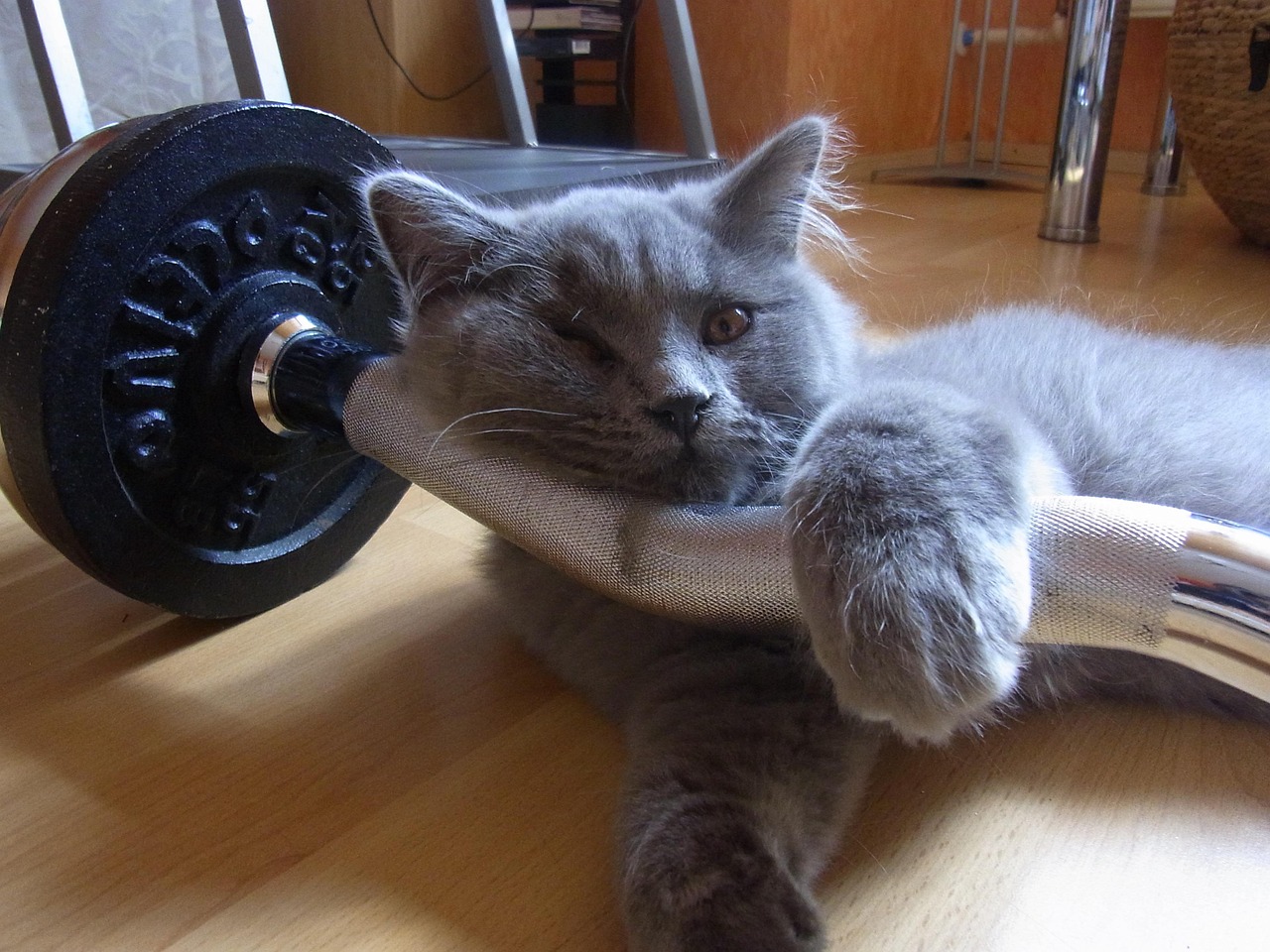

DIY Cat Training Cones: Easy and Affordable Options
Training cones are essential tools for helping your feline friends learn various commands and navigate through agility courses. Making them at home can be an affordable and fun project. You can get creative with materials, allowing you to customize the design to suit your cat’s personality. Using lightweight materials like plastic is ideal because it ensures easy portability and storage. Additionally, these cones can effectively indicate boundaries for training sessions. Start by gathering materials that are readily available. Options include plastic bottles, cardboard, or foam to create structures that are visually appealing to cats. Choose bright colors for better visibility and encourage your cat to interact with the cones. Make sure each cone is sturdy enough to withstand a playful kick. Use scissors or a craft knife to shape the cones, ensuring there are no sharp edges. Once completed, introduce the cones gradually with treats, which will help your cat associate them with positive experiences. Lastly, don’t forget to reward your cat during training to maintain enthusiasm.
From household items to pet-friendly supplies, the options for DIY cat training cones are abundant. Simple projects can turn leftovers into effective training tools. For instance, you can use empty plastic bottles by cutting them to the desired cone height and decorating them with colorful tape. This method not only recycles but also makes use of materials that might otherwise be discarded, showing that eco-friendly practices can be integrated into your pet training routine. Moreover, painted plastic containers can evolve into fashionable training cones. Use non-toxic paint to spruce up ordinary containers and ensure that they look great while serving their purpose. Cats are often attracted to vibrant colors, so this can enhance their engagement during training sessions. When using any materials, always prioritize your cat’s safety and ensure everything is non-toxic. As your cat becomes accustomed to the cones, it’s essential to gradually increase the complexity of the training. Maintain a comfortable pace to avoid overwhelming them, and remember, patience and consistency are key to effective training results.
Innovative Designs for Your DIY Training Cones
Another innovative idea for DIY cat training cones is to create collapsible cones. Utilizing lightweight materials can streamline storage and transportation. These cones are practical, especially for pet owners who travel frequently with their cats. To achieve this, consider using fabric or flexible plastic that allows for folding. This design is not only user-friendly but also minimizes clutter in your home. Furthermore, adding weights at the bottom can secure the cones, ensuring they stay in place during training sessions. Look for items such as small sandbags or weighted fabric that can be appended to the base. The goal is seamless integration with your existing training schedule. To create these collapsible cones, measure and cut your chosen materials to size, using patterns for consistency. Once you’re content with the design, engage your cat’s curiosity and use treats to encourage interaction. Remember, while experimenting with new designs is exciting, ensuring your cat’s safety and comfort should always remain a priority. Cones that can easily be set up and taken down can revolutionize your training experience.
Besides standard shapes, consider unconventional cone designs that stimulate your cat’s curiosity further. For instance, cones in varying heights can create an exciting challenge for your cat as they learn to navigate unique obstacles. This variety can encourage physical activity and strengthen their agility skills. Utilize different materials such as wood, fabric, or cardboard to achieve these designs. Ensure the cones are stable and secure enough to withstand bumps and nudges from your playful cat. If opting for cardboard cones, reinforce them with additional layers to enhance sturdiness. This reinforcement is crucial because lightweight materials may not be able to withstand rigorous activities. Decorative designs can transform simple cones into engaging training equipment. Use fun patterns or embellishments to attract your cat’s attention, motivating them to interact more frequently. As always, introduce new designs gradually to avoid overwhelming your pet. Remember to reward every effort they make while practicing this interactive method. This helps create a positive association, making training an enjoyable experience for both you and your cat.
Utilizing Outdoor Materials for Training Cones
If you have access to outdoor materials, such as small cones from the dollar store or even pine cones, you can craft unique training tools. These natural elements can add texture and visual intrigue that your cat might find fascinating. Pine cones, when cleaned and made safe for indoor use, can serve as excellent training indicators. Painting them with non-toxic paint can enhance their visual appeal while ensuring safety. Getting your cat involved in the process can be a rewarding experience. Cats love to explore new textures and shapes, so allowing them to inspect these natural items first can build curiosity. Always supervise these interactions to ensure their safety, as some items might pose a choking hazard. Organizing training sessions outdoors can spice up your training routine while using these cones. Fresh air and new surroundings can energize both you and your cat, making the learning process more enjoyable. Be sure to create a secure and familiar environment while outdoors, allowing your cat to focus on their training without distractions.
Moreover, incorporating agility training into regular playtime can deeply enrich your cat’s skills while utilizing the cones. Consider arranging a mini course using the cones interspersed with obstacles and rewards. Building a course that is both challenging yet fun encourages your cat to explore its capabilities. Use treats to guide them through the course, motivating them to complete each section successfully. Keeping training sessions short helps maintain your cat’s attention, making it a more productive experience. Always conclude each session with positive reinforcement, establishing a connection between the cones and enjoyable outcomes. This fosters a sense of accomplishment for your cat. It’s advisable to rotate the activities regularly to prevent boredom and keep their minds sharp. Along with the training cones, introduce different toys and challenges to heighten their interest. Always remember that the objective is not just training your cat, but also strengthening your bond. Building trust through this training enhances the overall experience, allowing you to enjoy quality time while your cat learns important skills.
Final Tips for Successful Cat Training with Cones
Consistency is vital for successful cat training, especially when using DIY cones. Always aim to practice daily, even if for short periods. This encourages routine and familiarity, solidifying your cat’s understanding of commands associated with the cones. As your cat becomes more comfortable navigating the cones, consider introducing new commands or challenges to keep them engaged. It’s crucial to observe your cat’s response and adjust the training techniques accordingly to ensure continued interest. Emphasize positive reinforcement through treats and praise, rewarding achievements, both big and small. This approach strengthens the bond and increases your cat’s enthusiasm for learning. Furthermore, always remain patient and flexible during the training process, as every cat learns at its pace. Allowing them the freedom to explore and engage with their surroundings can enhance the training experience. Facilitating regular interaction with their training cones helps remind them of the positive experiences associated, increasing their enjoyment. Lastly, make training time a fun routine for you and your cat, reinforcing adherence to commands and enhancing overall behavior through exciting activities.
Incorporating these DIY cat training cones into your routine can significantly improve your pet’s agility skills while creating a fun bonding experience. These cones, made from everyday materials, can be customized to suit your cat’s preferences and play style. Whether you decide to use traditional garden cones or trendy homemade options, the key is to keep your cat engaged and motivated throughout the training process. Consider rotating the cone shapes and colors occasionally to maintain their interest, as cats thrive on novelty. By establishing a playful structure to their learning, you’re not only teaching them commands but also allowing them to express their natural instincts. Remember to celebrate even the small victories for your cat; it builds trust and creates enthusiasm during training sessions. Building a support network with other cat owners can also lead to shared ideas for engaging training methods. Continuous learning together enriches experiences and prevents stagnation. All these creative approaches to training your feline companion will nurture their physical and mental capabilities, ensured by your unwavering support. Enjoy watching them flourish through consistent practice, learning, and an abundance of love!