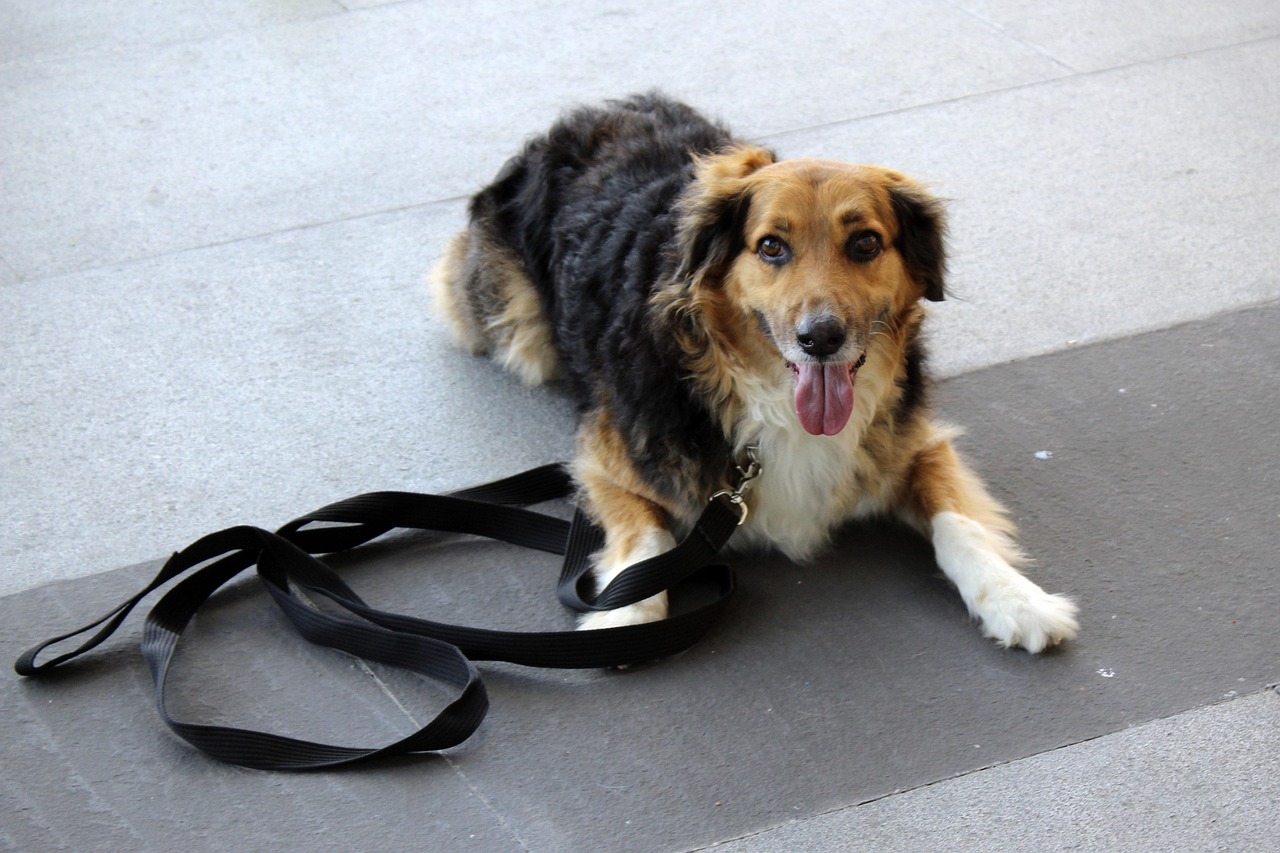

How to Handle Sudden Behavioral Changes in PTSD Dogs
Understanding the needs of dogs with PTSD is essential for effective training and care. These dogs may display sudden behavioral changes due to various triggers. From loud noises to unfamiliar environments, each instance can exacerbate their anxiety. Symptoms often include excessive barking, withdrawal, or displays of aggression. To address these issues, it’s crucial to observe your dog closely, noting the situations that lead to distress. Consistency in training routines will help provide a sense of security. Maintaining a calm demeanor as a handler aids in reassuring the dog as well. Positive reinforcement is particularly effective with PTSD dogs. Techniques such as treats or praise during calm behavior create positive associations, making it easier for them to adapt to challenging situations. Gradual exposure to stressors also plays a vital role in training. Introduce stressors slowly, allowing your dog to acclimate without becoming overwhelmed. Consider consulting a professional dog trainer or a behaviorist specializing in PTSD cases. They can offer personalized strategies suited to your dog’s unique needs and circumstances, ensuring a more effective approach in modifying unwanted behaviors.
One significant aspect when handling dogs with PTSD is creating a safe space. Dogs often retreat when stressed, and providing a designated area can be immensely beneficial. Make sure this space is quiet and free from interruptions. Include elements that make your dog feel secure, such as their favorite blankets or toys. It’s essential for them to have a refuge they can rely on during triggering situations. Encourage your dog to use this space whenever they feel anxious. Consistency can build comfort and assurance for your dog. Apart from a safe space, intentional socialization should be a gradual process. Abrupt interactions with new people or other animals can overwhelm a PTSD dog. Instead, introduce one new element at a time. Start with minimal distractions and gradually increase exposure as they gain confidence. Keep these interactions positive and stress-free, allowing your dog to set the pace. Monitor their body language to identify signs of discomfort and adjust accordingly. Building positive experiences during socialization is key to overcoming their fears and anxieties, making their world feel less daunting and more enjoyable.
Training Techniques for PTSD Dogs
Different training techniques yield varying results when working with PTSD dogs. The use of desensitization techniques is a foundational approach, where the dog is exposed to triggers gradually at a manageable level. For instance, if your dog reacts fearfully to loud sounds, play recordings at a low volume while rewarding calm behavior. Gradually increase the volume as your dog becomes more at ease. This process builds a positive association with the sounds that perplexed them earlier. Similarly, counter-conditioning can shift a dog’s emotional response to certain stimuli. By associating something they enjoy, like treats, with the previously distressing trigger, you can help them form a new, positive perception. Remember to be patient, as results are not always immediate. Each dog progresses at its own pace. Supplementing these techniques with relaxation methods can significantly improve a PTSD dog’s comfort level. This may include teaching them to settle on command or use calming signals to communicate. Consistently implementing these methods will nurture their confidence while enhancing the bond between you and your dog, creating a space of mutual trust and understanding.
Another effective strategy includes utilizing enrichment activities specifically designed for your PTSD dog. Engaging their mind can reduce anxiety and distract them from triggers. Puzzle toys that dispense treats encourage problem-solving and keep them focused. Mental stimulation is as important as physical exercise. Additionally, consider incorporating simple training exercises to keep their mind active. Short sessions of basic commands reinforce skills while providing a sense of achievement. This can greatly reduce stress levels. Moreover, interactive games can strengthen your connection. Activities like hide-and-seek or scent work stimulate their natural instincts, which can be therapeutic. Remember, the goal is to enhance well-being while reducing anxiety triggers. Physical exercise should not be overlooked. Regular walks promote not only physical health but also provide an opportunity for new experiences. Gradually introducing them to different environments helps them adapt and gain confidence. Pay attention to their body language to identify levels of comfort. By creating a balanced approach that marries mental and physical stimulation, you enhance your dog’s resilience against anxiety and support their journey toward recovery from PTSD.
Recognizing Triggers and Stress Signals
Identifying triggers is paramount in managing sudden behavioral changes in PTSD dogs. Every dog is unique, and triggers may vary significantly from one companion to another. Common triggers often include unfamiliar sounds, certain movements, or even specific scents. Keeping a careful diary of your dog’s responses can be invaluable in pinpointing these triggers. Observing their body language when they encounter stressors also helps in understanding their emotional state. Signs of distress may manifest in different ways, such as panting, pacing, or trembling. Your dog’s specific responses will reveal what makes them uncomfortable. Once triggers are recognized, they can be managed more effectively. Create detailed plans to minimize exposure to identified stressors whenever possible. For instance, if your dog is particularly sensitive to loud noises, try to create a safe space during events such as fireworks or thunderstorms. When exposure is unavoidable, employ desensitization techniques incrementally to help them adapt. Equally important is maintaining a calm presence. Your demeanor can significantly influence their reactions. By effectively recognizing triggers and responding appropriately, you empower your dog with strategies to cope even in stressful situations.
While addressing the behavioral changes in dogs with PTSD, it’s crucial to consider professional help when needed. Many individuals may feel overwhelmed or uncertain about how to proceed. A qualified trainer specializing in canine behavior can provide insights tailored to your dog’s specific situation. Therapy options, such as behavior modification, can also be explored. Make sure the professional has experience with PTSD specifically. They can guide you through methods you’ll use to manage your dog’s reactions effectively. Additionally, consider discussing your dog’s condition with a vet. Sometimes, underlying medical issues could contribute to behavioral changes. Consulting with a veterinarian may lead to solutions that include medication or alternative therapies to alleviate anxiety. It’s essential for pet owners to prioritize their dog’s well-being above all else. The support of professionals can reinforce the foundation you’re building at home. Their expertise can offer reassurance and encouragement during tough times. Remember, your dedication and commitment to your dog’s recovery will make a significant difference in their lives. Be patient, as healing takes time and consistent effort will yield positive results.
Maintaining a Positive Environment
Creating a positive environment plays a pivotal role in helping dogs feel secure. Start by establishing routines that the dog can rely on. Dogs thrive in structured settings, and knowing when to expect walks, meals, or playtime helps alleviate anxiety. Consistency breeds confidence, enabling them to navigate their world with ease. Make sure the positive experiences are reinforced through interaction. Quality time spent with your dog will nurture their emotional security and improve their overall happiness. Engage in activities that promote joy, such as playing with toys or enjoying nature outdoors. Being proactive in the learning process also fosters resilience. Encourage your dog during trials and challenges, celebrating their accomplishments, no matter how small. Social reinforcement is essential. Whenever you notice them displaying brave behavior, acknowledge it immediately. Letting them know they’ve done something right will help solidify the change in behavior. Reducing stress factors in the home environment is equally important. Eliminate excessive noise and distractions, especially during their quiet time. By creating a haven free from stresses, you enhance their chances of feeling relaxed and secure, contributing to positive behavioral adjustments.
Lastly, remember that patience is vital when working with PTSD dogs. Sudden behavioral changes can be distressing for pet owners, but it’s essential to approach these challenges with understanding and empathy. Rushing the training process can lead to setbacks. Give your dog the time they need to process their feelings and emotions. Acknowledge the effort they put into overcoming their fears, celebrating achievements throughout their journey. Understand that each dog may have its unique timeline for recovery. Adopt a long-term perspective when setting goals. Measure progress by observing gradual changes in their comfort levels and reactions. When challenges arise, take a step back and reassess your methods. If something isn’t working, it may be time to adjust your approach based on their individual needs. Remember that seeking support isn’t a sign of failure. Engage with the dog training community or reach out to fellow pet owners who have faced similar challenges. Their experiences can provide invaluable insights and encouragement. Ultimately, fostering a strong emotional bond with your dog will yield fruitful results, providing a pathway for healing and ultimately leading to a better quality of life for your beloved companion.