
Natural vs. Mechanical Ventilation in Dog Houses: Pros and Cons
When considering ventilation for dog houses, it is essential to understand the two main types: natural and mechanical. Natural ventilation relies on natural air flows, while mechanical ventilation uses fans and exhaust systems to circulate air. Both have their pros and cons, and understanding these helps dog owners make the best decisions for their pets’ comfort. Natural ventilation is often thought to be the simplest and most cost-effective option, requiring no energy sources and utilizing windows, doors, and vents. This type promotes a healthy environment by allowing adequate fresh air circulation, reducing moisture buildup, and minimizing odors. The reliance on weather patterns, however, can make natural ventilation less reliable during extreme temperatures. Conversely, mechanical ventilation systems can be installed to provide consistent airflow regardless of environmental conditions. These systems ensure proper air exchange, reduce humidity, and keep harmful pollutants at bay. However, mechanical systems require maintenance and energy, which can lead to increased operating costs. Ultimately, owners need to assess their specific situations to choose the best ventilation solution for their dog houses, balancing comfort, efficiency, and affordability.
One of the primary benefits of natural ventilation is its simplicity and low cost. Utilizing the natural breeze and convection currents means that dog owners don’t need to invest in complex systems. Fresh air circulates freely, which helps in keeping the interior of the dog house comfortable. Furthermore, natural ventilation promotes a healthier atmosphere by aiding in moisture control and preventing mold growth, which can be detrimental to a dog’s health. That said, the effectiveness is context-dependent. During hot summer months, temperatures can soar, making dog houses uncomfortable at times. On the other hand, in winter, cold drafts can enter, potentially causing discomfort. Dog owners in more stable climates may find natural ventilation suitable, while those in areas with fluctuating weather may struggle with its reliability. Effective design can mitigate some issues, such as positioning ventilation openings strategically to enhance airflow without compromising temperature in extreme weather. Therefore, before choosing natural ventilation, assess local weather conditions and any potential design adaptations needed to enhance performance. Ultimately, comfort for pets and energy consumption should guide the owner’s decision-making. Addressing these factors is key to creating an ideal environment for dogs.
The Advantages of Mechanical Ventilation
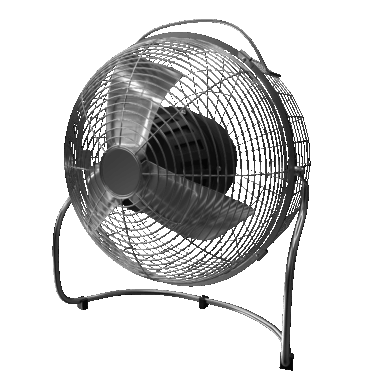
Mechanical ventilation offers several distinct advantages, particularly in climates where natural airflow proves insufficient or unreliable. Firstly, it provides a constant and controllable flow of air, ensuring that dogs remain comfortable in varying temperatures. By installing exhaust fans or ventilation systems, dog owners can effectively exchange stale air for fresh air, mitigating overheating and maintaining a consistent environment year-round. This reliability is essential for breeds susceptible to heat stress or respiratory issues. Another advantage is the ability to filter pollutants from the air, which enhances the overall quality. This is especially beneficial for dogs with allergies or respiratory sensitivities. Modern mechanical systems often come equipped with high-efficiency particulate air (HEPA) filters, which can trap dust, pollen, and other allergens effectively. Additionally, mechanical systems can be fine-tuned using thermostats and timers to optimize energy consumption. Although they can incur higher installation and operational costs than natural systems, the long-term benefits for pet health may offset these expenses. Owners should carefully evaluate their dog’s needs when considering these options. In general, mechanical systems offer a more tailored and effective solution for maintaining healthy indoor environments for dogs.
Despite the advantages of mechanical ventilation, there are also notable drawbacks. The primary concern is the associated costs, including installation, operation, and periodic maintenance. These expenses can add up, particularly for households on a tight budget. Moreover, mechanical systems often require electrical power, so in regions prone to outages, their functionality may be compromised, potentially jeopardizing the dog’s comfort and well-being. Additionally, improper installation or maintenance can lead to issues such as noise pollution, draughts, and inefficient airflow. Regular inspections and cleaning of ducts and filters are essential, which can be burdensome for some dog owners. Importantly, there’s an environmental impact to consider since higher energy use contributes to carbon emissions. This can be a significant factor for environmentally conscious consumers seeking to minimize their carbon footprints. Subsequently, when opting for mechanical ventilation, dog owners must weigh both the advantages gained in comfort and air quality against the potential drawbacks. By taking a holistic approach to assessing these factors, owners can effectively determine whether mechanical ventilation aligns with their values and requirements while ensuring the best environment for their pets.
Combining Both Ventilation Methods
A balanced approach that integrates both natural and mechanical ventilation can offer an optimal solution for many dog owners. Utilizing natural ventilation during mild weather enhances comfort and minimizes energy use, while mechanical systems can activate when conditions become extreme. This combination allows pet owners to leverage the benefits of both methods, achieving a well-ventilated space without incurring excessive costs. For instance, during the spring and fall, opening windows and using passive ventilation methods can ensure proper airflow, assisting dogs in maintaining comfortable temperatures. Conversely, on particularly hot days, mechanical systems can kick in to provide immediate relief from oppressive heat. This hybrid approach accommodates varying climates, adapting to each season’s specific demands. Moreover, achieving an effective balance requires careful planning during the design phase of the dog house, ensuring vents and openings are located to make the most of natural breezes while also allowing for the installation of fan systems when needed. This strategy maximizes comfort and improves the overall health conditions within the living space for dogs, ensuring that they enjoy their time indoors regardless of external environmental conditions.
Your dog’s health and wellbeing depend on a comfortable living environment. Therefore, proper ventilation is crucial in any dog house to ensure the air remains fresh and healthy. Whichever option, natural or mechanical, chosen should reflect an understanding of your dog’s specific needs as well as your location’s climate. Regular monitoring of indoor conditions, including airflow and temperature, is vital. This regular scrutiny helps in making timely adjustments, regardless of the system you utilize. For example, airflow from natural ventilation could be increased by strategically placing portable fans during still summer nights, enhancing the comfort level. On the opposite, if utilizing mechanical ventilation, the frequency of filter changes and system checks must be prioritized for optimal performance. Ensuring that any method of ventilation chosen is appropriate can help prevent unnecessary health issues related to poor air quality, such as respiratory problems and allergies. Additionally, include plenty of opportunity for outdoor enrichment and exercise, which will complement the indoor ventilation and contribute to the overall wellbeing of your dog. Ultimately, a holistic approach is fundamental in maintaining a balanced and healthy environment.
Final Considerations for Dog Owners
In conclusion, deciding between natural and mechanical ventilation ultimately hinges upon several key factors including climate, dog breeds, costs, and lifestyle preferences. Owners should assess their individual situations holistically, determining which method or combination meets their needs. If a dog house is located in an area with mild temperate weather, natural ventilation may suffice, providing both simplicity and cost-effectiveness. Conversely, in extreme conditions, mechanical ventilation systems that offer reliability and air quality might be the optimal choice, essential for certain dog breeds requiring careful temperature regulation. Regardless of the choice, understanding the environment’s essential role in providing a nurturing habitat cannot be overstated. A well-ventilated dog house not only promotes comfort but also supports the dog’s overall health. Besides adequate ventilation, factors such as insulation, bedding choice, and overall design also play a significant role in creating a comfortable living space. Thus, dog owners should be proactive in ensuring that all elements work together harmoniously. Prioritizing your dog’s quality of life while factoring in economical and ecological viability makes for a conscientious decision. Remember, a happy and healthy dog begins with a well-ventilated home!
In wrapping up, understanding the nuances surrounding dog house ventilation is crucial for all responsible pet owners. Creating an ideal environment ensures that dogs thrive both physically and emotionally. By weighing natural options against mechanical systems, owners can find a fitting solution tailored to their individual needs. Regardless of the choice, always remember to prioritize your dog’s health and comfort above all else, leading to a happier life for both dogs and their owners.