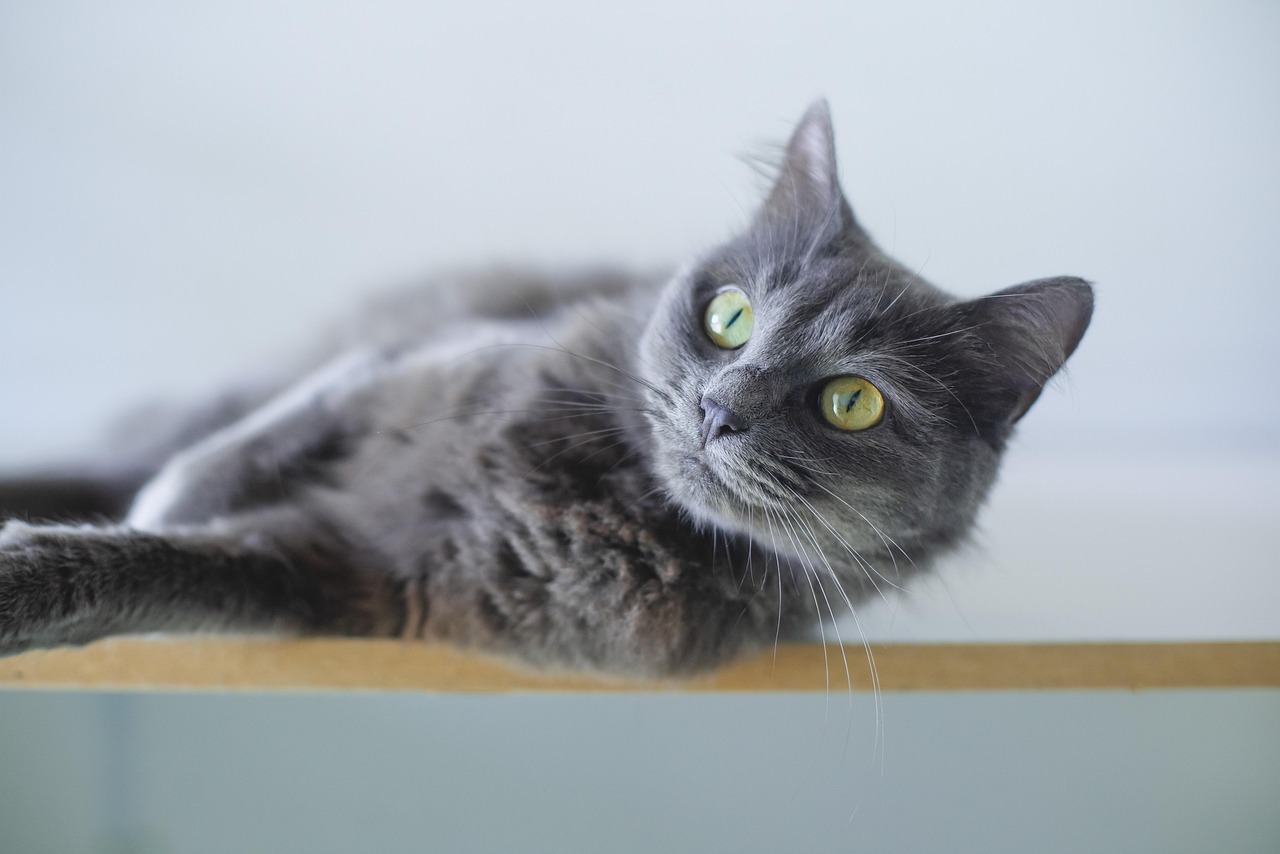

Role of Regular Grooming in Preventing Fungal Infections in Cats
Fungal infections can be a common health concern among cats, affecting their skin, fur, and overall well-being. These infections can lead to a variety of symptoms such as itching, irritation, and sometimes severe skin issues. One of the most effective ways to combat these infections is through regular grooming. By maintaining a clean coat and skin, pet owners can help reduce the risk of fungal spores taking hold. Grooming allows for the removal of loose fur, dirt, and debris, which helps minimize the environment in which fungi thrive. Moreover, it facilitates early detection of any abnormalities, allowing for prompt intervention. The importance of using appropriate grooming tools cannot be understated; brushes and combs designed for cats can aid in efficient fur management while ensuring comfort. Regular grooming sessions can also foster a stronger bond between pet and owner, making them an enjoyable routine. Establishing this practice early on in a cat’s life can contribute significantly to both physical health and emotional well-being, leading to a happier and healthier feline companion. Ultimately, regular grooming is a simple yet essential aspect of responsible cat ownership.
Fungal infections in cats can result from various sources, including environmental factors, parasites, and a compromised immune system. Several types of fungi can be responsible for these infections, with dermatophytes being a primary culprit. For instance, Microsporum canis is notorious for causing ringworm, a condition that can easily spread through contact or contaminated surfaces. Understanding these factors further emphasizes the importance of preventive measures such as grooming. It is advisable to create a regular brushing schedule, ideally once or twice a week, to maintain optimal coat health. Additionally, bathing with antifungal shampoos can serve as an extra shield against fungal infections. However, excessive bathing should be avoided as it may strip natural oils, leading to further skin issues. Always monitor your cat’s skin and fur for unusual changes, including red patches or excessive scratching, and consult a veterinarian for guidance. They can offer personalized advice based on your cat’s specific needs. Keeping your home clean also plays a vital role, as fungal spores can linger in the environment. Regularly wash bedding, toys, and any fabric your cat frequently interacts with.
Recognizing Symptoms of Fungal Infections
Detecting a fungal infection early can significantly impact your cat’s recovery and well-being. Common symptoms include noticeably itchy patches, hair loss, and flaky skin. Infected cats may also experience changes in behavior, such as increased irritability or excessive grooming in specific areas. Observing your cat closely during grooming sessions can help you identify any irregularities; you may notice red spots, swelling, or unusual odors emanating from the affected areas. A cat may also show signs of discomfort when you touch the infected region. In such instances, contacting a veterinarian is advisable for a proper diagnosis. They may recommend skin scrapings or cultures to confirm the presence of fungal infections. Timely intervention is crucial, as untreated infections can lead to more significant health complications, affecting not only the affected cat but potentially other pets and humans within the household. Keep in mind that some fungi can be zoonotic, meaning they can spread from animals to humans, making vigilance essential. By combining grooming practices with awareness of potential symptoms, you ensure faster responses and a better health outlook for your beloved feline.
Aside from regular grooming, several lifestyle adjustments can further minimize the risk of fungal infections in cats. Providing a stress-free environment is essential for maintaining a healthy immune system. Felines are naturally sensitive creatures, and high levels of stress can predispose them to various ailments, including fungal infections. Strong bonds through interaction, play, and comfortable resting areas contribute positively to a cat’s emotional state. Additionally, improving dietary quality can help fortify the immune system. Feed your cat a balanced diet rich in nutrients, vitamins, and minerals, particularly focusing on those that boost immune health like omega fatty acids and antioxidants. As an option, consult your veterinarian for specific dietary recommendations tailored to your cat’s needs. Vaccinations and regular health checks are also important in identifying underlying health issues early on, ensuring that your feline remains robust against threats. Also, avoid overcrowding and maintain a clean living space, as these conditions encourage fungal growth. Taking these steps in tandem with regular grooming can significantly diminish the likelihood of contracting fungal infections, contributing to a happier, healthier life for your cat.
Fungal Infection Prevention Tips
Integrated strategies can optimize your cat’s protection against fungal infections. Start by employing grooming tools specifically designed for cats, ensuring they are appropriate for your cat’s fur type. Using various tools such as slicker brushes, combs, and grooming gloves can ensure an effective grooming session. Moreover, cleansing grooming tools after each use is crucial. This practice helps eliminate any fungal spores that may linger on brushes or combs, preventing cross-contamination. When grooming, also consider the following tips to keep your cat safe from fungal exposure: always inspect your cat’s paws and underbelly, areas where fungal spores may hide. Additionally, keep your grooming area clean and dry. Regularly changing the bedding and litter can further reduce fungal spore exposure. Always consult with your veterinarian about any supplements that could bolster your cat’s immune system, especially for older or stressed cats. With diligent grooming and attention to detail, you can significantly lower the chances of fungal infections taking hold in your feline companion. Ultimately, these preventive measures can lead to a happier, healthier cat while strengthening your bond.
Understanding the unique health needs of your cat can further improve their quality of life regarding fungal infections. Cats with existing health issues or those undergoing stress may require more diligent attention to grooming and environmental conditions. Regular veterinary visits can identify any predispositions to fungal infections due to underlying health issues. Your vet may suggest specialized grooming routines or discuss additional preventive measures if your cat has had a history of fungal infections. Pay extra attention to breed-specific traits, as some breeds may be more susceptible to skin conditions, including fungal infections. Long-haired cats may benefit significantly from more frequent grooming, as their dense fur can trap moisture and debris. Moreover, it would be best to consider maintaining a stable environment, reducing the number of potential stressors. Also, ensure that your home remains well-ventilated, as stale air can create favorable conditions for fungal growth. By paying attention to your cat’s health and grooming needs, you can create a customized care plan that minimizes the risk of fungal infections while fostering a warm bond with your furry friend. Preventive healthcare is an indispensable part of being a responsible pet owner.
The Importance of Education for Cat Owners
Educational resources provide invaluable knowledge for cat owners about fungal infections and preventive measures. Familiarizing oneself with the various types of fungal infections, symptoms, and treatment options empowers pet owners to take proactive measures. Many online platforms and veterinary resources offer comprehensive articles, videos, and guidelines tailored for feline health issues. Joining local or online cat owner communities can also offer support and access to shared experiences and tips from fellow cat lovers. Through this community engagement, owners can learn about the latest research and veterinary practices regarding feline care. Additionally, getting involved in workshops or informational sessions can enhance understanding and awareness of cat health issues, including fungal infections. Regularly attending veterinary check-ups ensures that owners receive professional advice catered to their specific cat’s needs. Documenting grooming schedules and observations can also track changes over time, allowing for better communication with veterinarians. Educating oneself significantly uplifts the standard of cat care, fostering a healthier and happier environment for feline companions. Ultimately, continuous learning is vital for maintaining your cat’s health and ensuring its happiness, making cat ownership a more fulfilling experience.
Regular grooming plays a pivotal role in preventing fungal infections in your feline companions. The act of grooming goes beyond simple aesthetics; it is a health necessity that helps keep your cat’s skin and coat in optimal condition. By incorporating practices such as monitoring their skin, using appropriate grooming tools, and providing a holistic care approach, pet owners can significantly reduce their cat’s risk of fungal infections. Understanding potential health risks allows for pre-emptive measures through regular grooming, which facilitates early detection and subsequent treatment of emerging infections. Additionally, creating a loving, stable environment and maintaining a good diet can augment your cat’s immune system, allowing it to better resist health threats. Thorough education and awareness will empower you as a cat owner, leading to informed and proactive care for your furry friend. Keep in mind that healthy grooming practices can enhance the bond between you and your pet while contributing to a more enjoyable experience. The combined efforts of routine grooming and education will result in fewer fungal health issues in cats, thus ensuring a longer, happier life for your feline companion.