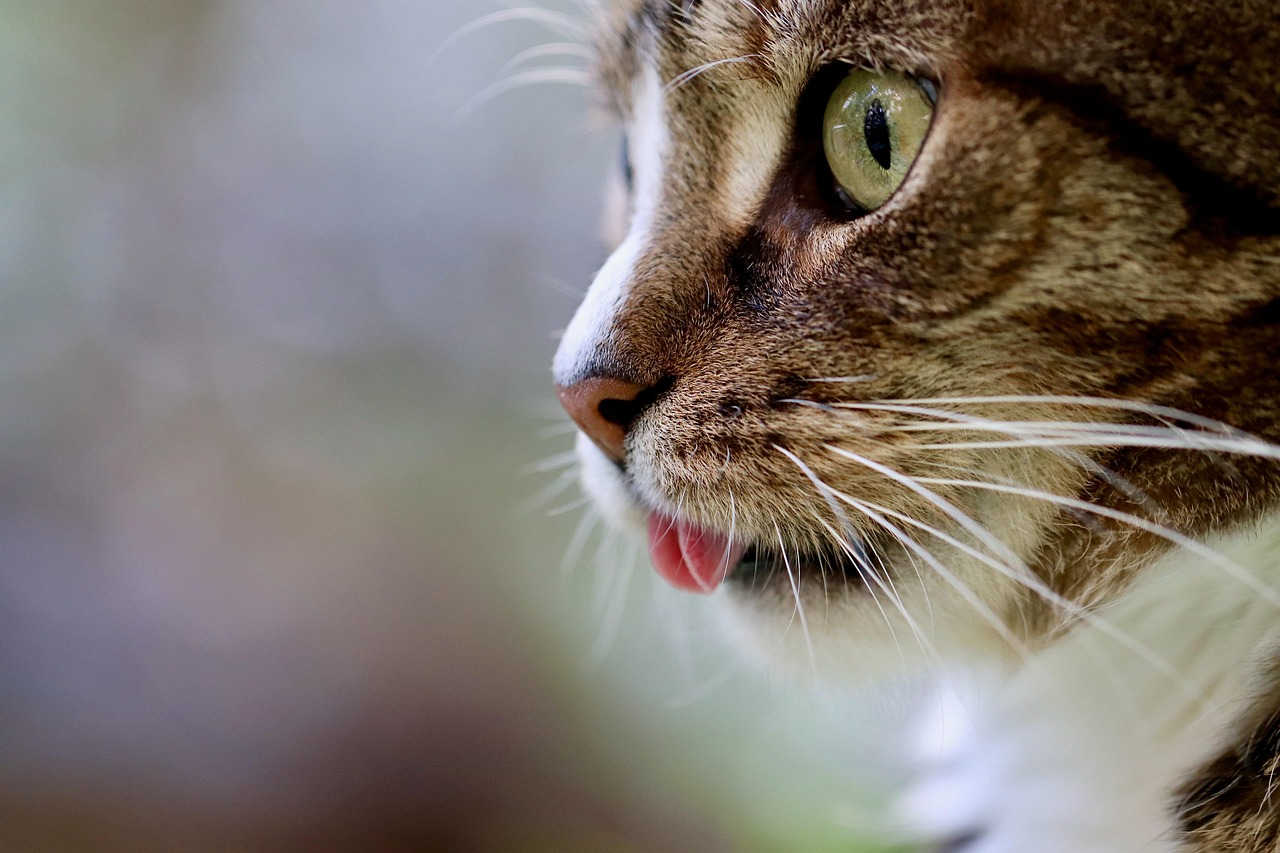

Best Training Techniques for Shy or Independent Cats
Training a cat to respond to its name can be particularly rewarding, especially for shy or independent felines. First, create a positive environment. Use treats that your cat loves and ensure training sessions take place in a quiet area. Begin by saying the cat’s name excitedly while showing the treat. When the cat approaches, reward it immediately. Consistency is crucial; use the same treat and voice every time. Over time, your cat will associate its name with good experiences. Patience is paramount; shyer cats may take longer to respond. Therefore, keep the training sessions short, around five to ten minutes, to maintain your cat’s interest. Repeating this process daily will enhance your chances of success. Alternatively, try using a clicker to provide immediate feedback when your cat responds to its name. Clickers can be effective tools, prompting a learning response from your cat. Cats thrive on routine, so establishing a specific training schedule can help them understand what to expect. Keeping training sessions fun ensures that your cat remains engaged in the process, ultimately leading to a better training outcome. Emphasizing the fun aspect may help improve participation.
Another effective technique involves using a variety of rewards beyond just treats. Cats often enjoy playtime with interactive toys, such as feather wands or laser pointers. Integrating these elements into training can motivate your feline friend. For instance, say the cat’s name, and if it responds, engage it with a toy. Over time, your cat will learn the connection between its name and good times, fostering a stronger bond. Additionally, don’t forget that vocal tones can significantly influence your cat’s response. Use a cheerful tone when calling your cat, as a friendly, inviting voice is more appealing. Conversely, avoid using a stern voice, which can make your cat more anxious or hesitant to respond. Remember to remain calm and avoid showing frustration during these sessions. Celebrating small victories enriches the training process and stimulates your relationship. Remember that each cat is unique, and some may require a longer adjustment period. Observe your cat’s body language for signs of comfort or distress, and adjust your techniques accordingly. Training can be a journey of discovery, revealing your cat’s personality and fostering deeper understanding.
Utilizing Positive Reinforcement Techniques
Positive reinforcement remains the cornerstone of effective cat training. It’s essential to reward your cat when it responds to its name, whether through treats, praise, or playtime. This strategy reinforces the behavior you desire—responding to its name. Ensure rewards are given immediately after the desired behavior. For example, if your cat looks at you when you call its name, reward it right away with a treat or praise. This swift feedback helps your cat associate its name with positive outcomes quicker. Experimenting with treat types can enhance training effectiveness. Some cats prefer crunchy treats, while others favor softer options. By finding what excites your cat most, you increase the chances of responsiveness. Consistency in your training approach is paramount; always use the same name and tone to reinforce its importance. When cats feel they can trust their owners, they’re more likely to engage. Training should feel like a game, not a chore. Be enthusiastic and keep your tone upbeat. This will make a huge difference in your cat’s willingness to participate, ultimately leading to a more positive response and a stronger connection.
Timing plays a crucial role in reinforcing the training process effectively. Whenever your cat responds to its name, timing your response correctly maximizes success. Your initial response must be within seconds to create a direct connection between the action and reward. Use a timer if necessary to maintain short training sessions. Repetition helps and strengthens recognition of its name in different contexts. While offering treats, gradually decrease their availability to challenge your cat further; this encourages it to respond without relying solely on rewards. Pay attention to your cat’s behaviors, observing how it reacts over time. Cats may show different forms of acknowledgment when learning, whether through ear movements or gaze shifts. Tracking these signs allows for tailored approaches. Employ patience throughout this process, especially for independent or shy cats. Ensure that the environment remains calm during training to lessen distractions, promoting focus. If they appear reluctant, backing off slightly can help. This makes them more open to returning to the session later on. Ultimately, patience and love combined with these techniques create a trusting atmosphere for your shy or independent cat to thrive.
Creating a Routine for Training
Establishing a consistent routine can also significantly aid in training your cat to respond to its name. Cats are creatures of habit, and regularity can foster comfort. Start by scheduling training sessions around the same time daily to help your cat understand what to expect. Integrating short training intervals into your daily activities will make learning manageable and enjoyable. For example, calling your cat’s name before feeding or during playtime reinforces the connection. Consistency not only builds recognition but also strengthens the bond you share. Additionally, consider maintaining a training journal to track progress. Jotting down how your cat responds allows for better assessment over time. This focus on specifics can improve training tactics depending on responses. Time spent observing can be beneficial, allowing you to see how your cat reacts to different techniques. Adjusting strategies based on what seems to work creates a more efficient training process. Celebrate small successes documented in your training log, as this reinforces both your commitment and your cat’s progress. By fostering a routine, you’re not just teaching a name but cultivating a more interactive and enjoyable relationship.
Distractions can significantly impact training success, particularly for shy or independent cats. It’s imperative to conduct training in a controlled environment where external stimuli are minimized. Ideal locations might be smaller rooms with fewer distractions or quiet corners in your home. Reduce background noise, such as loud televisions or other pets, to help your cat focus solely on you and the training session. Gradually introducing new experiences can also enhance your cat’s adaptability and responsiveness. Taking training lessons outdoors or in different rooms can help generalize the behavior being taught. Initially, keeping these sessions short can help set your cat up for success and reduce overstimulation. If distractions occur, make sure to redirect their attention back to the task at hand. This might involve using a favorite toy or additional motivation to refocus your cat’s energy. Regularly varying the location of training sessions will also prevent monotony from setting in. Enhancing engagement through diverse environments can keep your cat interested. Ultimately, reducing distractions, ensuring a calm atmosphere, and maintaining variety promotes a successful training experience aimed at developing a strong relationship.
Finally, remember that each cat is unique, with its personality and pace for learning. If initial methods do not yield results, avoid giving up. It’s vital to stay patient throughout the journey. Adjust your strategies according to your cat’s behavior, as some may take longer than others to respond to their names. Building trust is integral, which involves respecting your cat’s boundaries. If it appears overwhelmed, consider taking a break or altering the approach. Experimenting with various techniques can be enriching for both owner and pet. For instance, incorporate different call methods, such as using a soft whistle or clapping, to see what provokes a response. As you progress, you can introduce more complex commands related to their names. Establishing a supportive and stimulating environment fosters quicker learning. Always celebrate achievements, no matter how small, as they contribute to a positive experience for both you and your cat. Ultimately, the goal is not only to teach your cat its name but to cultivate an enduring bond built on trust, respect, and understanding. Keep these techniques in mind to ensure a holistic approach to training.