
Breeding Russian Blue Cats: A Beginner’s Guide
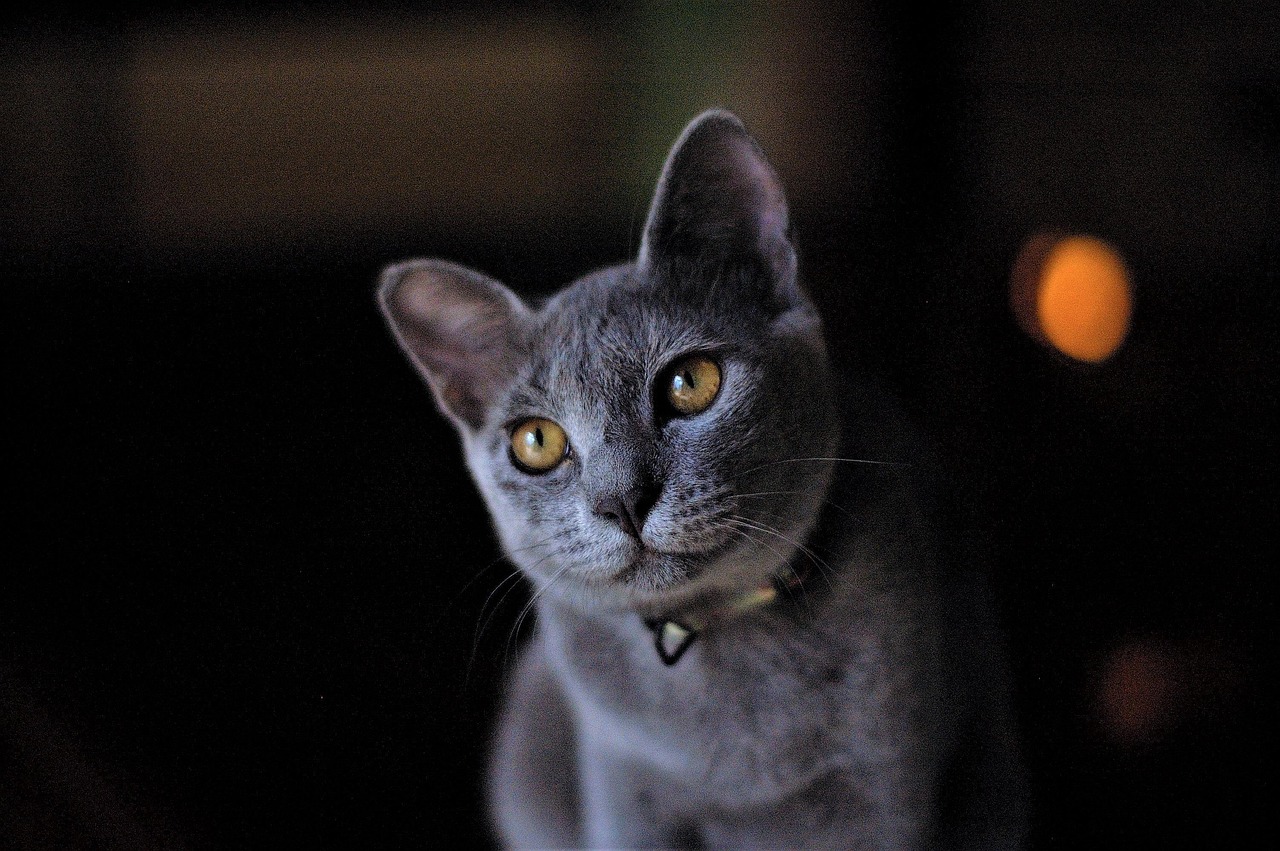
Breeding Russian Blue cats is a rewarding endeavor, suitable for both experienced breeders and novices alike. Understanding their unique traits is crucial. First, Russian Blues are renowned for their plush, dense coat that appears silver-blue. This coloration arises from a genetic mutation, making them both beautiful and sought after. Their eyes glow a striking green, adding to their charm. Additionally, these cats are known for their gentle temperament. This breed often forms strong bonds with their owners, enhancing the breeding experience. To become a successful breeder, you should familiarize yourself with their genetic background and potential diseases. Being proactive helps maintain healthy breeding practices. Proper care is vital, including vaccinations and a balanced diet. Moreover, it’s essential to create an environment that encourages socialization, as Russian Blues thrive in nurturing atmospheres. Regular interaction and stimulation ensure they develop the confident and affectionate personality for which they are loved. In summary, breeding Russian Blue cats encompasses responsibility, commitment, and a genuine love for the breed, making it an exciting journey into feline care and companionship.
Choosing the Right Breeding Pair
Choosing the right breeding pair of Russian Blue cats is essential for ensuring quality and health in your kittens. Start by assessing the pedigree and lineage of both cats. Each cat should exhibit the breed’s signature traits, such as their vibrant coat color and eye color. Additionally, both cats should have comprehensive health screenings. Look for genetic diseases that can affect Russian Blues, such as hypertrophic cardiomyopathy. Checking for these conditions is crucial, as a healthy breeding pair contributes to healthy offspring. Moreover, consider the demeanor and personality of the cats. A calm and affectionate pair often produces balanced kittens. It’s also beneficial to observe how they interact with each other. Positive interactions can signify compatibility, which is important for harmonious breeding. Keep in mind the age of thecats; ideally, they should be between two to five years old for breeding to ensure vitality. Lastly, environmental factors also play a role. Ensure that your breeding space is clean, comfortable, and free of stressors, as this promotes a healthy breeding experience for both cats and their kittens.
Once you have selected your breeding pair, preparation for the mating process is the next crucial step. Introduce both cats gradually to ensure they are comfortable with each other in a neutral space. Monitor their behavior closely; positive interactions can indicate readiness. When both are receptive, monitor mating attempts, as Russian Blues do not have a specific breeding season. If successful, pregnancy typically lasts about 63 to 65 days. During this time, nutrition becomes increasingly important. Provide high-quality food, rich in essential nutrients to support the health of the mother and the developing kittens. Regular veterinary visits during gestation are vital for checking the mother’s health. Additionally, prepare a comfortable whelping area for her when she approaches her due date, ensuring it’s quiet and secure. After delivery, provide her and her kittens with a stress-free environment. Socialization should begin early for the kittens, introducing them to a variety of stimuli. This will promote balanced behavior as they grow, facilitating their adjustment to new homes once they’re ready for adoption. Planning and proper care throughout this period are essential for a successful breeding experience.
Caring for Pregnant and Nursing Cats
Caring for pregnant and nursing Russian Blue cats requires attention to their dietary and emotional needs. A nourishing diet is paramount during pregnancy; a premium quality cat food that caters to pregnant or nursing mothers is advised. This diet will supply the vital vitamins and minerals essential for the mother cat and her kittens. In addition to high-quality food, fresh water must always be available. As the pregnancy progresses, monitor the mother’s weight and energy levels, paying attention to any unusual behaviors. Establishing a tranquil and secure space is crucial; suitable places can greatly influence her stress levels. Once the kittens are born, assist the mother as needed, especially if she appears overwhelmed. Encourage regular nursing, as it provides essential nutrients critical for kitten development. Ensure the mother cat remains hydrated and well-fed. Socialization should also begin within a few weeks of birth; handle the kittens gently to foster familiarity with humans. This nurturing environment will not only benefit the kittens’ growth but also strengthen the bond between the mother and her offspring, resulting in a healthier well-adjusted litter.
As your kittens grow, tracking their growth and health is essential. Regularly weigh them to ensure they are gaining optimal weight and monitor their development milestones. By three weeks, they should open their eyes and start walking. This phase is exciting, as you will witness their developing personalities. Begin introducing wet food around four weeks of age; this encourages proper eating habits and transition to solid food. Additionally, expose them to various stimuli within their environment, such as toys and sounds, to aid in their social development. Interaction with people and other pets should be gradual and positive, facilitating their acclimatization to different conditions. During this formative stage, vaccinations will become necessary. Consult your veterinarian for a vaccination schedule to ensure each kitten receives essential vaccinations at the right times. Regular vet check-ups will keep an eye on their progress. Develop a record-based system to track vaccinations and general health, reinforcing responsible breeding practices. The well-being of your kittens is a direct reflection of your commitment as a breeder, and embracing these responsibilities will yield healthy, sociable cats ready for their forever homes.
Finding Homes for Your Kittens
Finding suitable homes for your Russian Blue kittens is one of the most rewarding aspects of breeding. Start by creating an adoption plan. Including criteria ensures that your kittens go to responsible owners capable of meeting their needs. These criteria may include age requirements, living conditions, and previous pet ownership. Networking with your local breed club or veterinarian can also help identify potential adopters passionate about the breed. Use online platforms, such as dedicated pet adoption websites and social media, to showcase your kittens, ensuring to share high-quality images and write engaging descriptions. This will attract prospective owners who will appreciate the unique traits of the Russian Blue. Consider conducting interviews and home visits with interested parties to gauge their suitability as potential owners. Be honest about the responsibilities that come with owning a cat, including regular veterinary care and nutritional requirements. Additionally, offer a written contract detailing the expectations for prospective owners. This protects both your kittens and their new families. Ensuring every kitten goes to a loving, knowledgeable home will help maintain the breed’s integrity and enhance its reputation within the feline community.
In summary, breeding Russian Blue cats is both a significant responsibility and an enriching experience. The process involves careful planning, research, and a commitment to the welfare of both the kittens and their parents. It begins with selecting the right breeding pair, followed by meticulous care during pregnancy and the crucial neonatal period. Once the kittens are born, attentive monitoring of their health and development is essential for raising healthy and sociable pets. Connecting with their future families requires vetting to ensure a good match, promoting the wellbeing of the breed. Continuous learning is also essential; attend seminars, read books, and connect with seasoned breeders within the community to expand your knowledge further. By actively participating in forums and discussions, you’ll stay informed about best practices in breeding. The effort and dedication you put into this journey will be reflected in the joyful companionship your kittens bring to their new homes. Take pride in the fact that you’re contributing positively to the Russian Blue breed, and enjoy the fulfillment that comes from nurturing these lovely feline companions for generations to come.