
Building a Strong Bond with Your Puppy Through Training
Welcoming a puppy into your home is an exciting adventure filled with joy and challenges. Proper training is essential for establishing a positive relationship with your new furry friend. Start with the basics: creating a comfortable environment. Make sure to set up a designated area for your puppy where they can feel safe. This space should include a cozy bed, toys for play, and some chewables for their cravings. Begin training sessions in short phases, typically around five to ten minutes long, allowing your puppy to absorb the information without getting overwhelmed. Reward them with treats or affection when they follow commands, reinforcing positive behavior. Establishing routines is crucial as well; regular feeding times, bathroom breaks, and play sessions help your puppy understand expectations. Additionally, be consistent with commands, using the same words and actions each time. This consistency builds upon their learning and ensures they understand what you expect. Lastly, exercise and socialization are equally important. Regular outings and playdates will help your puppy learn how to interact with other dogs and people, building confidence and trust over time.
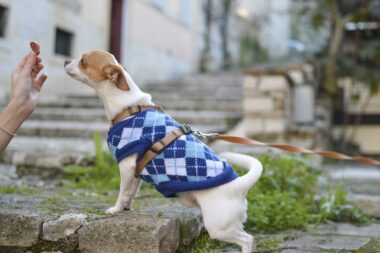
A crucial aspect of training your puppy is helping them understand basic commands. Begin with simple commands like ‘sit’ and ‘stay’, which lay the groundwork for discipline. To teach ‘sit’, hold a treat above their nose and slowly move it back over their head. As their head moves up, their bottom will lower. When they finally sit, reward them immediately. Such command helps reinforce obedience. The ‘stay’ command is vital for ensuring your pet remains in place even when distractions occur. Start by having them sit first, then slowly back away. If they hold their position, praise them and offer a reward. Remember, patience is key; some puppies may take longer to learn these basics. Once your puppy masters these commands, you can introduce more advanced skills like ‘come’, ‘down’, and even tricks like ‘shake’. Utilizing a clicker can also greatly enhance your training sessions; the click sound indicates a job well done, encouraging swift learning. Beyond verbal cues, ensure that you maintain a positive tone and body language. Keeping sessions fun and engaging will motivate your puppy and solidify your bond, ultimately leading to a well-behaved companion.
The Power of Positive Reinforcement
Positive reinforcement is a powerful training tool for puppies, as it encourages them to repeat desired behaviors. This technique involves rewarding your puppy with treats, praise, or playtime after they successfully follow a command or demonstrate good behavior. By associating positive experiences with specific actions, your puppy will be more inclined to repeat those actions in the future. Each time your puppy does something right, reinforce the behavior immediately so they can link the reward with their actions. Treats are often the most effective motivators, especially in early training. However, remember to choose healthy treats to avoid overfeeding. Incorporating variety in rewards, like verbal praise or affection, can also help keep the training engaging and enjoyable. Additionally, it is essential to avoid punishment, as it may create anxiety and lead to undesired behaviors. Instead, redirect negative actions by offering alternatives. For example, when your puppy chews on furniture, provide them with a toy instead. Positive reinforcement fosters trust and strengthens the bond between you and your puppy, making training a more enjoyable experience for both parties.
An integral part of puppy training is socialization, which is crucial for developing well-rounded dogs. Socializing your puppy entails exposing them to a variety of people, environments, and other animals. Starting this process early, ideally between 3 and 14 weeks, allows your puppy to absorb new experiences without fear. Plan puppy parties to invite friends and their dogs over, giving your puppy the chance to interact with others. Going for walks in different settings and visiting pet-friendly places introduce them to new sights and sounds. You should ensure these experiences are positive by praising them for calm behavior or providing treats. This approach will help minimize future behavioral issues like aggression or fearfulness. However, monitor interactions closely to avoid overwhelming your puppy. If they show signs of stress or fear, remove them from the situation to prevent negative associations. Ensure experiences remain safe, as negative exposure can have lasting effects. By prioritizing socialization, you effectively set your puppy up for success, enabling them to thrive in various settings and situations as they grow into adulthood.
Understanding Your Puppy’s Needs
Understanding your puppy’s needs is essential to their training and overall well-being. Recognize that puppies are active and inquisitive creatures, requiring physical and mental stimulation. Regular exercise plays a vital role in their development, alleviating pent-up energy that may lead to misbehavior. Taking your puppy for daily walks, engaging in interactive play sessions, and providing opportunities for off-leash play in safe environments are effective ways to fulfill their exercise needs. Additionally, mental stimulation through puzzle toys or training games helps keep their minds engaged while building problem-solving skills. Puppies thrive on routine; having consistent feeding, exercise, and play schedules fosters stability in their lives. Alongside physical and mental needs, consider their social and emotional needs as well. Allow them quality time with you and your family to build secure attachments. Furthermore, don’t overlook grooming and health care, as neglected hygiene can lead to health issues. Providing basic grooming routines early on will help your puppy feel comfortable and accustomed to being handled. Prioritizing your puppy’s needs ensures they remain happy, healthy, and well-trained, leading to a fulfilling life together.
The importance of patience cannot be understated in the journey of puppy training. Each dog is unique, possessing varying levels of intelligence and learning capabilities. Understand that some puppies will learn quickly while others may take more time to fully grasp commands. Embrace the fact that mistakes happen, both from the owner and the puppy, requiring a calm and patient approach. When your puppy does not follow a command, instead of showing frustration, rephrase your request or try a different method. Staying mindful of your tone is equally crucial; a harsh tone can instill fear instead of encouraging learning. Additionally, celebrating small victories, no matter how minor, promotes a positive atmosphere. If your puppy successfully performs a command after several attempts, reward them immediately to reinforce learning. Introduce new commands only when your puppy shows confidence with current ones. Remember, gradual progress is a sign of a successful training journey. The strong bond created through patience, understanding, and consistent perseverance will ultimately result in a loyal and well-mannered canine companion.
Long-term Commitment to Training
Puppy training is not a short-term endeavor; it requires ongoing commitment to establish a well-trained dog. As your puppy matures, their training must evolve to meet new challenges. Continue reinforcing established commands while introducing advanced training techniques, such as agility courses or scent detection exercises, which can be enjoyable for both of you. Regular attendance at obedience classes is also beneficial in offering structure and guidance. Moreover, always be open to learning; researching new training methods or speaking with professional trainers can provide fresh insights. Ensure that training remains an engaging process by incorporating fun activities and games alongside the conventional training. Consistency in reinforcing behaviors as your puppy grows is essential in preventing regression. Remember that puppies may forget commands and behaviors without regular practice, so incorporate training into your daily routine. Frequent practice not only sharpens their skills but also nurtures the bond between you. By committing to long-term training, you provide your puppy with the tools they need to become a well-balanced, happy adult dog, enhancing your life and theirs for years to come.
In conclusion, building a strong bond with your puppy through training is a rewarding journey that emphasizes patience, consistency, and positive reinforcement. A well-trained puppy leads to a well-adjusted adult dog, which is a joy to have as a companion. Prioritize the basics and gradually work your way to advanced techniques, ensuring your puppy feels secure and loved in the process. Always remember that training should be an enjoyable experience; use varied rewards, shorten sessions when necessary, and be prepared for setbacks. Implement a balanced approach that includes physical, mental, and social aspects, nurturing your puppy’s development holistically. As you establish a routine during training, celebrate each accomplishment, and foster an environment of trust and respect. Investing time in your puppy’s training is a significant investment in a long-lasting partnership filled with friendship. The love and loyalty shown by a trained dog can deeply enrich your life. Finally, recognize that the effort you put into training will have lasting impacts on your puppy’s behavior and personality. Enjoy this journey together; your bond will strengthen as you overcome challenges and celebrate successes side by side.