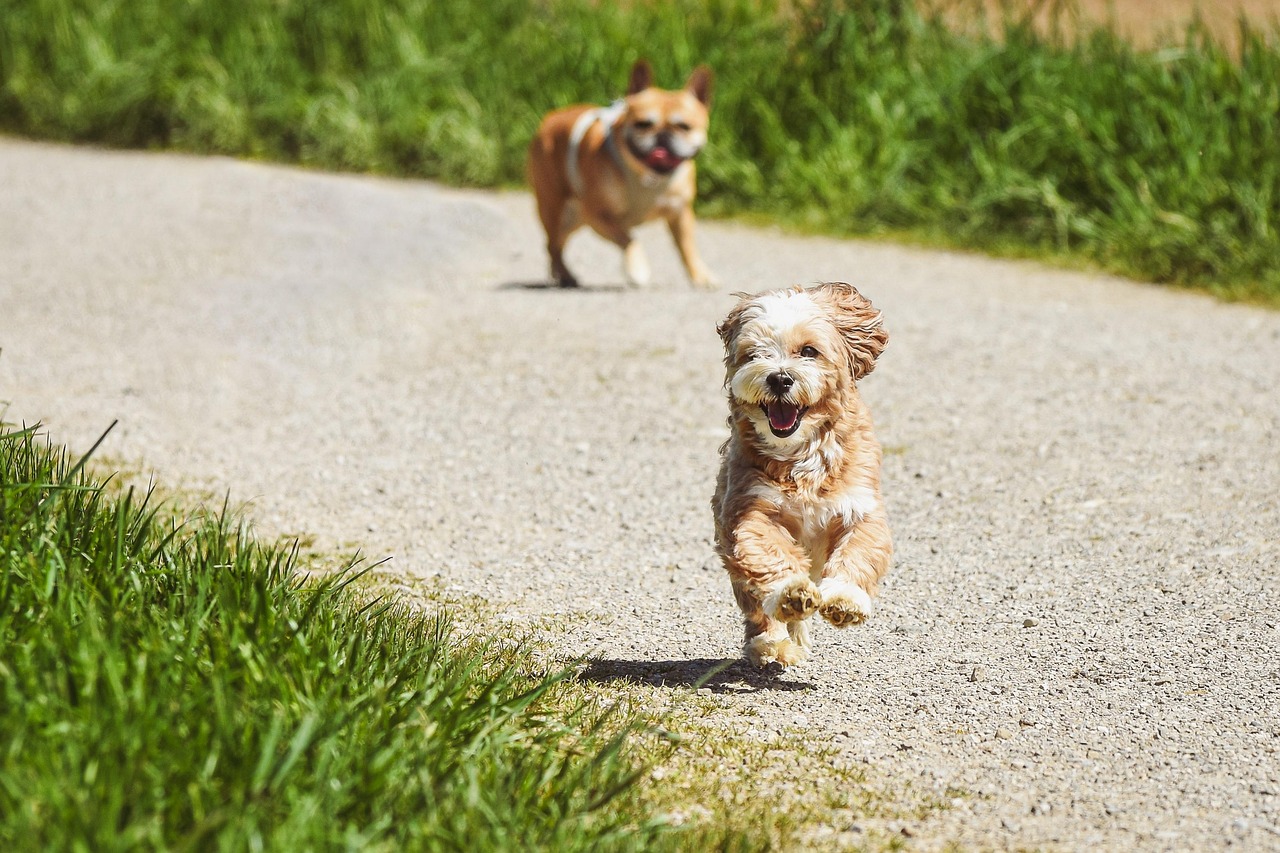

Can Exercise Assist in Reducing Plaque Buildup in Dogs?
Regular exercise plays a pivotal role in maintaining your dog’s overall health. Not only does it benefit their physical condition, but it also aids in oral hygiene. When dogs engage in activities, their bodies become more efficient at various functions, including digestion and metabolism. The vigorous activities encourage adequate blood circulation, enabling the immune system to help reduce infections, which may otherwise lead to dental issues. Increased movement facilitates better oxygen flow, which may significantly benefit your dog’s gums. Since plaque buildup often goes unnoticed, knowing how exercise correlates with preventive care is crucial. As dogs move, the increased saliva flow produced during exercise can help wash away food particles and bacteria stuck on teeth. Furthermore, fresh air and natural stimulants motivate pets to chew and engage their teeth in ways that chewing toys alone may not simulate. As a result, physical activity becomes a natural defense against plaque formation. However, with a diverse range of exercises available, dog owners need to select those that effectively combine fun with oral health benefits for their pets. Hence, engaging regularly in effective fulfilling activities is essential.
The Importance of Oral Hygiene for Dogs
Maintaining oral hygiene is vital for dogs, overlooking this can lead to dire health consequences. Excessive plaque buildup transforms into tartar, creating barriers to gum health, potentially leading to periodontal disease. Regular exercise can serve as a supplement to standard dental care routines. Engaging dogs in rigorous activity promotes their overall wellbeing, enhancing their general health while contributing to less plaque accumulation. For instance, playing fetch or walking can stimulate the dog’s metabolism, encouraging them to chew and enjoy the process, which aids in oral hygiene. Additionally, healthy gums are essential for overall health, as bacteria from infected gums can enter the bloodstream, affecting major organs such as the heart. Exercise reduces the likelihood of obesity, a condition that exacerbates various health issues, including those affecting oral hygiene. Moreover, combining exercise with dental treats can maximize these benefits, as many dental chews are designed to help mechanically remove plaque while providing an essential source of calories and nutrients. Owners should prioritize this holistic approach to ensure their dog enjoys a longer, healthier life, thus underscoring the significant need for comprehensive dental care practices alongside engaging physical activities.
Exercise routines tailored to your dog’s age, breed, and health status can optimize oral hygiene. Active dogs tend to experience lower plaque buildup than those leading sedentary lives. However, it is essential to create a balanced approach, as too much exercise may lead to fatigue or stress. Activities such as brisk walking, running, or biking together can help keep your dog’s weight in check while also promoting better dental health. Interactive play sessions where dogs can run and jump encourage better dental health through more frequent chewing and licking. In addition, selecting appropriate toys can promote dental care while keeping your dog actively engaged. Many toys are specifically designed to aid oral health by encouraging chewing, thus naturally scraping plaque from teeth. Furthermore, engaging in social activities such as dog parks allows for healthy interactions that encourage pets to stay active while enhancing their happiness and reducing anxiety. Ultimately, a blend of focused exercise and dental care practices leads to improved health outcomes, fostering not just a lively pet but also one with better oral hygiene. Hence, dog owners must blend appropriate exercise with responsible dental care for optimal outcomes.
Types of Exercises Beneficial for Dental Health
Several types of exercises can benefit a dog’s dental health while simultaneously providing them with a fun experience. Activities such as agility training enhance physical fitness and stimulate their cognitive abilities. Fetch not only serves as a great exercise option but also encourages chewing, particularly when utilizing dental-friendly balls. Engaging dogs in tug-of-war using special dental ropes promotes both physical effort and oral health benefits while bonding with their pets. Swimming is another low-impact activity, helping preserve joints while providing significant cardiovascular benefits. Furthermore, hiking exposes dogs to varied terrains, keeping their physical condition pristine without excessive stress. Such activities elevate their heart rates, increasing saliva production, thus aiding in reducing plaque formation. Moreover, different exercises can be rotated to keep schedules varied and exciting, ensuring your dog does not grow bored and maintains enthusiasm during workout sessions. The mental stimulation gained through these exercises also promotes better behavior overall, as dogs are less likely to engage in destructive behaviors while properly exercised. Hence, a blend of engaging activities contributes to your canine’s dental benefits alongside their physical health.
Incorporating dental care products alongside exercise can significantly enhance a dog’s oral health. Many pet owners overlook the significance of dental care products like specialized toothpaste, mouthwashes, and water additives while focusing solely on exercise. While the latter is essential, it is crucial to understand that utilizing veterinarian-approved oral care products complements and intensifies the benefits gained through regular exercise. These products work effectively in targeting dental plate and reducing bacteria accumulation. Furthermore, owners can integrate dental chew toys or dental treats into exercise sessions to maximize benefits. For instance, after a vigorous exercise routine, offer your dog a treat that serves both as a reward and as an aid in minimizing plaque. It is also a good idea to develop a regular schedule of brushing your dog’s teeth professionally or at home to effectively complement regular exercise and product use. Consistency in exercising and using dental products ensures that your dog receives comprehensive dental care, essential to maintaining their overall health. Thus, pet parents should create a routine that incorporates all these elements to significantly improve their dog’s dental well-being.
Monitoring Oral Health
Regular monitoring of a dog’s oral health should become an essential practice for pet owners. Just like exercise requires time and commitment, so does maintaining optimal dental hygiene. Engaging in regular check-ups with a veterinarian allows pet owners to assess the buildup of plaque and tartar accurately. Owners must learn to identify the signs of gum disease, such as redness, swelling, or bad breath, enabling early intervention. Also, performing at-home checks can help assess your dog’s dental condition regularly. Regular brushing should not be overlooked; it effectively removes plaque, making it less likely to harden into tartar. By forming healthy habits early, pet owners can inculcate a routine that combines exercise with oral hygiene practices, fostering a conducive environment for their pets. Furthermore, tracking their dog’s health using a pet journal or app can help spot issues as they arise. This comprehensive monitoring process goes a long way towards safeguarding your dog’s dental health. Dog owners should always remain proactive in this regard to ensure long-term health and reduced chances of dental disease, supporting your canine companion in leading a happy and active life.
As the relationship between exercise and dental health becomes more evident, dog owners are encouraged to prioritize both elements for their pet’s well-being. Simple changes in a dog’s daily routine can translate into significant health benefits. Owners need to understand that incorporating exercise is just one of the many measures that can promote good dental hygiene. Regular veterinary check-ups should be scheduled, alongside consistent exercise, to monitor overall health adequately. Exercise should be balanced with time to give attention to the dog’s teeth. Engaging them in various activities will prevent boredom while ensuring they remain physically fit. Chewing toys and dental treats should be strategically incorporated into their routine, as they are designed to enhance dental benefits. With the right combination of physical engagement, good nutrition, and regular veterinary attention, pet owners can effectively help reduce plaque accumulation. Therefore, the message is clear: exercise can significantly assist in maintaining dental health. By prioritizing such practices, dogs can enjoy happier, healthier lives free from painful dental diseases, ultimately enhancing their quality of life.
As you develop a thorough understanding of the connection between exercise and dental health, it becomes apparent that each element only serves to enhance the other. Therefore, owners should do their due diligence in crafting the best routine possible for their canine companions. In doing this, dog owners will need to assess the type of exercise suitable for their pet’s age and physical condition. To educate themselves, owners may wish to consult with veterinarians or canine fitness experts who can provide tailored guidelines on exercise and oral health. Engaging in group classes or social outings can motivate dogs to stay active while also giving the chance to enrich social skills. Also, understanding how diet impacts both overall health and dental hygiene is vital. Treats high in sugar should be avoided as they increase plaque accumulation. Instead, opting for dental-friendly products that can be chewed while exercising is advisable. Lastly, pet owners should remember that a consistent combination of good dietary habits, physical exercise, and effective dental care practices will lead to optimal health. This well-rounded approach ensures dogs lead a more satisfying and less painful life.