
How Sniffing Helps Dogs Identify People and Places
Dogs possess an extraordinary sense of smell, allowing them to perceive the world in ways that humans simply cannot. Unlike humans, who have approximately six million olfactory receptors, dogs boast around 300 million. This significant difference means a dog’s brain is particularly adept at processing scents, delivering them detailed insights about their surrounding environment. Sniffing serves multiple purposes in a dog’s life, such as identifying individuals and determining their emotional states. In contrast to relying solely on visual cues, dogs utilize their keen sense of smell to recognize friends, strangers, and even their own family members. When your dog excitedly approaches someone, they may be detecting familiar scents, which triggers a sense of recognition and comfort. The structure of a dog’s nose enhances its ability to perform thermal and spatial analysis of smells, making them especially sensitive to even the slightest changes in odor. This remarkable sniffing ability not only facilitates social interactions among dogs and humans alike but also plays a substantial role in their day-to-day behavior and lifestyle management.
When a dog sniffs, they engage in an instinctual behavior that is vital for their understanding of their environment. The unique anatomy of the canine nose, which includes a specialized structure called the turbinates, allows them to process a multitude of scents easily. This complex olfactory system enables dogs to separate scents from background noise, giving them the ability to sniff out specific odors even in crowded areas. For example, search and rescue dogs utilize their capabilities to locate lost individuals effectively. They can discern smells on the wind and follow them to pinpoint locations with precision, showing just how powerful their sniffing behavior is. Dogs can also identify unique scents associated with people, like personal items that transmit an owner’s aroma. They can recognize familiar scents, even after extended periods apart, demonstrating loyalty and attachment. This behavior is not just a feast for their noses; it fuels their curiosity and captures their attention, allowing them to explore the world in a way that provides them with information and stimulation. The process of sniffing contributes to their overall well-being and happiness.
The Role of Social Interaction Through Sniffing
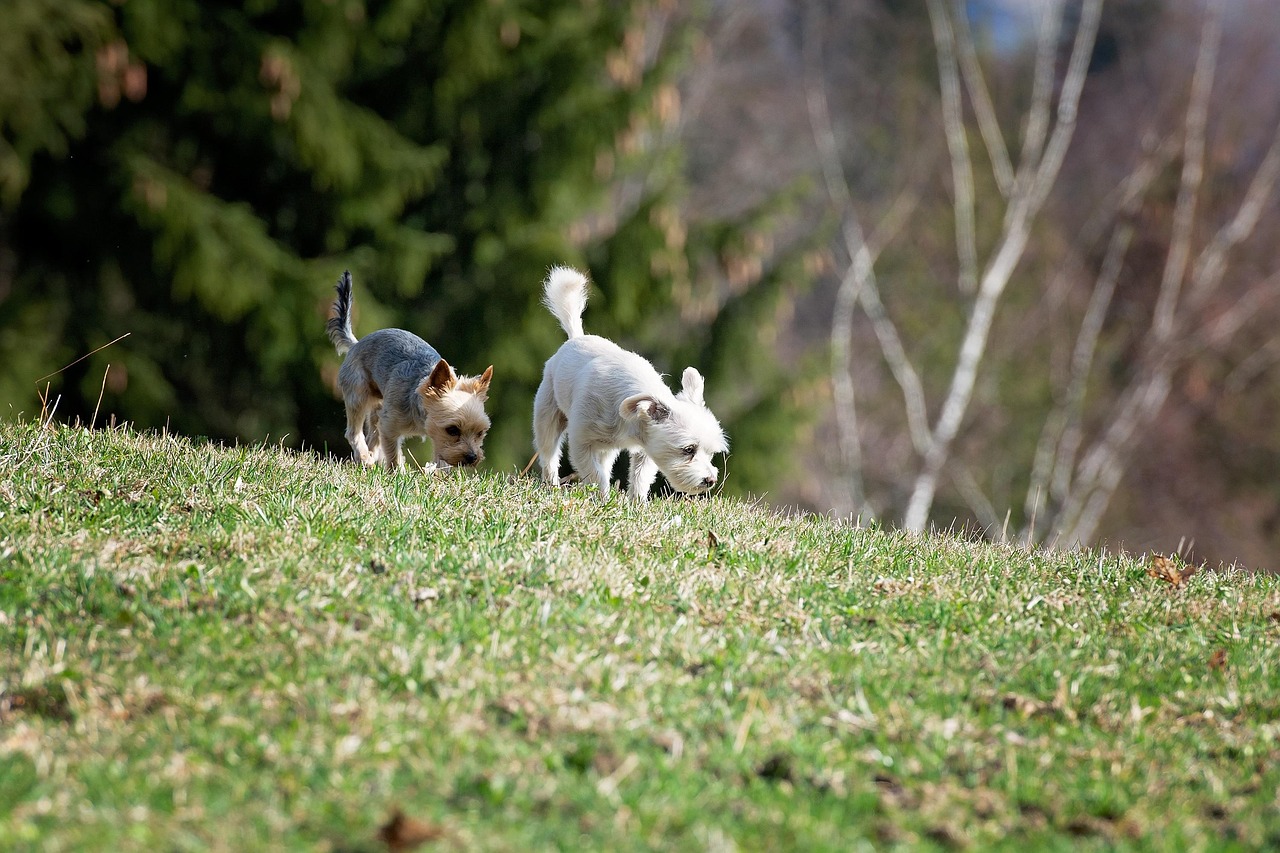
Dogs also engage in sniffing for social purposes, which is critical for interaction among canine companions. When two dogs meet, their natural inclination is to sniff each other’s rear ends. This behavior is not merely a quirky habit; it serves as an essential means for gathering information about one another. Through sniffing, dogs can determine each other’s age, gender, and even health status, all of which influence how they interact in a social setting. Additionally, this olfactory exchange can facilitate bonding and help in establishing hierarchies within groups. The scents collected provide a narrative about where the dog has been and what experiences they have had recently. Hence, the interaction often results in mutual recognition, leading to playful behaviors or calm acceptance. Importantly, observing how dogs sniff and interact can provide valuable insights into their temperament and social preferences. This social sniffing behavior highlights the importance of scent in canine communication, allowing dogs to assess potential friends or rivals in their surroundings.
Dogs exhibit individual variability in their sniffing behavior, which can be influenced by their breed, age, and prior experiences. For instance, some breeds, like Bloodhounds and Beagles, are renowned for their exceptional scent-tracking abilities. These breeds have been specifically developed and trained to engage in sniff-related activities, making them ideal for tasks such as search and rescue missions. Additionally, younger dogs may be more enthusiastic and frequent in their sniffing compared to older dogs, who might be selective in their explorations. This age-related behavior shifts as they mature, affecting how they interact with their environment and other dogs. Training can also play a role, with disciplined dogs learning to focus on specific tasks that require their sniffing capabilities. When trained properly, dogs can be taught to recognize specific scents, such as those from drugs or even medical conditions in humans. Through this specialized training, dogs can become valuable partners in various fields, including law enforcement and therapy, showcasing that sniffing is not only a natural behavior but also an essential skill cultivated through experience.
Health Implications of Sniffing in Dogs
While sniffing is inherently a part of a dog’s nature, it can also provide critical information regarding their health. Dogs are capable of detecting various health conditions in humans, showcasing their incredible olfactory prowess. Numerous studies have demonstrated that dogs can identify certain diseases such as diabetes, cancer, and even infections through smell alone. This capability opens the door for potential therapies that integrate dogs in medical practices. Their ability to recognize subtle scent changes can serve as a vital early detection tool for owners. Furthermore, excessive or compulsive sniffing can sometimes indicate underlying behavioral issues, including anxiety or stress. If a dog frequently sniffs excessively, it might be worth investigating their living conditions and emotional state. Providing them a safe, enriching environment can help mitigate these issues. Ultimately, it is essential for dog owners to observe their pets’ sniffing tendencies and be aware of any changes that might indicate health problems or discomfort. Regular engagement and interaction through various training techniques can boost their emotional well-being and mental health.
Understanding how sniffing facilitates dogs’ identification of their surroundings can profoundly enhance relationships between dogs and their owners. By recognizing the significance of sniffing, dog owners can cultivate a more empathetic perspective toward their pets’ needs and behaviors. Encouraging both structured and unstructured sniffing activities during walks can aid in ensuring dogs remain engaged and stimulated. Furthermore, incorporating games that require sniffing, like hide and seek with treats, can drastically enhance their daily routine while providing mental exercise. This enrichment also helps to develop their sense of purpose and reinforces the bond between the dog and owner. This awareness will lead to improved training outcomes, making dogs more attentive and responsive. Additionally, it strengthens their connection to their environment, reducing stress and anxiety during outings. Understanding the importance of sniffing and actively participating in these interactions enriches the dog’s life overall. Owners should aim to strike a balance between allowing freedom to explore and maintaining control, which leads to a harmonious walking experience and nurturing a meaningful relationship that thrives on mutual connection.
Conclusion: The Importance of Sniffing in a Dog’s Life
In conclusion, a dog’s sniffing behavior is multifaceted and serves many essential functions in their lives. From social interactions to identifying people and places, sniffing plays a crucial role in their overall experience. It fosters cognitive stimulation, enhances their emotional well-being, and strengthens the bond between dogs and their owners. Being aware of this instinctual behavior can help dog owners enhance their pet’s quality of life through positive experiences and training techniques. Encouraging a dog’s natural inclination to sniff can also lead to improved mental health and a more significant emotional connection. By integrating sniffing opportunities into their daily routines, owners foster environments that allow their pets to thrive. Recognizing sniffing as vital to their dog’s behavior empowers owners to support them throughout their lives. Through an emphasis on sniffing, we can contribute substantially to our canine companions’ happiness and health. This essential behavior not only facilitates better communication with each other but ultimately enriches the shared experience between dogs and their human families.
Sniffing is indeed an integral component of canine existence, shaping their interactions, addressing behavioral issues, and enhancing their overall well-being. Understanding the extraordinary capabilities behind a dog’s sniffing behavior inspires owners to appreciate their pets in new ways. Properly nurturing this instinct helps bolster cognitive and emotional development while creating a meaningful bond through shared experiences. The natural curiosity spurred by sniffing should not be stifled but rather channeled into positive activities that benefit both the dog and the owner. As we delve deeper into the world of our canine companions, we learn that a dog’s sense of smell is not merely a passive observation but an active part of their lives that shapes who they are. The importance of this sensory exploration highlights its necessity in both training and lifestyle enrichment opportunities. Given the incredible potential for sniffing behavior to serve many roles, recognizing its significance empowers dog owners to facilitate growth and happiness for their beloved pets in ways that promote a harmonious coexistence.