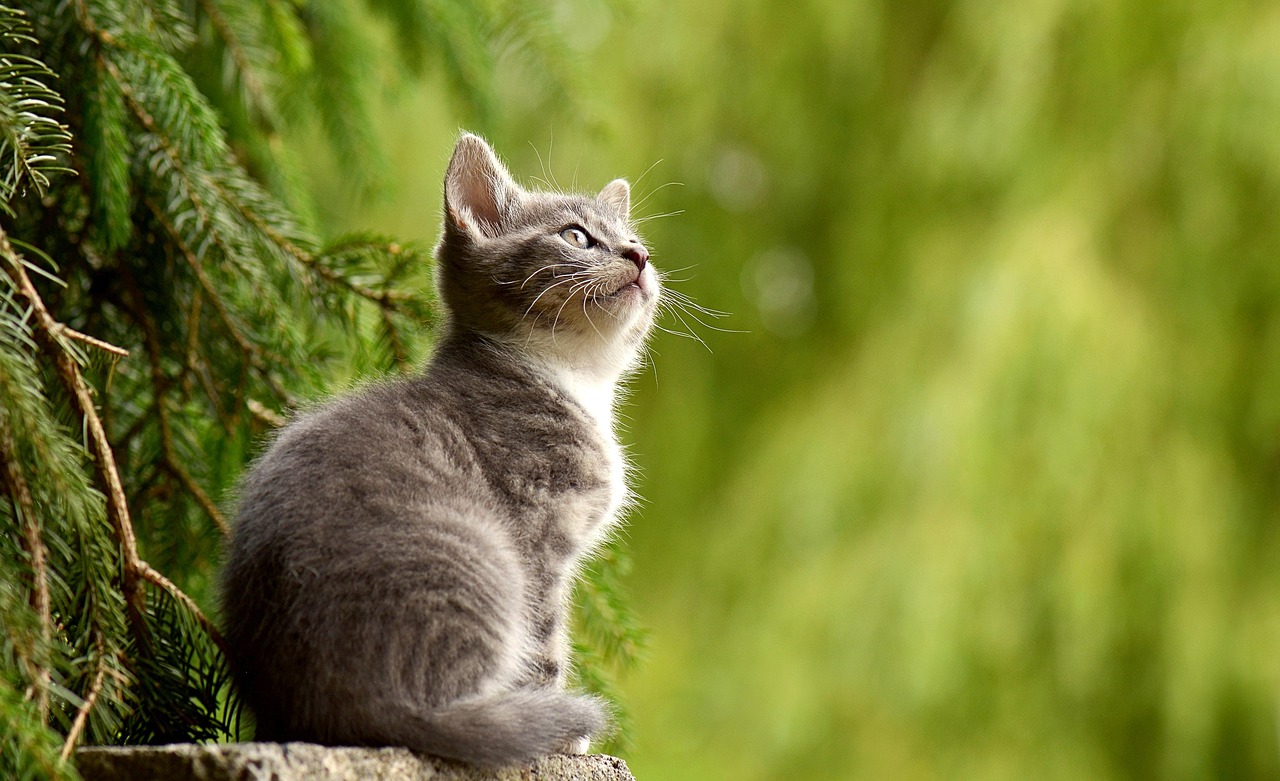

How to Socialize Kittens to Different Sounds and Stimuli
Socializing kittens involves introducing them to various sounds and stimuli to make them comfortable in diverse environments. Begin this journey by creating a safe space for your kitten. This space should be quiet and free from overwhelming distractions, allowing your kitten to explore sounds and new experiences gradually. Start with soft sounds, like gentle music or the ticking of a clock, at a low volume. Allow your kitten to investigate and respond in their own time, fostering an environment of trust. Consistently use treats to encourage positive associations, rewarding them when they display curiosity. As your kitten becomes more accustomed to calmer sounds, slowly increase the volume to expose them to normal household noise levels. Monitor their body language throughout this process, looking for signs of stress, such as flattened ears or hiding. Take breaks if needed, ensuring that your kitten feels secure. It is essential to maintain a routine during this process to help them adjust and accommodate to the variety of sounds they will encounter later in life. Patience and consistency are key factors in this socialization journey.
After acclimatizing your kitten to quieter sounds, you can move on to incorporating everyday household noises. For instance, gently introduce the sounds of kitchen appliances, such as the blender or vacuum cleaner, at a distant level. This exposure allows your kitten to become familiar with more common, louder noises they may experience in their surroundings. When introducing these sounds, maintain a relaxed attitude, using a soothing voice to reassure your kitten. In addition, ensure that each session lasts no more than ten to fifteen minutes, providing your kitten with opportunities to explore comfortably. As they adjust, gradually bring those sounds closer while monitoring their reactions. Pair these experiences with treats or playtime to help them associate the sounds with positivity. If at any time your kitten appears frightened or distressed, don’t hesitate to pause the exercise and return to quieter environments. As trust builds, so will their confidence to face various stimuli in life. This ability is vital for their long-term emotional health and behavior. Avoid forcing them directly into situations that overwhelm them emotionally, as this could lead to negative associations with normal sounds.
Using Toys to Enhance Sound Familiarization
Utilizing toys during sound exposure can greatly enhance the socialization process for kittens. Incorporate rattling toys or those that make crinkling sounds to capture their interest and attention. These toys serve as an excellent introduction to various noise levels while allowing playtime, creating a fun and engaging atmosphere. When your kitten shows interest, reward them with treats or positive reinforcement, reinforcing confidence when they encounter new sounds. Interactive play not only builds their confidence but strengthens your bond, making them feel safe and secure. Try combining these sounds with visual stimuli, such as moving toys or feather wands, to maximize engagement. Placing a few toys or treat items around the room while playing can help your kitten explore their environment and the related sounds. Ensure that playtime remains light-hearted and enjoyable; if your kitten appears overwhelmed at any time, return to quieter activities before proceeding. Observation is key—watch their responses to adapt the sounds and experiences. This approach is important in helping your kitten learn to navigate different stimuli while minimising their fear with creativity and positive experiences.
Incorporating outdoor sounds into your kitten’s socialization regimen is vital to prepare them for the real world. Begin by safely exposing them to these noises through open windows or screen doors, allowing them to hear birds chirping, dogs barking, or people talking. Capture their attention with treats or toys whenever a new sound occurs outside, building a positive connection with these sounds. As you progress, consider introducing your kitten to pre-recorded outdoor sounds. Resources such as pet socialization podcasts or YouTube videos specifically designed for kittens can be valuable. Choose gentle outdoor environments for gradual exposure, holding them safely in your arms as they hear these sounds firsthand. Always monitor their body language, ensuring they are relaxed and engaged rather than fearful or overwhelmed. Gradual exposure to the world outside helps your kitten develop confidence and curiosity towards life beyond your home. By nurturing their adventurous spirit through this experience, you promote an emotionally healthy feline. Socializing kittens properly ensures they grow into well-rounded and adaptable adult cats who comfortably engage with their environment.
Integrating People into the Socialization Process
Another important facet of socialization is familiarizing kittens with different people and personalities. This exposure is critical to help your kitten become comfortable around humans. Invite friends or family members, ideally those who can be calm and gentle, to interact with your kitten. Allow your kitten to approach them at their own pace, creating a non-threatening atmosphere. Encourage visitors to initiate play by tossing treats or toys your kitten enjoys, building confidence and trust. Make sure the experiences are overwhelmingly positive, providing treats for every interaction to create positive memories related to people. When guests come, ensure that every interaction remains stress-free by maintaining a relaxed demeanor. Over time, as your kitten grows more confident, introduce them to a wider variety of individuals, including children and elderly people, to broaden their experiences. Always prioritize a gradual introduction to people, especially if your kitten shows signs of wariness. This process helps them learn how to adapt and interact extensively as they explore, supporting a variety of relationships throughout their lives. Meeting different personalities prepares them well for potential future interactions.
Another exciting way to help your kittens become socialized is by encouraging positive interactions with other animals. If you have pets at home, introduce your kitten to a friendly, well-adjusted animal gradually. Start with supervised encounters in a controlled environment, allowing them to sniff each other while maintaining a relaxed atmosphere. During these interactions, provide both animals with treats and positive reinforcement to associate the presence of each other with something pleasurable. Take note of the body language of both animals; if one seems anxious or defensive, allow the other to retreat, giving them both space. Creating opportunities for them to observe one another while engaging in positive activities can also deepen their interactions. For instance, feeding both animals in proximity without forcing contact can help develop comfort. Remember, patience is key, as these introductions may take time. Keep socialization sessions short, ensuring each animal feels secure and unthreatened. Enabling gradual interaction with various pets familiarizes your kitten with the sounds and behaviors of other animals, preparing them for a multi-pet household in the future and promoting harmonious relationships over time.
Creating a Positive Environment for Socialization
Providing a positive environment is essential when socializing your kittens to different sounds and stimuli, as it helps shape their future behavior. Ensure your home is a safe haven where they feel comfortable exploring without fear. Furniture placement, the accessibility of hiding spots, and having an adequate space to roam can significantly impact their comfort levels. Ensure that there are various perches, like cat trees or shelves, where they can observe their surroundings from a secure viewpoint. Additionally, maintain a consistent noise level during regular daily activities, preventing sudden loud noises that might frighten them. Use background noise techniques, like white noise machines, to create a familiar sound that helps mask unexpected disruptions. Incorporating play and bonding time into their routine builds confidence, making them more adaptable to new situations. Providing ample climbing opportunities enhances their physical and mental stimulation, fostering a sense of exploration. It’s crucial to maintain a gentle approach, encouraging exploration without any stress. Over time, with patience and understanding, you’ll create an outstanding and sociable companion, enabling your kitten to thrive and flourish.
In conclusion, socializing kittens to different sounds and stimuli is a gradual but rewarding journey that pays long-term benefits. Each kitten is unique; hence, patience and perseverance are crucial components throughout this process. By combining gentle introductions to sound, people, and experiences with plenty of kindness and positivity, you prepare them for life in diverse environments. Make sure to proceed at your kitten’s pace, allowing them time to adjust and feel secure. With every small step, their confidence builds, helping develop a socially well-adjusted adult cat. Utilize positive reinforcement, engage in fun activities, and monitor their reactions diligently, adapting your approach accordingly as they grow. By following these guidelines, your kitten will ultimately embrace a world full of sounds, people, and experiences. Enjoy the journey together as you create memorable moments that shape their personalities. Socialization is essential for fostering healthy emotional development; ensure that you invest the time needed for their growth. The bond you create through socialization will lead to a lasting friendship that flourishes through the years, and your kitten transforms into a loving, confident companion!