
Post-Bath Care: Brushing and Grooming Tips
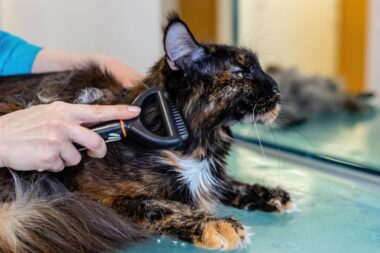
After completing a cat bath, one must focus on proper post-bath care to ensure your feline friend is comfortable and looking its best. The first step in post-bath care is to thoroughly dry your cat. Use a soft towel and gently pat down the fur, absorbing as much water as possible without rubbing aggressively. Cats may be sensitive, so it’s important to be gentle. Consider using a pet-specific blow dryer on the lowest heat setting if your cat tolerates it. Furthermore, make sure to brush your cat while it’s still slightly damp to prevent tangles and mats from forming. Begin by using a wide-toothed comb to remove any tangles, followed by a slicker brush for smoothness. Regular grooming helps maintain a healthy coat, minimizing shedding and skin irritation. It’s also an excellent opportunity to check for any skin issues or parasites. Ensure your cat remains calm; offering treats during and after grooming can promote a positive experience. Grooming sessions should last around 10 to 15 minutes, focusing on areas prone to matting, like behind the ears and under the legs. A calm environment will significantly aid your efforts.
Another important aspect of post-bath care involves checking the nails and paw pads. After bathing, your cat’s nails should be properly trimmed to prevent snagging on furniture or causing injury. Use specific cat nail clippers and ensure not to cut too close to the quick. If you have difficulty handling your cat’s paws, you may want to wrap them gently in a towel, exposing only one paw at a time. Check the paw pads for any debris, such as dirt or water that could cause irritation. If needed, use a damp cloth to clean them delicately. Furthermore, pay attention to your cat’s ears and eyes after the bath. Sometimes, residual water can irritate these sensitive areas. You might find yourself needing to clean your cat’s ears using a cotton ball lightly moistened with a vet-recommended ear cleaner. Avoid inserting anything deep into the ear canal to prevent damage. Keeping these areas clean helps prevent infections and ensures your cat’s overall well-being post-bath. Remember, positive reinforcement strengthens the bond between you and your cat during grooming activities.
Maintain a Regular Grooming Schedule
Practicing regular grooming in addition to post-bath care is highly beneficial for your cat’s health. Establishing a routine makes the grooming process smoother and less stressful for your pet. Depending on the breed and length of the cat’s fur, some may need to be groomed multiple times a week, while others may only require it once a month. Long-haired breeds often benefit from daily brushing to prevent knots and mats from developing. Consistent grooming also gives you time to inspect for any unusual changes in your cat’s skin, such as irritation or lumps. It’s not just about removing dead hair; grooming stimulates blood circulation and the distribution of natural oils, enhancing coat health. Moreover, using the right tools for grooming is crucial. Initially, it’s wise to consult with your veterinarian or a professional groomer to identify the best tools for your cat’s specific needs. Choosing appropriate brushes that suit the coat type helps your pet be more comfortable during the grooming process, decreasing anxiety for both you and your feline companion. A structured grooming schedule can eventually reinforce trust and cooperation with your cat.
Beyond regular grooming, consider incorporating bonding activities into your post-bath routine. Cats thrive on companionship, so dedicating time for interactive play after a bath can help them feel more at ease. Using their favorite toys or engaging them in gentle play can redirect their focus, allowing them to forget any stress associated with the bath. Activities like feather toys or wand games not only entertain but also encourage exercise, further enhancing their physical and mental well-being. Following bath time with play ensures they enjoy the entire experience rather than associating it solely with unpleasantness. Additionally, providing a comfortable resting place immediately after the bath allows your cat to relax and warm up. Make a cozy corner with padded bedding and their favorite blankets, ensuring they feel secure and restful. You can also offer soft treats or tasty rewards that create positive associations with bath time. These thoughtful touches in your post-bath routine will condition your cat to respond positively to being bathed, promoting a healthier lifestyle as they get comfortable with bathing as a regular activity.
Common Post-Bath Issues
After bathing, some cats might exhibit signs of stress or discomfort, which can be concerning for pet owners. It’s essential to recognize and address these issues promptly to ensure a smooth transition from bath time to comfortable relaxation. This might include signs like excessive grooming, attempts to hide, or vocalizing stress. If your cat shows unusual behaviors following a bath, perhaps take a step back and re-evaluate the bathing process. It could be that they are not comfortable with water or feel insecure during the drying process. In these cases, seeking advice from a veterinarian or a professional groomer may provide additional insights tailored to your cat’s unique temperament and preferences. Moreover, introducing them to a more gradual bathing process, like using the sink instead of a bathtub, can be beneficial. For particularly anxious cats, it might be worthwhile trying a dry shampoo formulated for pets to avoid unnecessary bathing altogether. Being proactive in identifying and addressing any post-bath problems can greatly enhance your relationship with your furry friend while maintaining their hygiene.
Ultimately, the goal of post-bath care is to ensure your cat feels happy and secure after grooming. It may take time to find the perfect routine or strategy that suits both you and your fur baby, but persistence is key. Celebrate successes during bath time with praises and rewards to reinforce good behavior. Once you find the right grooming schedule that incorporates bath time effectively, it lowers stress levels for both you and your cat. This leads to healthier habits and a stronger bond between you. Understand that your cat might not immediately embrace bath time, and that’s okay. Be patient, and tailor your grooming to suit their needs without forcing them. When appropriate, gradually increase the bath frequency while ensuring they remain calm. Remember, consistency accompanied by gentle actions is imperative in training your cat to accept grooming routines with less resistance. You may even find that over time, bath time becomes a pleasant experience for both of you, reflecting in your cat’s overall health, appearance, and mood. Ensuring they feel comfortable during this necessary grooming process should always be the priority.
Conclusion
In summary, efficient post-bath care includes a combination of proper grooming techniques, positive reinforcement, and maintaining a structured schedule. Your cat will not only enjoy a cleaner coat but also reap numerous benefits influencing their well-being both physically and mentally. These practices also foster a more profound trust between you and your pet, which means less anxiety for both during and after baths. Taking time to understand your unique cat’s grooming needs, verifying they are comfortable throughout the whole process, and incorporating fun activities can significantly improve your relationship. Don’t forget that regular inspections during brushing can help catch health issues early. Investing time in your cat’s grooming routine will lead to a healthier, happier pet who is more relaxed during bath times. Lastly, keep exploring various grooming tools and methods as your cat grows and changes. Remember that what works today may need readjustment down the line as health requirements and preferences evolve. By staying attentive and adaptable, you will ensure that your beloved feline remains not only clean but also feels loved and safe.
Care doesn’t stop with proper grooming. Also, always ensure your cat has access to fresh water and a balanced diet, which deeply influences their coat health overall. Regular veterinary check-ups can reveal fur conditions or concerns that might not show up during your routine grooming sessions. Allow your cat to develop a positive association with grooming through gradual exposure and rewarding them with petting or praises. This encourages them to view grooming as a rewarding experience. By creating a peaceful and reassuring environment for post-bath activities, your feline friend will be more likely to accept baths and handling in future sessions. Your commitment to maintaining their cleanliness will ultimately pay off in their mood, health, and overall happiness, as a well-groomed cat often feels more confident and less prone to stress. Always recommend using products specifically designed for felines to steer clear of any irritants found in human products. Respect their limits and comfort zones during grooming sessions to create a more pleasurable experience for you both. Remember, every cat is unique with individual grooming preferences, so tailor your approach accordingly and cherish all tender moments shared during grooming.