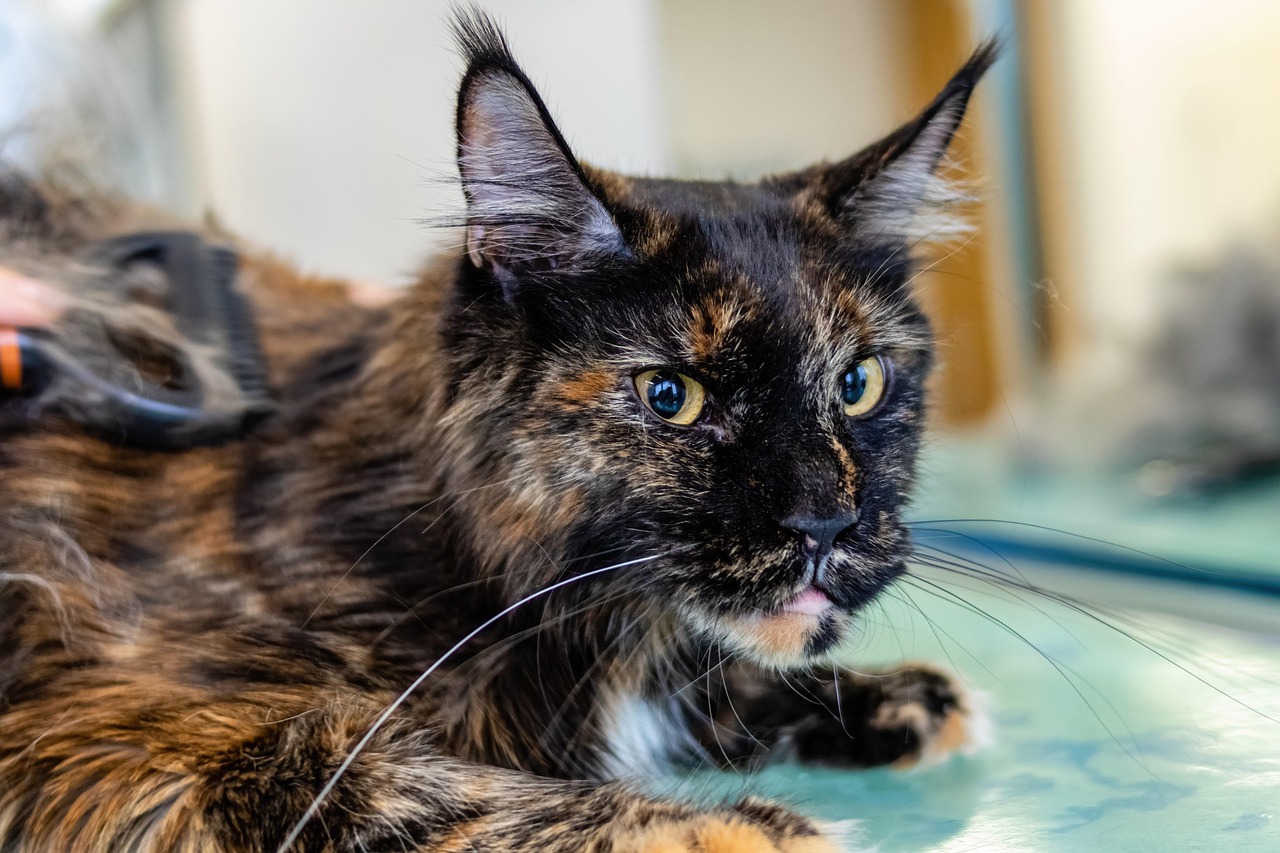

Safe Use of Brushes and Combs for Grooming Cats
Grooming your cat is essential for its health and happiness. Regular grooming helps reduce shedding, minimizes hairballs, and keeps your cat’s coat looking shiny and clean. However, using the wrong tools or techniques can be distressing for your feline friend. Thus, it becomes pivotal to understand safe grooming practices thoroughly. Start by choosing the right brush or comb suitable for your cat’s breed, hair length, and temperament. For long-haired cats, a wide-toothed comb can help untangle knots without pulling on the skin. Conversely, a slicker brush is excellent for short-haired breeds. Prioritize your cat’s comfort during grooming; always approach gently and ensure you’re in a calm environment. Incorporating treats can create a positive association with grooming. Keeping the grooming sessions short at first can help ease your cat into a regular routine. Gradually increase the duration as your cat becomes more comfortable. Pay attention to any signs of stress or discomfort; if your cat resists, take a break and try again later. An understanding of these practices ensures that grooming remains a safe, stress-free experience for both you and your cat.
Another important aspect of safe grooming involves monitoring your cat’s skin and coat during the process. Pay attention to any unusual lumps, bumps, or signs of irritation while brushing. If you notice anything concerning, consult your veterinarian for advice. Regular grooming not only enhances your cat’s appearance but is a vital opportunity to check for abnormalities in their skin and fur. Make sure to examine their ears, eyes, and paws during grooming sessions. Use a soft, gentle brush to avoid irritating their sensitive skin. Also, ensure that all grooming tools are clean and free from any debris or bacteria. Regularly inspect and clean brushes and combs according to the manufacturer’s recommendations. This practice prevents infections or skin issues caused by dirty tools. Furthermore, familiarize yourself with the specific grooming needs of your cat breed. Different breeds require different grooming frequencies and techniques, so knowledgeable owners will find their grooming experiences much smoother. Consider scheduling grooming sessions around your cat’s playtime or meal times to make them more enjoyable. Understanding your pet’s preferences significantly benefits both of you in developing a mutual trust and relaxation during grooming.
Choosing the Right Grooming Tools
Choosing the right grooming tools is fundamental to ensuring a safe and effective grooming experience. A wide variety of brushes and combs are available, each designed specifically for different fur types. For example, a rubber brush can help remove loose fur while also serving as a massager, which can be soothing for many cats. For cats with undercoats, a dematting rake may be necessary to tackle tangles without damaging the top coat. Conversely, cat owners of short-haired breeds might find that a bristle brush is sufficient for maintaining a sleek appearance. Always check the tool’s recommendations and ensure that they are suited to your cat’s specific grooming needs. Moreover, ergonomics of the grooming tools are important as well; a comfortable handle ensures you can groom with ease. Creating a proper grooming station also helps; this means a designated area with good lighting and minimal distractions. Ensuring a calm environment aids in reducing anxiety during grooming. Invest time in researching and investing in quality grooming tools to ensure they last. A well-chosen tool can help establish a routine that benefits both you and your feline friend over time and reinforces a positive association with grooming sessions.
When grooming, patience is your best friend. Cats can be sensitive creatures, and rushing can lead to stress and negative associations with the grooming process. Start with gentle strokes and take breaks regularly to keep the experience light and stress-free. Introduce new brushes gradually to prevent overwhelming your cat; if they seem frightened or resistant, start using the tool for shorter periods. Positive reinforcement is beneficial here—rewarding your cat with treats or affectionate words can help them associate brushes and combs with pleasant experiences. Remember, consistency is also crucial. Create a routine that involves grooming at specific times of the day, as this can help set expectations for your cat. It not only gets them used to the process but also inculcates a sense of stability. Additionally, grooming should be a two-way street of respect and trust. If your cat shows signs of distress, stop for a moment, evaluate the tool or technique being used, and adjust as necessary. Practicing gentleness and observation will ensure a better grooming experience, encouraging your pet to relax and enjoy these bonding moments in the future. This creates a positive dynamic between you and your cat, reinforcing trust and safety further.
Techniques for Effective Grooming
Different grooming techniques cater to your cat’s specific needs and can greatly enhance their experience. First, always begin with a visual inspection of the coat for any tangles or mats. When you find them, carefully work through these areas using your fingers before using the comb or brush. Avoid using force, as this can lead to stress or even injuries. Always brush in the direction of the fur growth to avoid discomfort. When using a slicker brush, ensure strokes are gentle, especially on sensitive areas like the belly or chest. Keeping sessions calm and positive will teach your cat that grooming sessions can be enjoyable, promoting a trusting bond. Furthermore, use treat rewards strategically throughout the grooming process to encourage good behavior and relaxation. Use a soft cloth or cotton pad to clean your cat’s face or ears gently, keeping their sensitive areas clean without causing irritation. Additionally, if your cat struggles with knots, consider using specialized detangling sprays or conditioners suitable for cats. Lastly, remember to adjust your technique based on your cat’s mood and reactions. Tailoring your approach leads to a more pleasant grooming experience for both you and your feline companion as you develop trust over repeated sessions.
Maintaining a regular grooming schedule aids in establishing a positive pattern for both you and your cat. Frequency may vary depending on your cat’s breed, age, and health condition. Setting a routine fosters both expectations and security, making grooming sessions almost second nature to your pet. For example, long-haired cats may require grooming several times a week, while short-haired cats might only need occasional brushing. Keeping organized records of grooming sessions can help track progress and manage any changes in your cat’s coat condition. Keep in mind, the right grooming tools must be easy to use and provide comfort for you and your feline friend. Experiment with various brushes and combs. It’s also essential to choose tools made from safe materials that won’t harm your cat during grooming. Additionally, ensure your grooming area is free of hazards such as cords or sharp tools. If you find any mats or tangles, treat them gently and patiently; patience during detangling can preserve a happy grooming experience. Ultimately, a consistent schedule and the correct tools will enable you to build a trusting relationship with your cat, transforming grooming from a chore into a delightful bonding experience.
Ensuring a Positive Experience
Ensuring a positive grooming experience requires attention to your cat’s comfort and emotional state. Always create an inviting environment for grooming. Choose a quiet space where your cat feels safe, minimizing distractions or loud noises. Furthermore, invest time in understanding your cat’s body language; this helps ascertain their feelings towards grooming. Signs of relaxation include purring or leaning into the brush, while signs of distress may involve hissing or sudden movements. If your cat becomes overly stressed, it’s advisable to give them a break. Gradually reintroducing grooming after a stressful event can help ease anxiety and encourage trust during the process. Gradually allow your cat to explore the brushes or combs before use; this allows for comfort before the grooming starts. Be sure to build positive associations through praise and treats during means of progress. Incorporating playtime after grooming can act as a reinforcement of positive experiences, enhancing your cat’s expectation of grooming. Regularly assess your cat’s coat condition, making grooming fun and informative for you both. Ultimately, creating a positive association with grooming not only benefits your cat’s physical health but also bolsters your relationship as a loving caregiver.
Understanding the significance of grooming tools alongside safe practices is crucial for cat owners. Brushing and combing keep your cat’s skin healthy by stimulating blood circulation and distributing natural oils. A well-groomed coat prevents mats and tangles, contributing to a more comfortable existence for your feline friend. When you establish a trustful grooming routine, your cat is likely to become less anxious and more accustomed to the grooming process. Additionally, regular grooming allows for an early detection of parasites, skin conditions, and other health concerns. Safeguarding your cat from potential discomfort is another key aspect of grooming. By paying attention to grooming techniques and tools used, you are conveying an understanding of their needs and comfort. Furthermore, always prioritize safety by investing in high-quality, cat-specific tools to minimize the risk of injury. Ensure that your grooming stations are nearby to provide convenience and minimize stress for both of you during grooming. Overall, maintaining a consistent grooming routine is essential for the overall physical and emotional health of your feline companion. Ultimately, proper grooming practices lead to a happier and healthier life for your beloved cat.