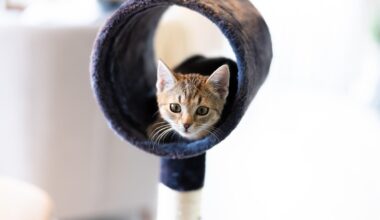

The Error of Forcing Cats to Exercise When They’re Unwilling
When it comes to cat exercise, many owners make the critical mistake of forcing their pets to engage in physical activity against their will. Cats are inherently independent creatures with their own unique personalities and preferences. Expecting them to enjoy an exercise routine that they are not interested in can lead to anxiety and stress. It’s important to recognize that every cat has distinct likes and dislikes, and what works for one might fail miserably with another. Instead of forcing interaction, consider utilizing varied toys and environments to promote a more natural form of exercise. Observe their behavior closely to find activities they enjoy. Engaging cats in a gentle, playful manner will likely lead to more successful workout sessions. If an activity appears to cause distress, it’s crucial to stop immediately and reassess your approach. The goal of exercise should not only be physical fitness but also enhancing their emotional well-being. Remember, creating a positive association with exercise can lead to a happier and healthier cat overall. Explore options together to foster a mutual bond and encourage voluntary movement and play.
One common mistake is using overly aggressive tactics to motivate a cat to exercise. An ideal approach would center around patience and gentle encouragement. Cats may view being pushed into an exercise routine as a sign of threat, rather than an opportunity for playful interaction. Introducing varied engagement strategies is vital. For example, enticing your cat with toys that mimic prey can naturally stimulate curiosity and promote active playfulness. Always keep in mind that safety should be a priority. Ensuring that any toys or equipment are safe and suitable for their size and age is crucial. Incorporate short, energetic play sessions rather than prolonged bouts of exercise, as cats often prefer quick bursts of activity. Keeping it fun and engaging should be the main focus when introducing new toys and activities to them. By observing their responses and preferences, you can tailor exercise sessions more effectively, turning what could be a stressful ordeal into a fun and engaging interaction. The balance between encouragement and letting them lead the way can create an environment where your cat feels safe and happy.
Understanding Cat Behavior
Gaining insights into cat behavior can illuminate many aspects of exercise preferences. Cats express their desires and discomforts through body language and vocalizations, often revealing their feelings toward exercise. Signs of unwillingness may manifest as hiding, hissing, or turning away from the activity. Respecting these cues is crucial; they are your cat’s way of communicating their needs. Instead of imposing structured routines, allow for free-form play, which can resemble a more natural hunting behavior. This feeding into their instinctual drives can promote engagement and interest organically. Try to understand what motivates your cat, whether it’s a moving feather, a laser dot, or perhaps cuddly interactions. Always consider their energy levels and mood; some days they’ll be more active than others, and flexibility in your approach will yield better results. Offering them choices in play can also enhance their willingness to engage. In some cases, interactive play alongside their human can encourage camaraderie, turning exercise into a bonding experience. Understanding individual personalities and fostering a connection through interactive playtime can cultivate a better environment for exercise opportunities.
Another frequent pitfall resides in the misconception that all cats possess the same exercise needs. Each feline has its own energy levels and requirements, which means there is no one-size-fits-all solution. It’s essential to tailor your exercise approach based on these unique traits. Kittens, for instance, tend to have higher activity levels compared to older cats, who may prefer quieter activities. Thus, varying enrichment activities between different life stages is crucial for their well-being. Young cats will often exhibit more spirited play, requiring engaging and stimulating environments to thrive. Conversely, senior cats may appreciate gentler, less intensive interactions. In this regard, mindfulness toward age-related behaviors can keep them engaged. Variety is key; rotating toys and paraphernalia encourages interest without overexerting or exhausting them. Ensure to monitor their physical state during play to avoid any discomfort. This attentive approach will make the sessions enjoyable and will also keep them mentally stimulated. Emphasizing the importance of adaptability can significantly enhance your cat’s experience and willingness to exercise, ultimately leading to improved physical and emotional health.
Creating a Comfortable Environment
Additionally, the environment in which your cat exercises plays a huge role in their willingness to participate. A chaotic setting can contribute to stress, making it harder for them to relax and engage. Striving for a serene atmosphere filled with their favorite items and safe spaces is advantageous. Providing a variety of accessible play areas ensures they feel secure when engaging in activity. Moreover, creating obstacle courses that feel like an adventure rather than forced exercise can be enticing for your cat. Incorporating nooks, tunnels, and scratching posts can allow cats to explore their surroundings actively. Easy access to interesting locations can significantly encourage exploration and, in turn, exercise. Moreover, it’s essential to ensure that the play environment is free from danger, as sudden distractions can evoke fear. Presence of familiar scents can enhance comfort and encourage them to explore the area freely. By crafting an environment that considers the preferences and behavioral patterns of your cat, you will enhance the likelihood of voluntary activity and enjoyment in their exercise routine, allowing them to thrive.
To further enhance the effectiveness of play, consider employing positive reinforcement techniques. Cats respond exceptionally well to reward-based motivation, and this strategy can transform exercise time into something they eagerly anticipate. Offer treats or affection as rewards for engaging in desired activities. Experimenting with different types of coordination games may yield surprising results; recognizing a cat’s achievements reinforces positive habits. Gradually increasing the complexity of tasks can maintain their interest while promoting cognitive function. Create opportunities for your cat to showcase their skills, leading to a confident and successful engagement. Another aspect to consider is their overall health status. Regular veterinary check-ups can identify any issues that may deter them from exercise and inform you of their specific needs. Always observe any signs of distress or discomfort during play sessions, including unusual fatigue or avoidance behavior. These observations are vital to ensuring that exercise remains a positive experience for your furry friend. Implementing a tailored and rewarding strategy will create an interactive atmosphere strongly bonded with fun and engagement.
Conclusion: Exercise at Their Own Pace
In conclusion, understanding that exercise should be a pleasurable activity rather than a forced routine is essential for any cat owner. Providing the right environment, using positive reinforcement, and recognizing individual preferences all contribute toward creating an enjoyable exercise experience. Results will emerge from patience and flexibility, allowing your cat to engage at their own pace rather than imposing strict expectations. Observe and take your lead from your feline friend, seeing what drives their passion for fitness. Maintain a balance between motivation and respect for their comfort to ensure that they are engaging happily. Remember to celebrate small wins and to enjoy the process as much as the result; this nurtures a loving bond. Encourage exercise by making it rewarding and engaging without undue pressure. Fostering a sense of agency in your cat during playtimes will lead to more meaningful interactions. Ultimately, your objective should be to create a harmonious, happy environment that promotes healthy exercise habits without compromising their enjoyment. Engage with trial and error, ensuring every experience contributes towards their well-being and enriches your lives together.
Given the nuances of cat personalities, patience and observation empower owners to inspire voluntary and enjoyable exercise opportunities for their cats. Your journey towards understanding feline fun and fitness can lead to transformative experiences. So, make sure to put these principles into practice as you work towards a healthier lifestyle for both you and your feline companion.