
The Psychological Benefits of a Well-Designed Dog House for Training
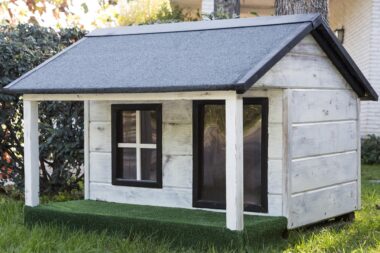
A well-designed dog house plays a vital role in the psychological well-being of dogs, especially during training sessions. The environment influences a dog’s stress levels and their ability to learn commands and behaviors. A comfortable dog house not only provides shelter but also serves as a safe haven where dogs can retreat when feeling overwhelmed. In a well-structured space, dogs can relax, thereby increasing their focus during training. The materials used, size, and location of the house can significantly impact the dog’s willingness to participate in training activities. This reflection of safety can lead to improved bonding between the dog and the trainer, fostering an environment of trust. Moreover, having a specific area for training that feels secure encourages learning as it leads to a reduction in anxiety. The dog house should also provide clear boundaries, promoting discipline. For optimal results, consider the height, ventilation, and internal features that enhance the dog’s experience. By prioritizing these factors, one can create an inviting atmosphere that supports effective training.
In addition to comfort, the design of a dog house allows for personal expression and individuality. Styles and designs can vary significantly across different dog houses, yet their common goal remains: to accommodate the needs of the dog. When a dog feels that their space is uniquely theirs, it fosters a sense of belonging and identity. Ensuring that the house meets the dog’s specific needs can enhance its psychological benefits. Dogs appreciate safe, quiet, and comfortable places that align with their instincts. Customizing elements can also enhance ownership, such as adding familiar toys or blankets. This personal touch can be especially beneficial during training phases, as dogs may feel more confident in their training when their anxious reactions are managed by their enhanced sense of territory. Furthermore, colors and textures can stimulate positive feelings and moods in dogs. Bright and natural elements can create an inviting space. Ultimately, the visual appeal of a well-designed dog house can contribute to a dog’s motivation and eagerness to participate gladly in training exercises.
Impact on Behavior and Learning
The psychological benefits of a well-designed dog house extend to improving behaviors crucial for effective training. Dogs that feel secure in their environment are less likely to exhibit anxiety-related behaviors, such as excessive barking or destructive tendencies. In contrast, anxiety can lead to difficulty focusing during training sessions. When dogs are stressed or uneasy, they struggle to engage fully with commands. By providing a safe place that feels like home, trainers can achieve better outcomes. A designated space allows dogs to associate training with positive feelings rather than negative experiences—creating a better link between training sessions and rewards. It becomes easier for trainers to observe behavioral changes and adapt training techniques accordingly. Moreover, a stable environment supports consistency, essential for effective learning. Dogs thrive on routine and predictability, and a well-structured dog house can provide that consistency. By creating a space where they feel comfortable, trainers can enhance their ability to learn and adapt behaviors more effectively. To encourage this, incorporating praise and positive reinforcement in their training routine becomes crucial.
Another key aspect of dog housing that influences psychological well-being is the importance of socialization during training. A well-designed dog house can facilitate interactions with other dogs and people. This can ease the introduction of a dog to various training scenarios, helping them feel more at ease. By being in a familiar and safe environment, a dog is more inclined to interact positively with trainers and peers. This socialization can help decrease fear and aggression, preparing them for situations encountered outside of their comfort zone. The dog house can also help establish boundaries both physically and emotionally, which is essential for learning proper behavior. Incorporating shared spaces, such as a communal area, allows for essential playtime and exploration outside of strict training hours. This structure also encourages good manners among dogs, promoting respectful interactions. Additionally, experienced trainers can guide new dog owners in creating the ideal atmosphere, fostering better connections and friendships. With time, dogs that engage socially thrive much more in their training, largely due to confidence obtained from their well-designed space.
Encouraging Independence
Providing a well-designed dog house also encourages independence in pets, another significant psychological benefit. By allowing a dog to have its own space, the owner can help the dog develop a sense of independence and self-confidence. Dogs often experience uneasiness when left alone or when they limit their exploratory instincts. This can be successfully mitigated through effective dog housing solutions. Pets need a sanctuary that they can retreat to when feeling overwhelmed, allowing them to be comfortable during various transitions or alone-time scenarios. Training becomes enriched as independence grows, enabling dogs to feel secure when separated from their owners, which can assist particularly in house-training situations. With time, dogs start to feel more secure and capable of handling themselves, leading to reduced anxiety levels. Purposefully designed dog houses should encourage exploration and curiosity while still offering security. The balance between independence and safety is crucial. This balance not only aids training efforts but also builds a well-rounded and mentally healthy dog—a goal every owner wishes to achieve.
Moreover, a thoughtfully designed dog house can contribute fundamentally to the overall happiness of a dog, which is crucial during training. When a pet feels joy and comfort in their environment, they are more open to learning. Happiness comes from being able to express themselves and finding space where they can relax. Elements such as comfortable bedding, privacy sections, and even toys can enhance a dog’s experience. Ensuring that these elements are embedded within the dog’s house reinforces the notion of being cared for and understood. This feeling of happiness is essential to building strong emotional connections between dogs and their owners. Equally important is the ability to observe changes in mood and behavior during training. As the dog homes in on positive connections, dogs will start to respond more favorably to commands while boosting morale and reducing potential fear. Over time, this balance leads to a rewarding training journey. Watching your pet evolve into a well-behaved companion becomes one of the ultimate rewards of creating a nurturing training environment, centered around a well-designed dog house.
Conclusion
In conclusion, the psychological benefits of a well-designed dog house for training purposes cannot be underestimated. A carefully constructed space offers safety, security, and comfort. These elements significantly influence behaviors, responses to training, and overall learning. Trainers and dog owners should recognize the essence of a suitable environment in optimizing training results. Not only does it enhance the dog’s mood and behavioral responses, but it also deepens the bond that forms between owner and dog. Investing time and effort into creating a warm haven contributes positively to a dog’s mental state. The role of dog housing cannot be overlooked; it is integral to growth, independence, and learning capabilities. As more owners realize the significance of designs tailored to their canine’s needs, they will find that their training efforts will yield much higher success rates. Ultimately, a well-structured dog house serves as the foundation for a training environment where dogs can thrive, fostering happier, more confident, and well-behaved companions. The journey towards a well-trained dog begins with creating a nurturing and inviting space that resonates positivity.