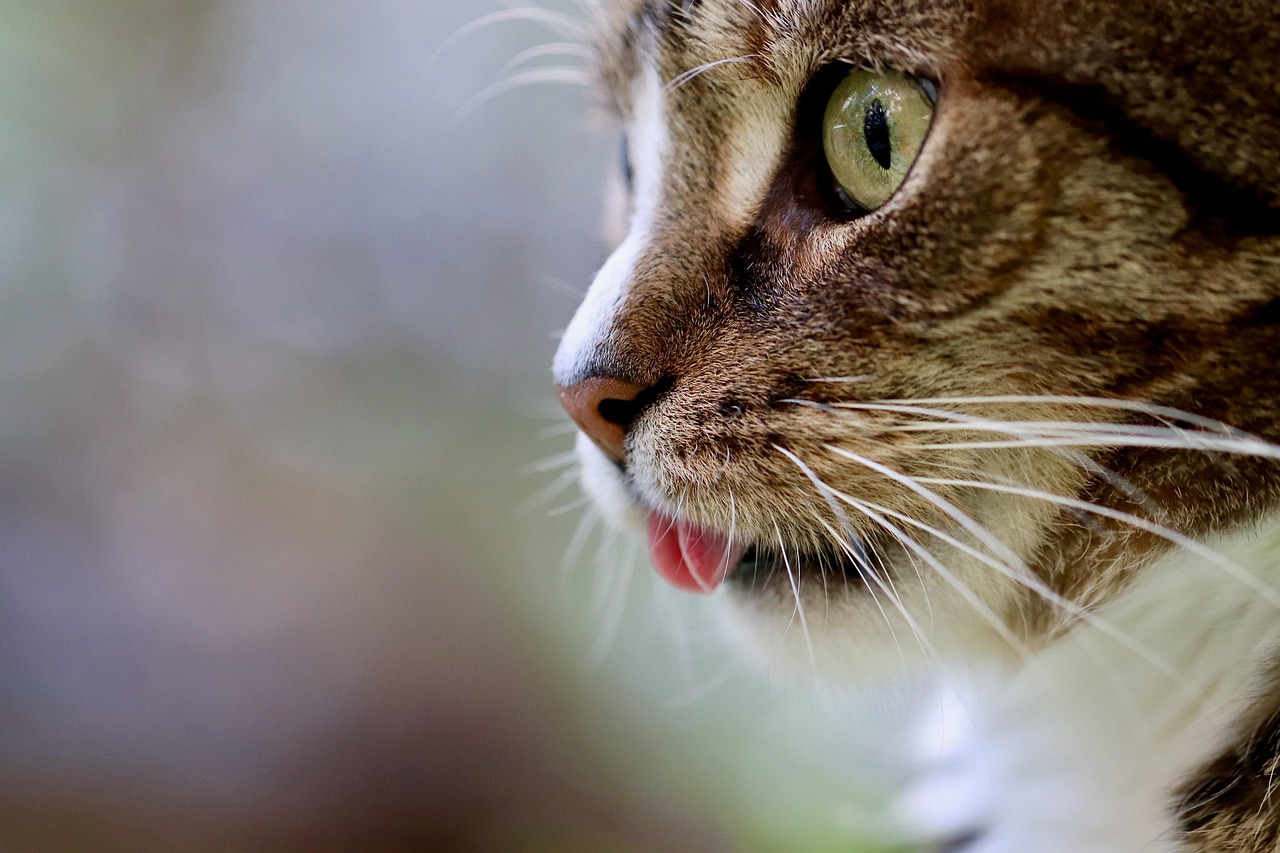

The Risks of Skipping Vaccinations for Indoor Cats
Indoor cats may seem safe from various diseases, but they are still at risk without vaccinations. Many pet owners believe that keeping their cat indoors negates the necessity for vaccinations. However, certain circumstances can lead to potential exposure. For example, if a cat gets outside even briefly, it could come into contact with diseases or even other animals. Viruses can be transferred on clothing, shoes, or through open windows, posing a threat. The primary objective of vaccinations is to prevent severe illnesses, which indoor cats are not immune to. Common feline diseases such as feline leukemia virus (FeLV) or feline immunodeficiency virus (FIV) can be contracted even by indoor cats. Therefore, annual vaccinations are essential to confer the necessary immunity, safeguarding your pet’s health. Additionally, vaccines can minimize the spread of diseases should your indoor cat encounter outdoor animals during brief exposure. Educating yourself on the risks is vital for every cat owner who believes indoor living completely protects their pet. Regular veterinary check-ups are equally important, ensuring that your cat remains healthy and protected from potential threats.
Vaccinating your indoor cat is a critical part of responsible pet ownership. Vaccines not only protect your furry friend but also contribute to overall public health by controlling disease outbreaks. For instance, rabies vaccines prevent this fatal disease from spreading among both pets and humans, as it can be transmitted through bites. Indoor cats may still risk exposure, perhaps through contact with stray animals or bites from insects carrying the virus. Moreover, the cost of treating diseases developed from skipped vaccinations can be vastly higher than the cost of preventive care like vaccinations. Pet owners often protect their cats by keeping them indoors, yet they may overlook essential health measures. Regular vet visits to receive routine vaccinations are necessity, ensuring your pet’s long-term health. Pet insurance can help cover health care costs, making care more accessible and financially feasible. In addition to health benefits, vaccinations offer peace of mind, reducing behaviors stemming from illness-related anxiety. Therefore, every diligent cat owner should take steps to ensure their cat receives appropriate vaccinations as part of a comprehensive health care strategy.
Common Vaccinations for Indoor Cats
Indoor cats require specific vaccinations to ensure their health and well-being. The core vaccines include rabies, feline distemper (panleukopenia), feline viral rhinotracheitis, and calicivirus. Rabies shots are legally mandated in many regions, offering essential protection against this lethal virus. Feline distemper is another crucial vaccine, safeguarding against a highly contagious disease that can quickly lead to severe health problems in cats. Rhinotracheitis and calicivirus vaccines further protect against respiratory illnesses, which can have devastating impacts on your cat’s health. Some veterinarians recommend additional non-core vaccines, depending on your cat’s lifestyle and environment. For example, the feline leukemia vaccine is advised for cats that have potential exposure to other cats, even if they usually stay indoors. Consulting your veterinarian can help determine the best vaccination schedule to follow. In many cases, indoor cats may require vaccinations every one to three years, based on guidelines provided by veterinarians. Additionally, creating a vaccination plan contributes significantly towards minimizing transmission risks, bridging the gap between indoor living and possible exposure to various diseases.
One of the significant benefits of vaccinating indoor cats is reducing the likelihood of outbreaks in household settings. Cats can be surprisingly susceptible to contagious diseases even when kept inside, especially in multi-pet households. When an unvaccinated cat interacts with another infected animal, it may trigger an outbreak that could endanger all other pets. Timely vaccinations help create a wall of immunity, making it difficult for diseases to spread. Vaccinated pets can also limit the chances of mediating pathogens that could affect other animals. Vaccinations lead to healthier, happier pets, which ultimately results in a more serene living environment. Additionally, taking care of your indoor cat’s healthcare through vaccination can contribute to the larger pet community. A well-vaccinated pet is less likely to catch and transmit diseases, thereby reducing strain on veterinary practices dealing with contagious illness outbreaks. Educating fellow pet owners about vaccination importance can further aid in controlling preventable feline diseases. Therefore, building awareness within your community is crucial for promoting a culture that prioritizes the health of all cats, regardless of their living environments.
Misconceptions About Indoor Cats and Vaccinations
Misconceptions surrounding indoor cats and their need for vaccinations are widespread. Many owners wrongly assume that indoor cats do not need any vaccinations since they are not exposed to the outdoor environment. This line of thinking overlooks that many diseases are transmissible via indirect means. For instance, a cat could catch a disease by interacting with infected pets at a grooming facility or during a veterinary visit. Furthermore, owners may believe that once vaccinated, their pets are immune for life. While initial vaccinations provide crucial protection, it fades over time, necessitating booster shots. Educating yourself about vaccine necessity ensures that you can make informed decisions about your pet’s health. Failing to vaccinate your indoor cat can lead to complications that result in unnecessary suffering. Conversations with your veterinarian can dispel these myths. They can help clarify the vaccines your indoor cat requires while providing tailored advice based on your pet’s lifestyle. Addressing these misconceptions fosters healthier living conditions for your beloved feline friend.
The importance of maintaining a vaccination regimen for indoor cats extends beyond personal responsibility; it contributes to public health. Rabies, for example, is a communicable virus that can pose serious threats to both humans and animals. Keeping indoor cats vaccinated protects not just your pet but also the surrounding community. Communities with high vaccination rates can effectively eradicate or control zoonotic diseases. This results in healthier public spaces while building awareness about responsible pet ownership practices. Through vaccination, indoor cats play a pivotal role in disease prevention across broader areas, creating safer environments for all species. Another critical aspect is understanding immunization intervals suggested by veterinarians. With different vaccines having varying longevity, following vaccination schedules, and monitoring your cat’s health is vital. Keeping records of all vaccines received will help you stay organized regarding your pet’s health. Preventative strategies, including vaccinations, also contribute positively to your cat’s quality of life. A vaccinated cat is less likely to experience frightening or painful health incidents that could arise from deadly diseases.
Conclusion: The Vital Need for Vaccination
In conclusion, vaccinating indoor cats is crucial for their health and safety, as well as that of the broader community. Many misconceptions cloud the perceptions of indoor cat vaccinations, leaving them unprotected. Owners must recognize that indoor cats are susceptible to various diseases and should receive necessary vaccinations. Investing time and resources into vaccinating your cat can ultimately lead to a healthier and longer life for your pet. Regular veterinary visits provide an opportunity for vaccinations, as well as health checks to spot potential problems. Further, promoting awareness about indoor cat vaccination to fellow cat owners fosters a responsible pet ownership culture. Only through collective efforts can we create healthier communities for cats and their human companions. Owners sometimes neglect their pets’ preventive healthcare needs, creating avoidable risks. Therefore, prioritize vaccinating indoor cats to ensure a constant barrier against diseases, ensuring lifelong health for our furry companions. Not just to meet legal requirements but also the moral obligation we have towards our pets and communities. A well-vaccinated indoor cat leads to a healthy lifestyle, strengthens bonds, and enhances life quality.
Summary of Key Points
Vaccinations play an essential role in safeguarding indoor cats from numerous health risks. Notably, rabies vaccination is legally mandated in many regions due to the contagious nature of the disease. Certain vaccine schedules are crucial for indoor cats to manage outbreak prevention consistently. The advice of local veterinarians helps in determining appropriate vaccine types to administer based on exposure risk. Understanding potential threats and taking action against them ensures responsible pet ownership. This includes scheduling regular health check-ups, monitoring vaccine efficacy, and learning about disease symptoms to watch for. Educating yourself and fellow cat owners promotes a community-focused approach to pet health. A focus on vaccinations ultimately contributes to overall feline well-being. Furthermore, the need for regular boosters ensures continued protection against diseases. The medical community unanimously supports vaccination as a pivotal responsibility for all cat owners.