
Tips for Using Patterned Backgrounds in Cat Photography
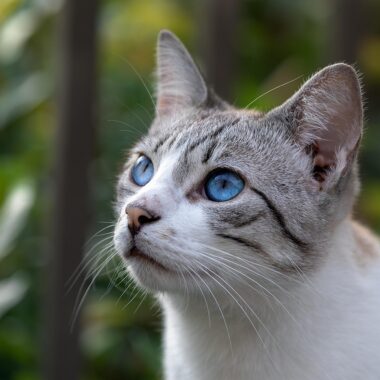
Choosing the right backgrounds in cat photography is crucial for capturing engaging images. Patterned backgrounds can add vibrancy and a unique touch to your pet photos. However, it’s essential to find a pattern that complements your cat’s fur color and personality. Start by examining the colors in your pet’s coat; you want a background that either contrasts with or harmonizes. For instance, bold designs might be overwhelming for lighter-colored cats, while subtle patterns work well with darker fur. It’s a balancing act between allowing the cat to shine and ensuring the background doesn’t detract from their features. Pay attention to the placement of the pattern as well. Position your cat so it’s not lost in the chaos of a busy design. To further enhance your images, consider using depth of field techniques, allowing for a blurred background that highlights your subject. Lastly, utilize different angles and distances to see how the pattern interacts with your feline friend. This experimentation will help create stunning, memorable shots while showcasing the beauty of your cat and the chosen backdrop effectively.
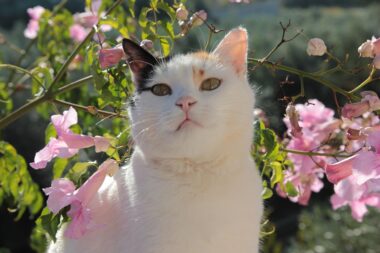
When selecting patterned backgrounds for cat photography, consider the context in which the photos will be displayed. Patterns can tell a story or set a mood, adding an emotional depth to your images. Floral patterns can evoke a sense of warmth and playfulness, while geometric designs might reflect modern aesthetics. Think about the personality of your cat when choosing the background. An energetic cat may pop against an abstract, bold backdrop, making their playful behavior even more pronounced. Conversely, a timid or calm cat may fare better against softer, muted colors that create a more relaxed atmosphere in the photo. Experiment with various settings to discover which patterns resonate best with your style and your cat’s charm. Incorporating props that coordinate with your background can also enhance your composition. Small toys or blankets in complementary colors could elevate the visual interest. Additionally, the lighting is pivotal; natural light often works best, especially when showcasing intricate patterns. Try to photograph during golden hour for a warm glow. This attention to detail will provide a backdrop that highlights the cat beautifully, creating enchanting portraits.
The Importance of Contrast in Backgrounds
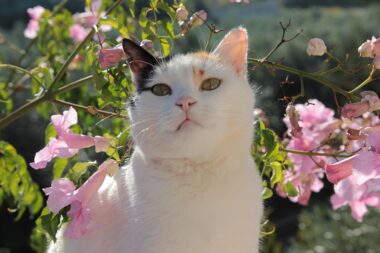
Contrast is a vital element when choosing a patterned background for cat photography. The goal is to ensure that your cat stands out against the backdrop rather than blending into it. For instance, a white cat on a white floral background may be lost, whereas a vibrant orange or patterned background would create a striking contrast. Assess the elements of your chosen pattern, comparing the colors to your cat’s fur. In instances where fur colors are similar to the background hues, consider adjusting the photograph’s angles or using props that create that necessary contrast by drawing focus to your cat. Moreover, contrasting textures can add an extra dimension to your images. A soft, fluffy cat can look stunning against a smooth or coarse background. This will enhance visual appeal and may even convey a narrative about your pet’s personality. Don’t shy away from color; vibrant patterns, when used correctly, can capture the playful spirit of your feline friend without overshadowing their natural beauty. Use editing tools post-shoot to tweak contrast levels if necessary, ensuring your furry model is the undeniable star of the composition.
When working with patterned backgrounds in cat photography, composition techniques play a crucial role. Follow the rule of thirds to guide your framing, placing your cat off-center and allowing the pattern to complement their presence. This technique often results in photographs that feel more dynamic and engaging. As you experiment with different patterns, ensure your focal point remains sharp, directing the viewer’s attention to your pet. Utilize leading lines within the background that draw the eye toward the cat, enhancing the focus even more. Adjust your aperture settings to achieve a pleasing depth of field effect, where the background gains a soft blur. This manipulation can enhance both the pattern and the subject, delivering a polished final image. Don’t hesitate to change perspectives; capturing your cat from a lower angle can emphasize the background even further. Remember that a well-composed photograph not only emphasizes your cat’s features but also weaves the background into a cohesive narrative. This connection between cat and background enriches the overall impact of the photograph, inviting viewers to appreciate both elements harmoniously.
Utilizing Props with Patterned Backgrounds
Incorporating props into your cat photography can enhance the visual appeal of patterned backgrounds. Choose items that either match or complement the existing patterns, creating a cohesive look for your shots. Soft blankets or toys can add layers and textures, making the scene feel more dynamic while ensuring your cat remains the focal point. Transparency works well when layering different patterns; for instance, combining semi-transparent fabrics can result in a captivating effect without overwhelming your cat. Props can also help create a narrative or themed environment, getting your feline friend more comfortable and engaged. Consider your cat’s personality when selecting props; a playful cat might enjoy toys that pop against the background, encouraging action shots. Conversely, provide a cozy spot for a shy cat to relax against an inviting, warm-patterned backdrop. Explore seasonal props that can tie into specific themes, such as autumn leaves or winter blankets. This versatility not only adds interest but allows your creativity to shine through in every photograph. Experimenting with various arrangements will help you discover those unique moments you enjoy most with your beloved companion.
Managing distractions in your images is vital for effective background use in cat photography. While patterns can add excitement, they can also become overwhelming if they distract from your cat. Aim for a busy background with strong contrasts, but be wary of visual chaos. Choosing a pattern with large, bold elements may overshadow your subject, drawing attention away from your cat. When photographing, keep an eye out for any elements in the background that may detract from your cat’s cuteness or expression. Take time to adjust the camera angle or shift the cat’s position to eliminate any distractions that don’t enhance the image. A patterned background should complement your cat, not detract from its personality. If needed, consider using a plain backdrop to avoid any conflict between the cat and the pattern. Post-processing tools can also assist in minimizing distractions; for example, blurring out busy sections or enhancing the cat’s features can help maintain focus. Remember, the ultimate goal of cat photography is to celebrate your furry friend in the most flattering light while using patterns judiciously.
Editing Techniques for Patterned Backgrounds
Post-processing can greatly enhance your cat photographs, especially when using patterned backgrounds. Simple editing techniques can help balance colors, contrast, and brightness, ensuring your images appear professional. While shooting, be mindful of lighting conditions, but know that you can refine exposure levels during editing as well. High dynamic range (HDR) techniques may prove beneficial for backgrounds with varying light sources. Utilize software tools to adjust the saturation of your pattern, ensuring it doesn’t overshadow your cat yet still remains visually engaging. Emphasize the foreground using sharpening tools, allowing your cat to pop against the backdrop. Explore various filters or presets that may complement your specific style while remaining subtle to keep your images authentic. Additionally, cropping can play a significant role in composition, removing any distracting elements and focusing on the subject and background. Pay careful attention to how your edits interact with the overall image; maintain a harmonious balance between the cat and the patterned background. This thoughtful approach to editing will elevate your photography, making your furry companion the star of the show in every shot.
Ultimately, mastering the art of using patterned backgrounds in cat photography requires practice and experimentation. Every cat has its uniqueness, and photographers must adapt their techniques to suit each individual personality. As you grow more comfortable with various patterns, backgrounds, and props, your confidence in capturing stunning photos will flourish. Regular practice will help refine your eye for detail, enabling you to select backgrounds that not only showcase your cat’s beauty but also resonate with viewers. Engage with your audience by sharing findings and insights, inviting discussion about their experiences with different backgrounds. Furthermore, consider joining online communities or photography groups dedicated to pet photography for further inspiration. Viewing others’ work can spark creativity and motivate you to try new patterns. Whether using bold graphics or subtle designs, your approach should be flexible, responsive to each shoot’s dynamic spirit. Keep an open mind, as some unexpected combinations may lead to delightful results. In cat photography, it’s all about having fun while creating memorable moments. Enjoy the process with your feline friends, and let their charisma shine through the magic of patterns.