
Training Cats to Use Cat Trees as Part of Indoor Enrichment
Cat trees are essential tools for enriching the indoor environment of our feline friends. Proper training allows cats to utilize these structures effectively, facilitating their natural instincts for climbing, scratching, and exploring. To encourage this behavior, it’s important to strategically place cat trees in high-traffic areas where your pet already spends time. Close to windows could attract their attention due to birds or interesting sights outside, making them more willing to engage with the tree.
Incorporating positive reinforcement into your training is paramount when teaching your cat to use a cat tree. Whenever your cat approaches or climbs on the tree, be sure to reward them with treats or verbal praise. This creates a positive association with the tree and encourages them to use it more frequently. Additionally, you can make the tree seem more appealing by placing toys or enticing scratching posts on it, giving them more reasons to explore it periodically.
It’s advisable to monitor your cat’s behavior during the initial training phase. Some cats may require more time to adjust, while others might readily jump onto the tree immediately. Be patient and consistent with your training methods, as this will help foster a trusting bond between you and your pet. Observe their preferences and adjust the setup or location of the cat tree based on how they respond and interact with this new addition.
Understanding Cat Behavior
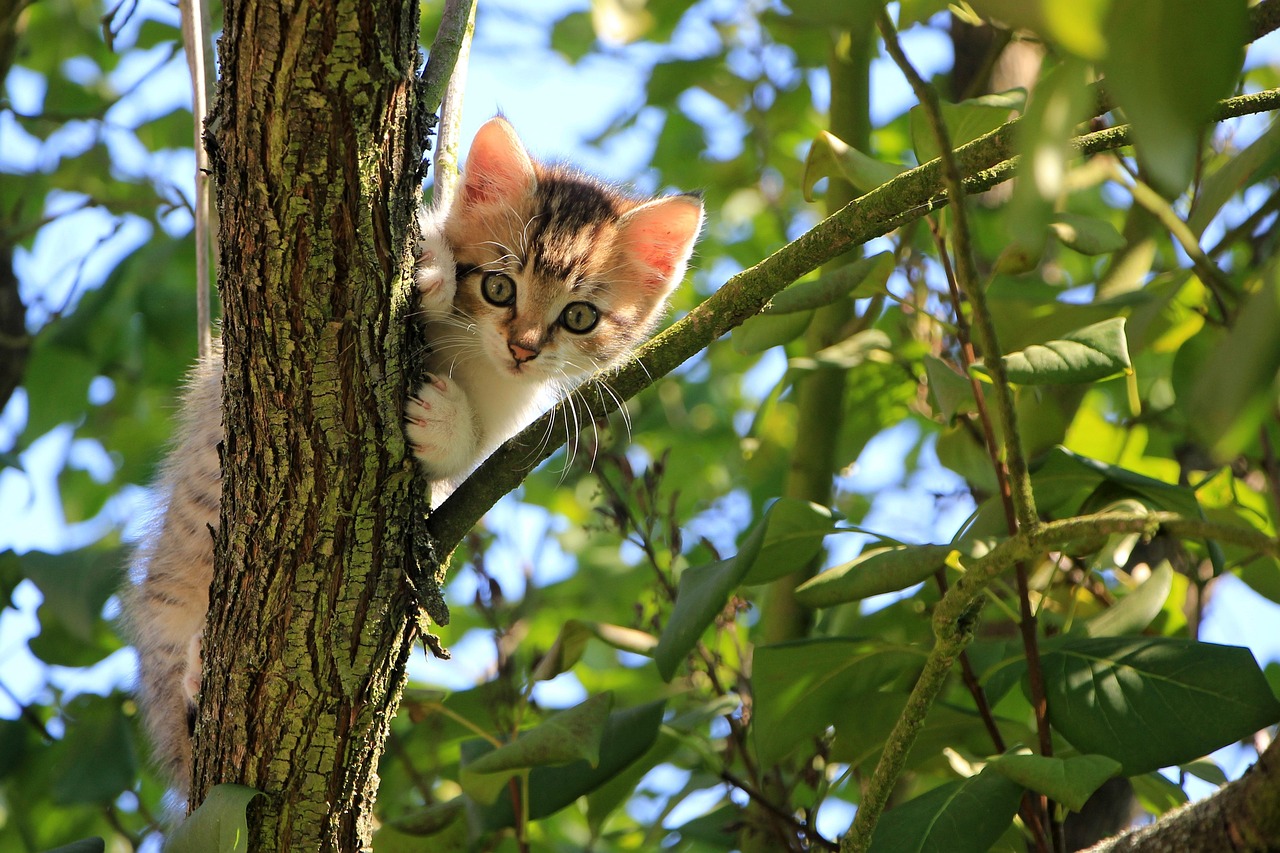
Understanding feline behavior is essential when it comes to effective training. Cats naturally love to climb and perch on elevated surfaces, which is where cat trees shine. Their instincts drive them to seek out high places for security and surveillance. By recognizing these inherent tendencies, owners can assist their cats in adapting to and engaging with the cat tree effectively as a source of comfort and play.
Moreover, it’s essential to craft a safe and inviting environment around the cat tree. Ensure that the area is free from hazards or potential distractions. Some cats might feel intimidated by unfamiliar settings, impacting their willingness to investigate or engage. Peaceful motivation, in a safe area, ensures that they explore the tree without stress, ultimately benefiting their physical and mental well-being.
Make time for interactive play sessions on and around the cat tree while employing toys to encourage exploration. Using feathered wands or laser pointers will engage their predatory instincts, directing them toward the cat tree as an excellent vantage point for observation. These sessions enhance their experience while simultaneously promoting physical activity and exercise, which is immensely beneficial to their health.
Maintaining Interest Over Time
To ensure long-term use, it’s critical to rotate accessories on the cat tree regularly. Change up the toys or add new items that stimulate their interest. Whether this involves different textures, scents, or even shapes, keeping the tree dynamic prevents boredom for your cat, reinforcing consistent engagement. By doing so, you can maintain your cat’s excitement about the tree and preserve its role as a vital part of their indoor play space.
Lastly, introducing new elements gradually can help keep your cat interested. Experiment with different placements or interactive features like hanging toys or climbing bridges to entice them back to the tree. With time and creativity, you can enhance your indoor environment, making the cat tree a focal point for play and relaxation, which contributes immensely to their overall happiness and fulfillment.