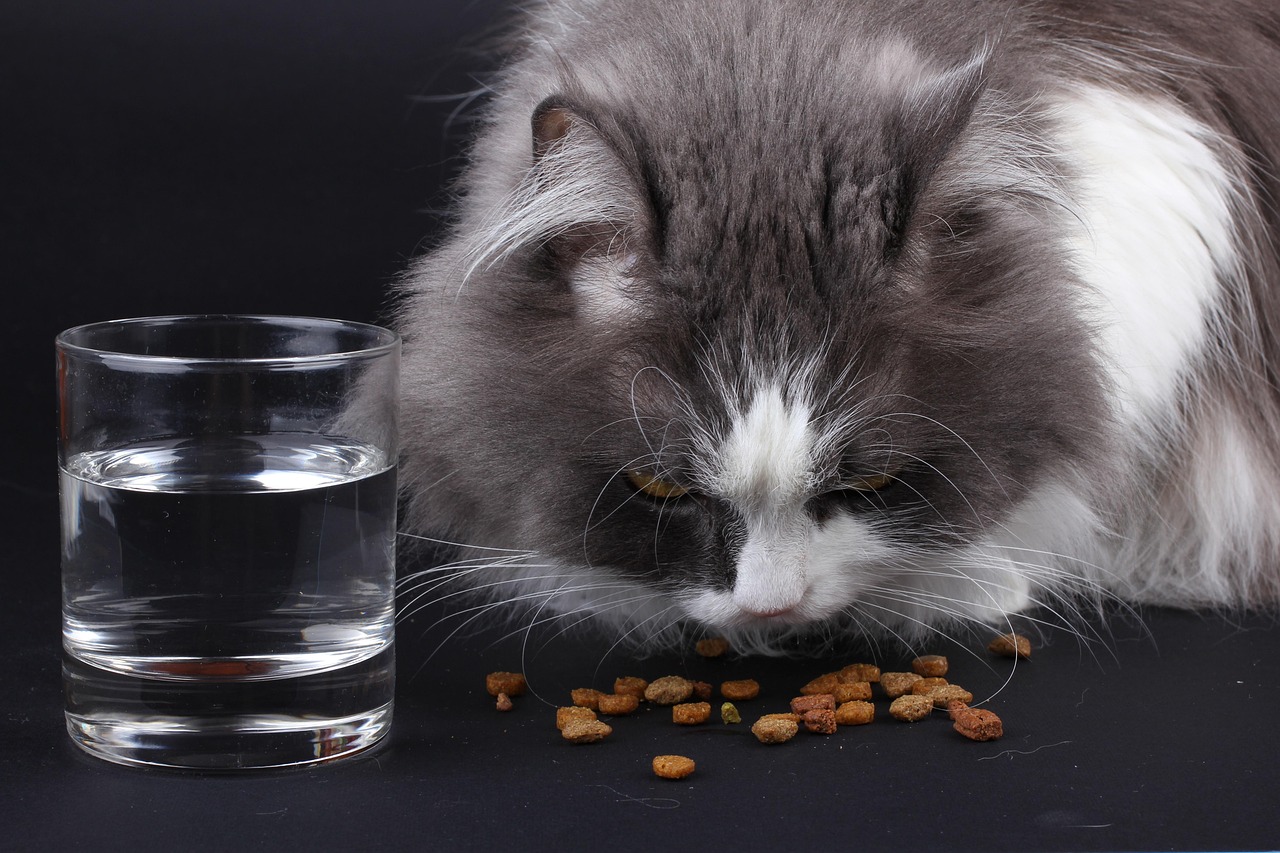

Advances in Feline Nutritional Science: A 2024 Overview
In 2024, the field of feline nutrition continues to evolve remarkably, driven by ongoing research and advances in veterinary science. Understanding the dietary needs of cats becomes crucial as they are obligate carnivores, requiring specific nutrients to thrive. Recent studies highlight the significance of high-protein diets, which closely mimic their natural prey-based intake. Additionally, the inclusion of Omega-3 and Omega-6 fatty acids is now recognized for its role in supporting skin health and reducing inflammation. Pet owners are increasingly informed about the ingredients in pet food, urging manufacturers to prioritize quality. Nutritional science advancements emphasize the importance of digestibility and nutrient bioavailability to maximize health benefits. Furthermore, novel ingredients like insect protein are gaining traction as sustainable sources of protein, addressing both climate concerns and dietary requirements. Enhanced formulations now consider age-specific needs, addressing the varying demands from kittens to senior cats. This research intensity is essential for ensuring that our feline companions live longer, healthier lives, minimizing disease risk through proper nutrition. Overall, the 2024 landscape in feline nutrition is promising, with trends focusing on innovative solutions to meet diverse cat health needs.
Understanding Cat Dietary Requirements
Cat dietary requirements are unique compared to dogs or other pets, emphasizing the need for specialized formulas. Unlike many animals, cats cannot synthesize certain essential amino acids, such as taurine and arginine. Deficiencies in these proteins can lead to severe health issues, including heart problems and vision loss. Recent research into feline dietary patterns reveals that while commercial kibble dominates the market, many cats also benefit from wet food options. Moisture content in these foods assists hydration, imperative for urinary tract health. Nutritionally balanced diets should also include vitamins and minerals that support overall health maintenance. A clear understanding of carbohydrates’ roles has emerged, with many experts advocating minimal inclusion levels in feline diets due to their limited processing abilities. The significance of antioxidants is gaining attention as they help combat oxidative stress within the feline body. Current investigations into the gut microbiome showcase its influence on overall health, suggesting the inclusion of prebiotics and probiotics may enhance digestive health. Nutrition should be tailored to an individual cat’s age, health status, and lifestyle, ensuring that all cats receive optimal dietary support throughout their lifetimes.
As nutritional research progresses, the impact of obesity in cats has garnered significant attention. Obesity is a growing epidemic among domestic cats, leading to diabetes, joint issues, and decreased lifespan. Recent studies indicate that a proper balance of energy intake and expenditure is fundamental to combat obesity while ensuring nutrient adequacy. Weight management strategies must incorporate a reduced calorie diet, clearly defined portions, and consistent feeding schedules. Behavioral modifications, including regular play and exercise, enhance the effectiveness of dietary changes. Veterinary nutritionists are increasingly involved in developing weight management programs tailored to individual needs. They evaluate the owner’s lifestyle, the cat’s preferences, and motivation factors to encourage successful compliance. Additionally, the role of nutrition in aiding weight loss through specific formulations is under investigation. High-protein, low-carbohydrate diets show promise by promoting fat loss while preserving lean muscle mass. The significance of regular veterinary check-ups is stressed for monitoring progress and adjusting plans as needed. Educating pet owners about recognizing weight issues can help improve feline health outcomes significantly. Together, these efforts contribute to a healthier and longer life for cats as they navigate dietary challenges.
Innovations in Cat Food Ingredients
Innovations in cat food ingredients reflect a shift towards using natural, whole food components that ensure high nutritional density. Manufacturers explore alternative protein sources, such as plant-based proteins and insect protein, offering sustainable options that also address environmental concerns. The emphasis on clean labels is reshaping consumer expectations where clarity and quality are paramount. Ingredients that are recognizable and ethically sourced tend to resonate more with pet owners, guiding purchasing decisions. Grain-free diets remain popular among owners who seek to mitigate allergies or digestive issues, although more comprehensive research is necessary to evaluate long-term effects. Additionally, ingredients like bone broth and organ meats are now integrated due to their nutrient profile and palatability. This aligns with understanding cats’ ancestral dietary habits. Functional ingredients, such as superfoods loaded with antioxidants, are increasingly included to provide health benefits and enhance immune function. Innovative packaging solutions are also rising, helping preserve ingredient quality and freshness. As suppliers integrate consumer feedback into product development, the customization possibilities for dietary preferences are still expanding, ensuring that every cat meets its unique nutritional requirements for optimal health and well-being.
Recent studies show an increasingly important trend: individualized nutrition plans designed for the distinctive needs of specific cat breeds. Different breeds exhibit varying health predispositions, such as obesity, kidney disease, or dental complications. Tailoring nutrition to these genetic factors aids in preventing common breed-specific ailments, promoting longevity and quality of life. Breed-specific formulas begin with assessing nutritional needs based on inherent metabolic rates and physiological attributes. For instance, Siamese cats may have a higher energy requirement due to their activity levels, while Persian cats might benefit from hairball management formulations. Nutritionists emphasize the importance of considering dental health through specific kibble shapes to prevent tartar buildup, especially in breeds prone to oral infections. Ongoing research continues to explore the effects of specific nutrients that benefit certain breeds, informing optimal dietary practices for pet owners. Incorporating omega fatty acids not only supports skin health but also addresses the potential for certain breeds to develop skin conditions. As awareness grows, pet owners are encouraged to seek professional guidance for tailored dietary solutions to achieve the best outcomes for their feline friends in accordance with their breeds.
Implementing Nutritional Strategies for Health
Implementing effective nutritional strategies is critical to ensuring optimal health outcomes for cats. Strategies include continuous education to inform pet owners about the latest research in feline nutrition. Accessible resources like online platforms and veterinary advice help owners stay updated. Emphasis on balanced diets aligns with the ongoing awareness of ingredient sourcing and ethical production practices. Transitioning cats to a new diet can be challenging and requires gradual changes to minimize digestive upset. When introducing new food, owners should mix it with the old food, slowly increasing the new food’s proportion over time. Regular monitoring of weight and overall health is essential to assess the impact of dietary changes. Incorporating variety into a feline’s diet not only promotes interest in meals but also provides a range of nutritional benefits. Consulting with veterinarians is invaluable, often resulting in customized feeding plans. The significance of treats is also outlined, where healthy, low-calorie options can reward positive behavior without adding excess weight. Finally, maintaining a consistent feeding schedule can contribute to feline behavior improvements while also supporting digestive health. These integrated strategies are fundamental to fostering well-being and longevity in cats.
The evolution of pet nutrition education reflects an increased demand for transparency in pet food choices, informed by consumer awareness of feline dietary needs. As more pet owners seek to understand the foundation of the products they choose, the industry must adapt. Educational initiatives through veterinary channels and pet food brands aim at improving knowledge of nutritional science. Workshops and seminars covering varied topics, from understanding food labels to identifying feline health issues, equip owners to make informed choices. Digital resources, including webinars and articles, provide accessible learning on the subject. The role of social media has amplified awareness in this sector, serving as a platform for discussions about feline nutrition trends or sharing personal experiences with different products. Pet influencers and veterinarians engage with audiences online, promoting evidence-based advice. The emergence of community-focused events fosters direct communication, allowing pet owners to connect with expert insights. Brands embracing partnerships with veterinarians and nutritionists can build trust and credibility. Overall, the commitment to educating pet owners is vital to shaping healthier feeding practices for enhanced feline health, directly impacting the quality and standards of cat food products available.
Ongoing research is paramount as the field of feline nutrition continuously adapts to emerging health trends and concerns. New insights into the connection between diet and disease management underscore the necessity for further exploration. For example, a growing body of evidence indicates that dietary fibers can help maintain optimal gastrointestinal health and alleviate conditions like constipation or diarrhea in cats. The integration of functional foods with their bioactive compounds is proving beneficial for disease prevention and management, particularly in chronic conditions such as obesity and kidney disease. Emerging studies target the role of specific nutrients that support cognitive function, especially in aging cats, which presents exciting potential for enhancing quality of life. Overall, the various subjects under investigation are expected to guide continuous improvement in veterinary dietary recommendations for cats. Collaboration between researchers, veterinarians, and pet food manufacturers strengthens the translation of research into practical applications. Regular updates driven by ongoing investigations will inform the development of innovative products that align with feline welfare. These advancements will undoubtedly empower pet owners to make knowledgeable decisions that positively influence their cats’ health and well-being for years to come.