
Benefits of Omega-3 Fatty Acids for Dogs
As dogs age, their health becomes a prime focus for pet owners. Omega-3 fatty acids play a crucial role in promoting dogs’ overall well-being. These essential nutrients are known to support heart health, reduce inflammation, and improve cognitive function. By incorporating Omega-3 into your dog’s diet, you may notice improvements in their energy levels, coat condition, and mobility. These fatty acids are particularly beneficial for aging dogs or those suffering from joint issues. A healthy dose may help alleviate discomfort and enhance their quality of life. The primary sources of these beneficial fats include fish oil and flaxseed oil. Supplementing these oils into your dog’s daily routine adds both flavor and nutrition. However, one must ensure to administer the correct dosage, as over-supplementation can lead to unwanted side effects. Consulting your veterinarian before making changes to your dog’s diet is essential. They can offer personalized advice tailored to your pet’s particular needs. In conclusion, incorporating Omega-3 fatty acids into your dog’s diet can significantly enhance their health and agility. It’s about improving their quality of life each day, making them feel their best.
Another advantage of Omega-3 fatty acids is their role in skin and coat health. Dogs often suffer from skin ailments like allergies, dermatitis, and dryness. Omega-3 fatty acids can promote healthy skin by maintaining hydration and reducing itchiness or redness caused by irritation. A shiny, lustrous coat is often indicative of a healthy dog, and Omega-3s encourage this ideal appearance. Regularly incorporating fish oil or other Omega-3 supplements in your dog’s meals can lead to visible improvements in their coat. In addition to enhancing your dog’s appearance, Omega-3 fatty acids can support the immune system. They assist in reducing inflammation throughout the body, which is beneficial for dogs that may have autoimmune issues. A healthy immune response helps your dog fight off infections, leading to fewer vet visits. When your dog feels good on the inside, it shows on the outside; happier pets lead to happier owners. If you opt for Omega-3 supplements, always choose high-quality products. Look for those that have undergone purification processes to ensure safety and effectiveness. Responsible pet parenting involves ensuring our furry friends receive the best supplements available.
Often overlooked, the cognitive benefits of Omega-3 fatty acids are essential for dogs. As pets age, they can experience cognitive decline similar to Alzheimer’s in humans. This can manifest as confusion, anxiety, or a decrease in interaction. Studies have shown that Omega-3s can positively impact brain health by promoting neuron function and protecting against age-related cognitive decline. Including these nutrients in your dog’s diet may help delay the onset of cognitive impairments. There is a wealth of research indicating the importance of maintaining brain health for dogs as they age. Moreover, Omega-3s can improve overall mood by potentially reducing anxiety and stress levels in dogs. Dogs often experience anxiety due to various factors, including changing environments or loud noises. By bolstering their diet with Omega-3 fatty acids, you can significantly support their mental well-being. A calmer pet is likely to be a happier one, making for a more enjoyable relationship with their owners. As always, combining a healthy diet with regular exercise and mental stimulation will result in a well-rounded care routine for your dog, leading to a lifetime of happiness.
Joint Health and Mobility
Maintaining joint health is crucial for dogs, especially larger breeds and seniors. Omega-3 fatty acids exhibit potent anti-inflammatory effects, benefiting dogs suffering from conditions like arthritis or hip dysplasia. These conditions lead to discomfort, limited mobility, and a significant decrease in overall quality of life. Providing Omega-3 fatty acids, either through diet or supplements, can help mitigate these effects. Regularly administering these supplements can reduce pain, improve flexibility, and enhance activity levels for your pet. Maintaining an active lifestyle can prevent obesity, ultimately helping to reduce stress on joints. You must always follow dosing guidelines recommended by your veterinarian to maximize safety and efficacy. Individual dogs may require specific dosage calculations based on weight and health conditions, ensuring optimal benefits. Fresh fish, sardines, and salmon are natural sources of Omega-3 fatty acids that can hugely benefit joint health in dogs. In addition to improved joint function, dogs may experience increased energy levels through better mobility. A more active dog translates to happier pet experiences, creating cherished memories with your furry companion. Always consider your dog’s particular health needs when integrating new supplements into their routine.
Another relevant benefit of Omega-3 fatty acids is potential cardiovascular support. Healthy heart function is critical for your dog’s longevity and overall wellness. Omega-3s can help maintain a healthy heart by reducing triglycerides, lowering blood pressure, and potentially preventing heart disease. Including Omega-3s in your dog’s diet can help promote better cardiovascular health, ensuring your pet remains full of energy for their daily adventures. Regular vet visits are crucial, enabling you to monitor your dog’s heart health as they age. Always check with your veterinarian before starting any new supplements. They can assess your dog’s health status and recommend appropriate doses and types of Omega-3s. Dogs diagnosed with heart concerns may greatly benefit from additional Omega-3 fatty acids, but this should always be part of comprehensive care. The right balance of nutrients significantly plays into maintaining heart function, especially as dogs grow older. By aiding in circulation and metabolic functions, Omega-3s can help foster healthier heart responses. Keeping your dog’s heart healthy ensures they can engage and play without distress, fortifying your bond with them.
Choosing the Right Supplement
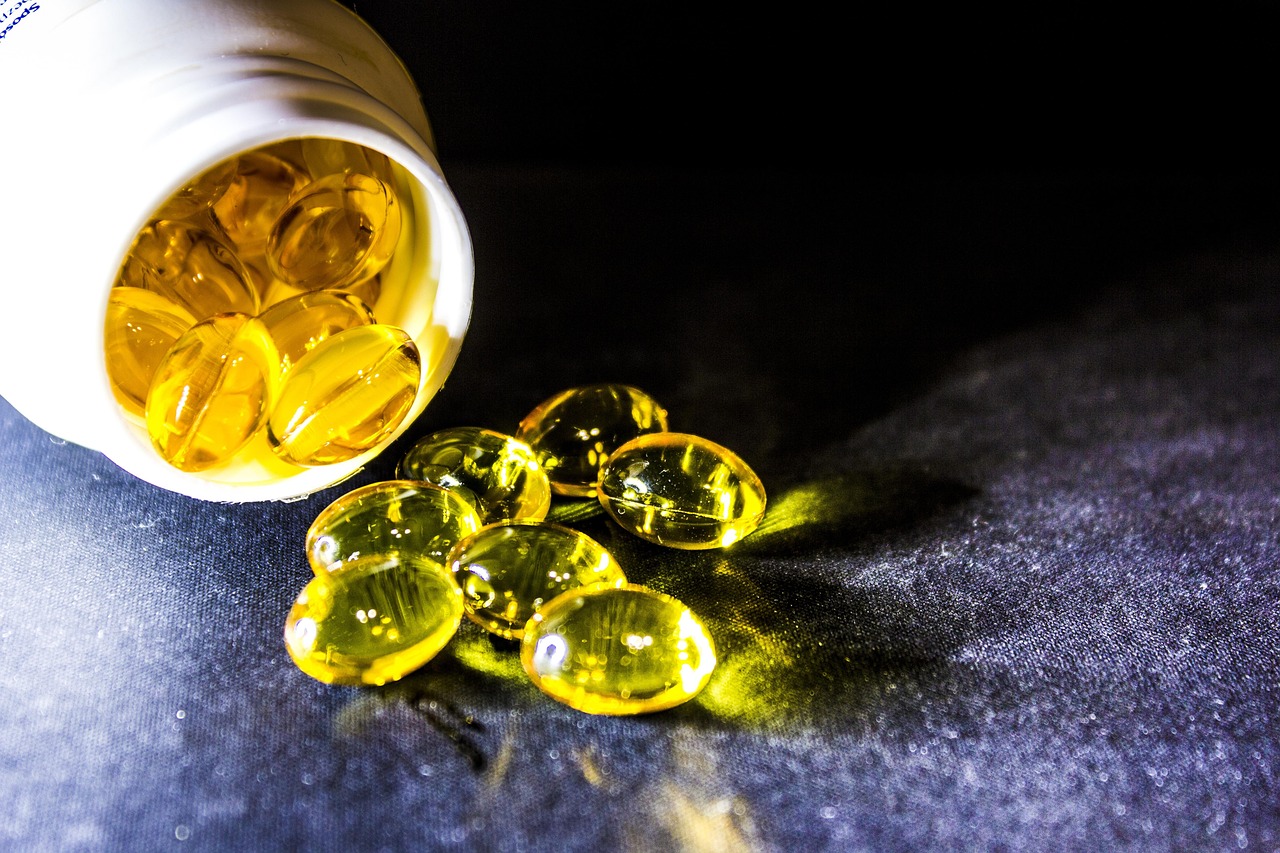
When it comes to choosing Omega-3 supplements for dogs, several factors require consideration. First, ensure the product is specifically formulated for pets, as human supplements can contain ingredients potentially harmful to dogs. Additionally, look for products that include either fish oil or algae oil, both excellent sources of Omega-3 fatty acids. The form of the supplement matters too; liquid forms often offer easier administration compared to capsules or chewables. Dosage recommendations should also be well-defined on product labels, allowing you to provide your dog with appropriate amounts for their weight. It is also crucial to examine each supplement’s purity and quality. Low-quality products can lead to contamination or ineffective formulas. Always opt for brands that commit to third-party testing, which ensures the product’s ingredients are what they claim. Moreover, consider your dog’s preferences; some dogs may not enjoy the taste of certain supplements. Testing a few different options might help you find one that works for your pet. The ideal Omega-3 supplement will not only meet your dog’s needs but also simplify the process of incorporation into their daily routine.
Lastly, while Omega-3 fatty acids deliver impressive health benefits, they should complement a balanced diet rather than serve as a replacement. Combining quality dog food with targeted supplementation creates a holistic approach to health maintenance. Observing how your dog reacts to supplements is also crucial. Changes in behavior, coat quality, or energy levels may indicate the supplements are having the desired effect. Consult your veterinarian if you have concerns about the impacts of Omega-3s on your dog’s health. They can offer comprehensive guidance accompanied with regular check-ups to monitor changes effectively. Regularly keeping tabs on your dog’s health ensures they receive the top-quality care they deserve. Adhering to supplement schedules, dosage adjustments, and ensuring high-quality nutrition form pivotal aspects of responsible pet ownership. Omega-3 fatty acids represent a valuable asset in dog parenting, further promoting the holistic health and well-being of our beloved companions. Overall, a proactive plan that encompasses Omega-3 supplementation can lead to lasting improvements in your dog’s health, aiding them in living their best life.