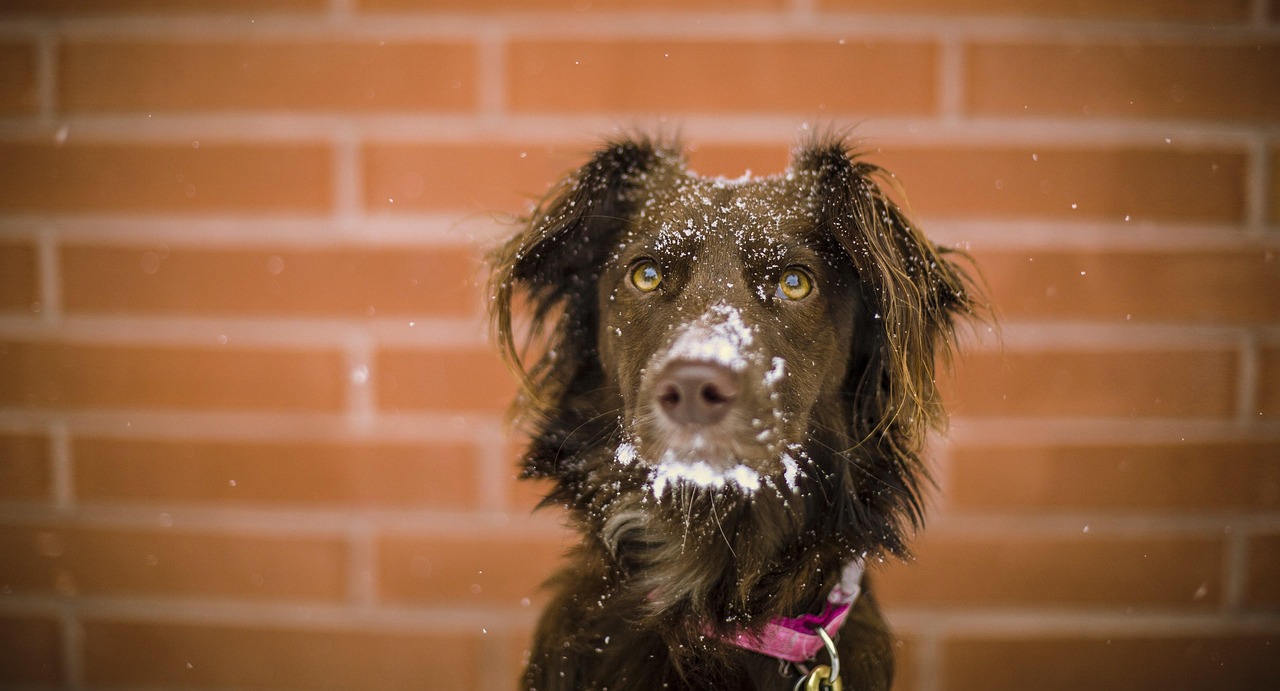

Creating a Cold Weather Routine for Your Dog’s Safety
Cold weather can pose several challenges for dogs and their owners. Developing a routine to ensure your dog’s safety during frigid temperatures is vital. Begin by ensuring that your dog has a warm shelter, which can protect them from harsh weather elements. A properly insulated dog house is essential, providing comfort and safety. It should be elevated to avoid moisture and allow for proper airflow. Additionally, consider blankets to keep your pet cozy. Monitoring your dog’s behavior outside is crucial during cold walks. Look for signs of distress such as shivering or reluctance to walk, indicating they may be too cold. Ensure your dog has adequate protection, like a dog coat for small breeds, which can help retain body heat. Moreover, consider boots to protect their paws from salt, ice, and snow. These measures can prevent injuries and allow your dog to enjoy daily outdoor activities. Lastly, never leave your dog outside too long during extreme conditions, as hypothermia and frostbite are serious threats during cold weather. Following these steps helps ensure a safe and enjoyable experience for your pet throughout winter.
Understanding the Risks of Cold Weather
Cold weather brings numerous risks that pet parents should understand. Firstly, dogs are susceptible to the same temperature extremes as humans. Breeds with short coats or those that are small can suffer quickly in cold climates. Identifying the signs of frostbite and hypothermia in dogs is crucial to taking necessary actions promptly. Frostbite commonly affects the ears, paws, and tail; watch for discoloration or swelling. Hypothermia, however, occurs when a dog’s body temperature drops significantly, leading to lethargy and potential unconsciousness. Another risk is ice ingestion, which can lead to severe gastrointestinal issues. Walking on icy surfaces can pose risks to your dog’s joints and overall stability. Their paws can also be harmed by salt chemicals, ice, or snow. Familiarize yourself with de-icing agents and seek pet-safe alternatives. In battling cold temperatures, consider adjusting your dog’s diet. Additional calories in winter help provide necessary energy to stay warm. Ensuring your dog is well-hydrated is equally important, as they can quickly become dehydrated in the cold. Addressing these risks establishes a solid foundation for your dog’s winter safety.
Despite the chill, exercising your dog remains essential during winter months. Engaging in physical activity helps maintain your dog’s health and keeps them energized. However, it requires some adjustments to ensure safety. Shorten the duration of outdoor walks, especially during extreme cold, and choose the warmest parts of the day for outings. Activities like playing fetch indoors can be beneficial to stimulate your pet’s mind and body while avoiding cold exposure. Consider setting up an obstacle course in your home, using furniture and toys. This not only provides mental stimulation but also strengthens the bond between you and your pet. If you live in an area with significant snow accumulation, consider wearing reflective gear to enhance your visibility during walk hours. This greatly benefits both your dog and you, ensuring you stay noticed. Invest in quality pet gear to help during outdoor play, such as dog jackets or harnesses. Playtime doesn’t have to be reserved for outdoors; indoor games can engage your dog’s senses while keeping them safe away from the elements. Prioritizing exercise keeps your dog happy no matter how cold it gets.
Hyperthermia in Winter: A Hidden Danger
It might sound peculiar, but hyperthermia can occur even in cold weather. Dogs may feel excessively warm when engaging in physical activities, despite low external temperatures. Overexertion can lead to overheating; therefore, adjusting the intensity of exercise is essential. Always check your dog’s vital signs to ensure they are comfortable and healthy during the activity. Provide water breaks regularly, allowing your dog to cool down if needed. Choosing trails or parks that are less crowded can also help manage overexertion rates as they allow for more controlled activities. Additionally, knowing when to stop is crucial. If your dog shows signs of fatigue, such as panting or drooling excessively, take a break immediately. Be mindful of your dog’s physical limitations as senior dogs or those with pre-existing health issues can struggle more severely in cold weather. Eventually, you can adapt your exercise routine around your dog’s needs, focusing on shorter and more frequent walks. Planning ahead can make a significant difference in keeping your dog healthy during colder months. Maintaining an effective exercise schedule ensures they enjoy a winter filled with activity while remaining safe.
Dietary considerations become especially important in the colder months. Your dog may need extra calories to generate warmth and energy to stay active in cold weather. Consult with your veterinarian about adjusting their meals based on their exercise levels and overall condition. It’s vital to ensure your dog receives a nutrient-rich diet that caters to their specific needs. Consider including food with higher protein content, which can help with energy levels. During bitterly cold days, providing warm, wet food can also assist in keeping your dog warm. Similarly, adding healthy fats can help with insulation and energy storage. Hydration doesn’t take a backseat during winter, despite colder conditions. Dogs may not realize they need to drink water, especially if they are indoors. Always ensure they have access to fresh, clean water. Additionally, check regularly for freezing in their water bowls outside. It’s equally important to be aware of potential seasonal hazards like toxic substances found in antifreeze. Ensure your dog stays away from any spills or residues from vehicles. Making appropriate dietary adjustments and monitoring their consumption can allow for an overall healthy winter.
Winter Grooming Tips for Dogs
Winter grooming plays an essential role in your dog’s comfort and safety. Regular grooming keeps their coat in optimal condition, which is vital for temperature regulation. Start by brushing your dog frequently to remove any debris trapped in their fur. This offers necessary insulation while preventing matting, which can leave patches of skin exposed to the cold. Pay special attention to their paws, ensuring there is no snow or ice between their pads, as this can cause discomfort and injury. Trimming hair around their paws can reduce the risk of ice buildup, making walks more pleasant. Regular baths should continue throughout winter, using appropriate products for their coat type. Be cautious with their drying; ensuring they are fully dry before heading outdoors. Consider using moisture-rich shampoos that can support skin hydration during drier months. Some dogs may require humidity or conditioner to keep their skin and fur healthy. Outside of grooming, regularly monitor them for signs of skin irritation or dryness. Taking these grooming steps allows your dog to remain comfortable and happy all winter long. Keeping their grooming routine consistent ultimately aids their health.
Finally, create a safe indoor space for your dog during colder months. This area should be warm, free from drafts, and cozy enough for your pet to unwind. Designate a comfortable bed that allows your dog to curl up safely, ensuring they can find comfort when needed. Consider using blankets that present warmth without overheating. Utilizing room heaters or heated pet beds can help maintain warmth, but be cautious to avoid any hazards. Safety and supervision are paramount when using heating devices. Alongside creating a cozy environment, create a designated area for active play. Make sure toys are readily available for mental stimulation. Dogs often experience boredom indoors, leading to undesired behaviors. Therefore, providing engaging activities becomes crucial. Routines should also include spending quality time with your dog to reinforce social bonds. Utilize interactive games that require minimal space, such as hide and seek or simple fetch with soft toys. Providing a structure enhances their mental well-being and reduces stress. Establishing a warm, safe space ensures your dog’s happiness and health while navigating the challenges presented by colder weather.
This routine not only protects your dog but also ensures they enjoy the winter months to the fullest. Keeping them comfortable and safe allows for stress-free outdoor adventures while embracing the seasonal charm.