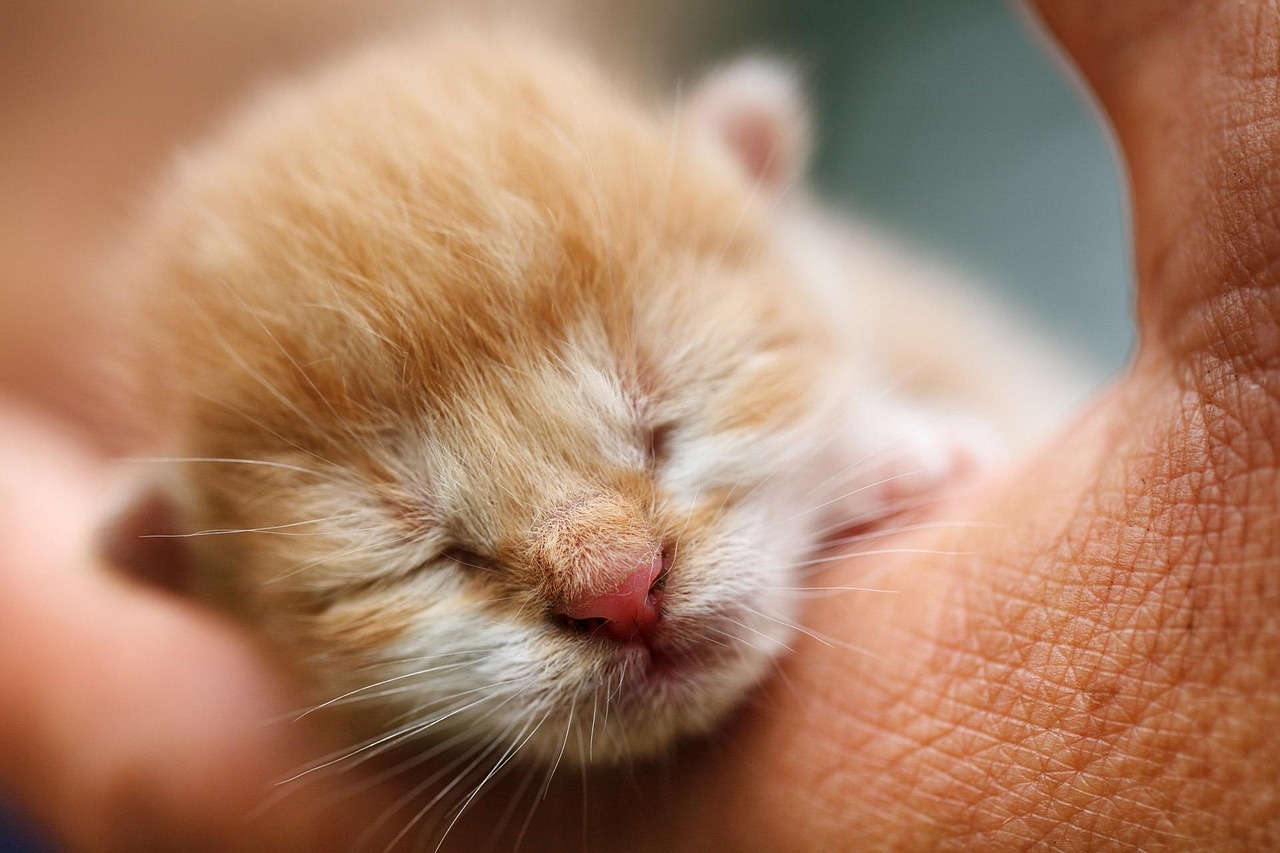

How Much Sleep Does a Kitten Need?
When it comes to kitten care, understanding sleep requirements is crucial for their health and development. Kittens typically need between 16 to 20 hours of sleep each day. This extensive sleep helps support their rapid growth and overall health. Sleeping not only recharges their energy but also plays a vital role in their brain development. Kittens, especially in their early stages, need this sleep to process the information they encounter during their waking hours. Without adequate rest, kittens may become irritable and less playful. Owners should ensure a comfortable sleeping environment for their kittens, providing a safe, quiet, and soft space where they can curl up and snooze. That said, sleep patterns can vary among individual kittens, so it’s vital to observe each kitten’s behavior and adjust care routines accordingly. Engaging with them during play and allowing ample time for sleep will contribute significantly to a happy and healthy kitten. Remember, if your kitten seems excessively sleepy or lethargic, it’s important to consult a veterinarian to check for potential health issues.
Kittens undergo several sleep cycles throughout the day, alternating between deep sleep and light sleep. During light sleep, you may notice them twitching or moving their paws, which is a normal behavior known as REM sleep. This phase is essential as it helps in developing their cognitive skills and refining their reflexes. Understanding these sleep stages is integral for kitten caretakers, as it informs them of when to interact or give the kitten space. If a kitten wakes during deep sleep, it might be disoriented or grumpy. Therefore, learn to differentiate between the sleep cycles to ensure the kitten gets the rest it needs. A consistent sleeping schedule may also help regulate their routine, making it easier to integrate them into family life. Incorporating playtime into their daily activities can also encourage healthy sleep patterns, ensuring they are both physically and mentally stimulated before napping. Safe toys should be offered for play, but always supervise them to prevent any accidents. A healthy balance of activity and rest is key in a kitten’s upbringing, promoting a well-adjusted and thriving feline friend.
A vital point of kitten care is ensuring they feel secure while sleeping. Anxiety and stress can lead to disrupted sleep, negatively impacting their behavior. To mitigate this, consider creating a safe haven where the kitten can retreat and rest. This space can include a cozy bed or blanket positioned in a quiet area of your home where commotion is minimal. Sometimes, introducing familiar scents can also provide comfort, making your kitten feel more secure as they drift off. It’s important to avoid situations that might disturb their sleep, such as loud noises or frequent interruptions. Establishing a peaceful environment can significantly contribute to the quality of their sleep. Also, consider the temperature and general comfort of their surroundings; a well-ventilated area is preferred. Regularly check their bedding and ensure they are clean, promoting overall hygiene and preventing any allergic reactions. By mindfully crafting an ideal sleeping environment, you will help your kitten thrive, ensuring they receive the adequate rest they need to grow strong and become a cherished member of your family.
Common Sleep Issues in Kittens
While sleep is crucial for kittens, there can be common sleep-related issues that pet owners need to be aware of. Some kittens may experience trouble settling down, which can result from environmental stressors or changes in routine. If a kitten is often restless or anxious during sleep, it may indicate that their environment is not conducive to restful sleep. It’s essential to assess surroundings and remove any potential stressors. Changes such as moving homes, introducing new pets, or experiencing unfamiliar sounds can disrupt their sleep patterns. Additionally, kittens may exhibit different sleep behaviors depending on their breed and personality. Variable activity levels can sometimes imply that they need more stimulus during their wakeful hours. Understanding these differences will help owners identify the right balance between play and rest for each kitten. Sometimes, they may have sudden bursts of energy, known as the ‘kitten crazies,’ which can disturb both their own sleep and that of their human companions. Hence, be sure to monitor their behaviors and adjust schedules to establish regular playtime and sleep routines.
Nutrition also plays a crucial role in a kitten’s overall health, influencing their sleep patterns. A balanced diet rich in protein, vitamins, and minerals is essential for their growth. Ensure you provide high-quality kitten food that caters to their specific nutritional needs. Overeating could lead to discomfort, resulting in disrupted sleep; maintain portion control to encourage a healthy appetite. Feed them smaller meals more frequently throughout the day, helping to regulate energy levels and prevent sudden spikes in energy that can lead to hyperactivity at night. Also, consider timing their meals relative to their sleep schedule. Offering food a few hours before bedtime may aid in the natural winding down process for your kitten. Hydration is equally important; ensure fresh water is always available. Sometimes, lack of hydration may contribute to lethargy or disturbances in their sleeping pattern. A well-fed and hydrated kitten is likely to enjoy a more restful sleep, which is vital for its development. Keep a close watch on any changes in eating habits as they may be linked to health issues requiring attention.
As kittens grow, their sleep requirements may adjust. After the age of six months, you might notice that they begin to sleep less, eventually stabilizing around the 12 to 16 hours mark. Understanding this transition phase is vital for caretakers as it signifies their changing developmental needs. Even as their sleep needs change, promoting a consistent sleep schedule and routine remains essential. If you observe changes in their typical sleep patterns, it may be worth investigating with a veterinarian to rule out any health issues or concerns. This includes monitoring for excessive sleepiness or restlessness that seems out of character. Remember that every kitten is unique, and some may require more sleep than others, even as they grow. It’s imperative to remain observant and adaptable to their evolving needs. Engage your kitten in different environments and activities, encouraging balanced growth and ensuring they feel comfortable at home. Changes can prompt curiosity and exploration while still providing a safe space aligned with their sleeping needs and accompanying lifestyle adjustments.
Conclusion
In conclusion, understanding how much sleep a kitten needs is vital in providing proper care and support. The significance of sleep cannot be overstated; it influences not just physical health but also mental and emotional well-being. Kitten owners are encouraged to foster a nurturing environment, facilitating good sleep habits and routines. By ensuring their kittens are provided comfortable sleeping spaces, monitored for health issues, and engaged regularly in playtime, owners can contribute significantly to their kittens’ overall growth and happiness. Consistent observation allows for adjustments to be made as the kitten matures, reflecting their individual needs and circumstances. Implementing these strategies will help you as a pet owner to create a loving environment, ensuring your feline friend is well-rested and ready to explore the world. Monitor their eating habits, activity levels, and emotional state to achieve the best results. In doing so, not only will you revel in the joy of watching them grow, but you will also build a solid foundation for a healthy, thriving, and affectionate pet that can become a cherished part of your family.
Furthermore, educating yourself about kitten care will arm you with knowledge to troubleshoot any challenges you may face regarding their sleep habits. Many resources are available, including veterinarian articles and online forums dedicated to pet care. Engaging with fellow kitten owners can provide valuable insights and tips tailored to your circumstances. Look into joining communities where shared experiences create a supportive network enabling solutions to be found collaboratively. In addition, remember that gentleness and patience are essential attributes when dealing with kittens, specifically during times of adjustment or discomfort. Keeping in mind that kittens are still learning about their environment will create a compassionate atmosphere. Each interaction contributes to their learning and helps solidify trust between you and your kitten. As you continue on your journey of pet ownership, strive to keep learning, adapting, and sharing experiences with others. Your hard work and dedication to understanding your kitten’s needs will lead to a satisfying companionship filled with joy and love, enhancing your life and that of your new furry friend. Conclusively, a well-cared kitten is a happy one.