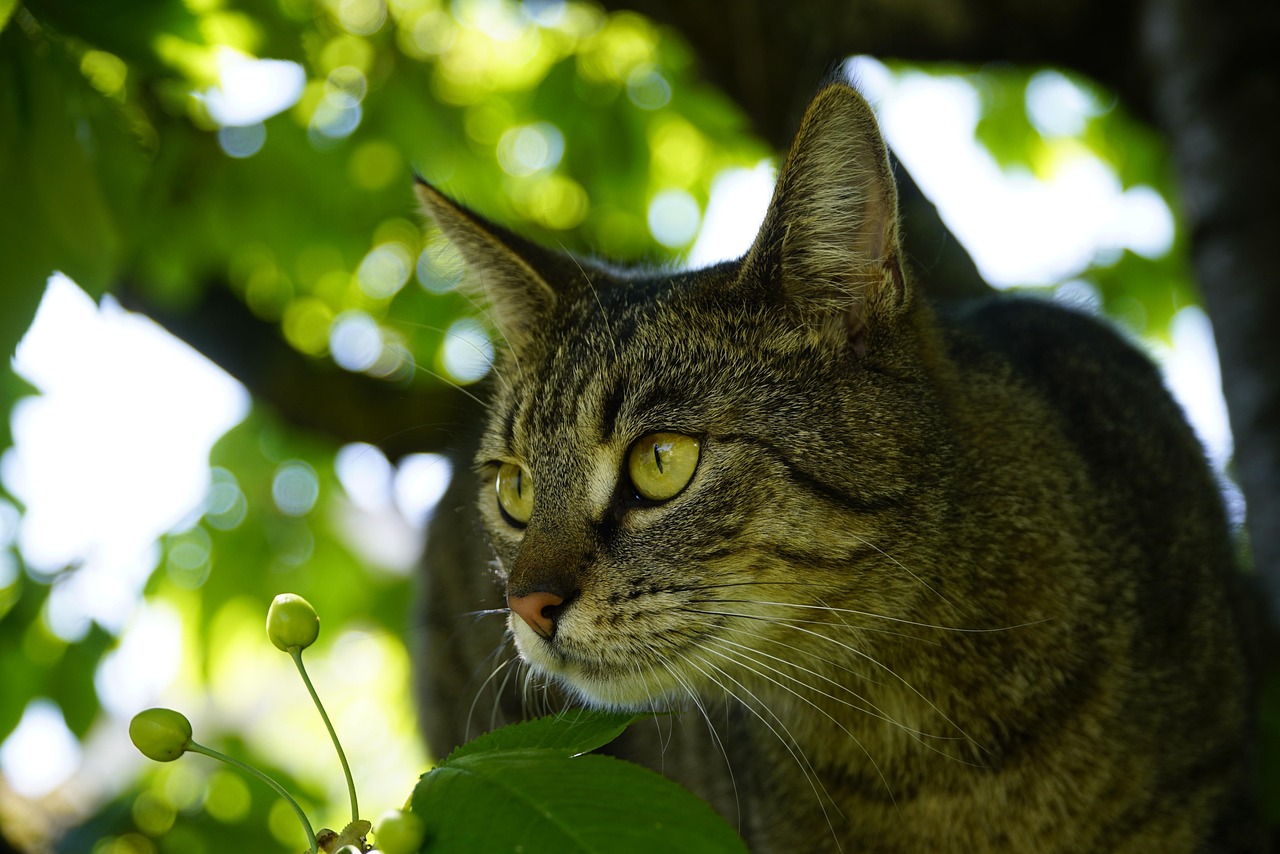

How to Address Tail Chasing Behavior in Cats
Tail chasing in cats is a fascinating behavior that can sometimes become problematic. Many felines exhibit this quirky habit, often spinning and pouncing upon their tails as if they are furry toys. It’s important for cat owners to understand that while this behavior can be entertaining, it may also indicate underlying issues. Understanding why a cat chases its tail is crucial to addressing the behavior. Common triggers can include boredom, anxiety, or even health problems. Therefore, observing your cat’s overall behavior and environment is essential in deciphering the motives behind tail chasing. If your furry friend appears excessively excited, nervous, or distracted, these signs could indicate that something deeper may be amiss. In such cases, consulting with a veterinarian may provide valuable insights. Additionally, it is crucial to monitor for any signs of injury or distress that may be related to this behavior. This way, you ensure your cat’s well-being while finding effective solutions to mitigate this behavior. Addressing the root causes can significantly improve your cat’s quality of life and also strengthen your bond with your pet over time.
Several environmental factors can contribute to a cat’s tail chasing behavior, and modifying these factors may help alleviate the problem. To create an engaging environment, it’s essential to provide your cat with ample stimulation both physically and mentally. Invest in various toys that can excite your cat, such as feather wands or interactive puzzle toys. Regular playtime is vital, as it helps expend your cat’s excess energy, which could otherwise lead to tail chasing. Additionally, consider creating a safe outdoor space where your cat can explore and engage its natural instincts. Cats enjoy climbing, scratching, and hunting, and these activities can reduce boredom levels at home. Another effective approach is to make sure your cat has enough territorial space, which can reduce signs of anxiety. If multiple pets are present, ensure that every pet has its own space to retreat. These adjustments will provide your cat with a secure, engaging atmosphere and can significantly reduce its tail chasing. Always remember, each cat is unique, and adjusting to their specific needs is essential for a happy, healthy feline.
Identifying Underlying Health Issues
In some cases, tail chasing behavior may be a symptom of underlying health issues. It’s essential to recognize and address these problems early on to prevent further complications. Cats may engage in tail chasing due to pain or discomfort caused by certain medical conditions, such as flea infestations, allergies, or arthritis. If you suspect that your cat’s tail chasing might be linked to pain, a professional veterinary checkup is crucial. A veterinarian can perform tests to determine any specific physical concerns that could be causing the behavior. Additionally, certain neurological disorders can also manifest in unusual behaviors, including tail chasing. Monitoring your cat’s overall health, including regular vet visits, can help in identifying such issues quickly before they escalate. Observations regarding appetite, weight changes, and litter box habits should also be documented and shared with the veterinarian. By prioritizing your cat’s health, you are not only ensuring their well-being but also working to reduce tail chasing caused by pain or illness. Understanding the link between health and behavior can empower you to take appropriate action.
Incorporating stress-reducing techniques and enriching activities into your cat’s routine can also help address tail chasing. Stress is a common factor that can lead to excessive behaviors in cats, including tail chasing. To alleviate stress, consider using pheromone diffusers that mimic natural feline scents to help calm your cat. Providing vertical spaces, such as cat trees or shelves, allows your cat to retreat when needed, alleviating feelings of insecurity. Furthermore, maintaining a consistent daily routine can provide a sense of security for your cat, minimizing anxiety. Make engaging play a part of your daily schedule to keep your cat mentally stimulated and physically active, which can redirect its focus away from tail chasing. You can also create hide-and-seek games or treasure hunts with treats to encourage natural hunting behavior, making the environment more stimulating for your feline. It’s important to engage your cat daily, as neglecting these needs can lead to behavioral issues. Reducing stress levels and providing enrichment can significantly help in reducing your cat’s tail chasing behavior and enhance its overall happiness.
Behavioral Modifications
If tail chasing behavior persists after addressing potential health issues and environmental factors, you may need to consider behavior modification strategies. Training your cat to redirect this behavior can be an effective approach. When your cat begins chasing its tail, distract it with a loud sound like a gentle clap or with a favorite toy. By associating the tail chasing behavior with a negative stimulus, you can help your cat learn to focus on appropriate activities instead. Reinforcing positive behaviors is also essential; rewarding your cat with treats or praise when it engages in acceptable play can create a positive feedback loop. Additionally, consistency is key. It may take time for your cat to change its behavior, but patience and reinforcement can make a significant difference. You might also consider consulting with a feline behaviorist who can provide tailored strategies specifically designed for your cat’s needs. With these techniques, you can work together to help reduce or eliminate tail chasing behavior, ensuring a happier and more balanced environment for your furry companion.
Tail chasing can become a challenging issue for many cat owners, but with dedication, it is possible to manage this behavior effectively. Encouraging varied forms of enrichment and regular playtime is vital to preventing boredom, which can lead to tail chasing. Always pay attention to your cat’s needs, providing an environment that allows for physical exercise and mental stimulation. Remember to closely monitor your pet for health-related issues, which could lead to or worsen tail chasing behavior. Taking proactive measures by creating a safe and engaging atmosphere can greatly benefit your cat’s well-being. In instances where behavior modification techniques are needed, consistency is essential in helping your feline learn new habits. It’s fundamental to be patient as changing behavior can take time but remember that every interaction plays a crucial role. Providing love and support will reinforce your bond as you work together during this process. Tail chasing can be a sign of various influences on your cat’s life, from health issues to environmental stressors. By addressing these areas, you can create a better living experience for both you and your pet.
Seeking Professional Help
Sometimes, despite the best efforts, cat owners may find themselves struggling to manage tail chasing behavior. In such situations, seeking professional help from a veterinary behaviorist or animal trainer may be the best course of action. These experts can provide invaluable insights and solutions tailored to your cat’s unique situation. They can conduct a thorough behavioral assessment to identify underlying issues, recommend interventions, and foster overall well-being. In addition, these professionals can share specialized training techniques that may not be widely known or utilized by general pet owners. Creating a custom behavior modification plan ensures that the strategies are effective and specifically designed to meet your cat’s needs. Professional consultations can also guide you through the process of managing behavior in a positive, constructive manner. Always be open to advice and suggestions from experts, as they have experience with a variety of cat behaviors. Potential solutions not only transform your cat’s behavior but can also provide you with peace of mind, knowing you are effectively addressing a concerning issue. You and your cat deserve to enjoy a happy life together, free from anxiety or behavioral struggles.
In conclusion, dealing with tail chasing behavior in cats requires a multifaceted approach. By understanding the motivations behind your cat’s actions, watching for health-related issues, and making the necessary environmental modifications, you can help reduce this behavior. Engaging in regular play, providing enrichment, and incorporating stress-relieving techniques can foster a happier and healthier feline. If more intensive behavior modification is needed, professional consultations can guide you toward effective solutions. Be patient through this journey; each cat responds differently to various strategies, and finding the right balance may take time. Ultimately, prioritizing your cat’s physical and emotional well-being is key to mitigating tail chasing and enhancing its overall happiness. With commitment and care, tail chasing can become a thing of the past, allowing for peaceful coexistence in your home. Building a strong bond with your cat through understanding, love, and interaction will lead to a fulfilling relationship. Remember that change is possible, and seeing your cat thrive will make the effort worthwhile. Take pride in creating a nurturing environment that allows your furry friend to express their true self while promoting positive behaviors.