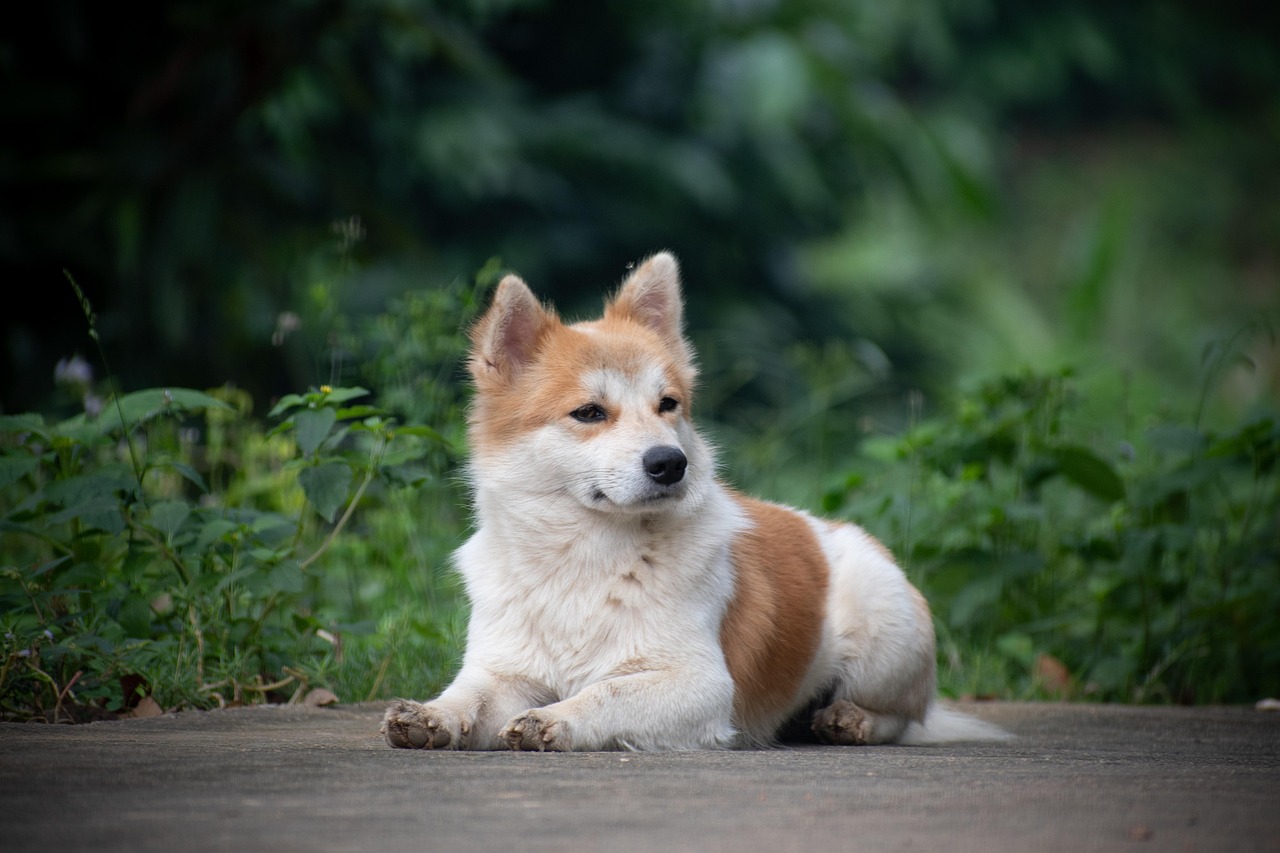

How to Capture Candid Moments of Your Dog Outdoors
Capturing candid moments of your dog outdoors is an exciting venture. To achieve stunning photography, consider the location where you will shoot. Choose a location that your dog enjoys, such as a park, beach, or forest. Look for spots with interesting backgrounds or vibrant colors to make your photos pop. Timing is crucial too; golden hours, shortly after sunrise or before sunset, offer beautiful lighting conditions. These periods generate soft, warm light that gives your images an enchanting glow. Be patient when observing your dog’s behavior to foresee moments worth capturing. Keep a low profile and let your dog explore freely. Always be prepared with your camera in hand, as the most delightful moments often occur spontaneously. Make use of natural elements around you, like trees or flowers, to frame your shots creatively. This adds depth and context to your photography. Lastly, ensure your equipment is ready for action; have extra batteries and storage cards nearby. With careful planning and an attentive approach, capturing your dog’s candid moments outdoors will become a fulfilling hobby.
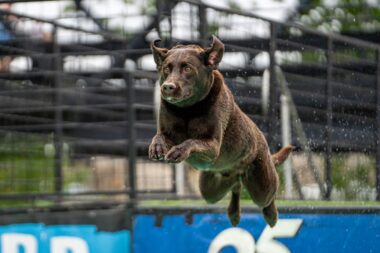
Another great aspect of outdoor dog photography is understanding your dog’s personality. Each dog possesses unique quirks, and knowing these traits allows you to anticipate behavioral patterns. Always be ready with your camera to seize the perfect shot. Let your dog roam, play, and interact with their environment for authentic pictures. Use treats to keep their attention and guide them to desirable poses. A playful dog jumping through the air or catching a frisbee makes for fun, exciting photos. Try using a longer lens to capture action shots from a distance without disrupting your dog’s spontaneity. Close-up shots that reveal your dog’s joyful expressions tell powerful stories too. Don’t hesitate to change angles and perspectives to find the most engaging compositions. Low-angle shots, for instance, can transform a standard photograph into a striking and captivating one. Additionally, blending movement and stillness adds dynamism to your photographs. One moment, capture your dog sniffing flowers; the next, freeze them mid-leap. Embrace the creativity that comes with candid outdoor photography, showcasing each dog’s distinctiveness beautifully.
Utilizing Natural Light
Natural lighting plays a vital role in outdoor dog photography. Harnessing the sun’s rays effectively can drastically enhance your images. During midday, the harsh lighting can cast unflattering shadows, so it’s best to avoid shooting then. Instead, focus on the softer light available during early mornings or late afternoons. If you’re shooting under bright sunlight, consider locating shade or backlighting techniques. To create aesthetically pleasing images, experiment with the angle of light. Position the sun behind your dog for striking silhouettes or capture the soft side light that highlights their fur texture. Ensure you’re monitoring the light as it changes throughout the day; a cloud passing over can present brief ideal conditions. Watch for reflections from surfaces like water or sand; they can add magical touches to your photos. Use reflectors to bounce light onto your dog, illuminating them gently. Applying these techniques will greatly enhance the atmosphere of your outdoor shots, adding depth and warmth that captivates viewers. By mastering natural light, you’ll elevate your photography and successfully capture your dog’s authentic personality.
Equipment selection is another crucial aspect of outdoor dog photography. While you don’t need a professional camera to capture incredible images, choosing the right gear can make a difference. DSRL or mirrorless cameras offer versatility, but smartphones are fantastic tools too, thanks to their improved lenses and features. Consider investing in a fast lens; such lenses can open up more opportunities in challenging light. For action shots, opt for a lens with a wide aperture, enabling quick shutter speeds. A tripod may also aid stabilization for sharp images, especially in low light. Always ensure your memory cards are empty, and batteries are charged before your shoots. A versatile camera bag helps keep your equipment organized and protected. Look for weather-resistant options, especially when working outdoors, as you may face unexpected changes. Carry a lens cleaning cloth to keep the glass spotless from dust or moisture. However, don’t let gear stress you; focus more on being creative. Remember, the moment is fleeting, so it’s crucial to respond quickly! With practice and the right tools, your photography skills will naturally improve.
Composition Techniques
Composition is the cornerstone of any captivating photograph. Familiarize yourself with basic principles, such as the rule of thirds, to create visually balanced images. Position your dog within intersecting lines rather than in the center; this technique leads to more interesting compositions. Observe your surroundings to use natural frames; play with elements like trees, bushes, or paths to draw focus to your dog. Explore varying perspectives, shoot from ground level, or get high-up to discover new angles that can transform the ordinary into the extraordinary. Leading lines and symmetry can guide the viewer’s eye. Additionally, strive for diversity in your shots; combine different compositions in a series, juxtaposing wide shots with tight close-ups. Experimenting maintains your creative edge and keeps your audience engaged. Emphasize the environment by showcasing your dog running through a field, illustrating their connection to nature. Remember, composition is more than simply following rules; it involves your artistic instincts. Trust your gut, adjust as necessary, and most importantly, have fun throughout the process. Captivating compositions emerge from creativity and spontaneous inspiration.
Furthermore, engaging with your dog during outdoor shoots creates a comfortable and relaxed atmosphere. The bond between you and your dog enables your subjects to feel more at ease. Communication helps establish familiarity; converse with your dog, use their name, and associate sounds with fun activities. To spark genuine curiosity, present toys, or throw a ball to capture their excitement as they leap to retrieve it. This authenticity translates into emotional photography. Another way to promote enthusiasm is to walk alongside or behind your dog, following their pace. Your candid captures will reflect the spirit of outdoor adventures, filled with joy and liberty. Additionally, consider using a long leash to allow exploration while maintaining control. This method encourages movement and spontaneity while ensuring safety. Pay attention to background distraction; if present, adjust your position for optimal background clarity. Mind the surroundings, as intriguing elements can enhance the image story. Be observant; the perfect moment can sometimes occur when least expected, such as spotting your dog gazing at a butterfly. These enchanting moments will convey a story more effectively than posed shots.
Editing and Final Touches
Finally, post-processing offers a fantastic opportunity to refine your outdoor dog photography. Gaining proficiency with editing software can dramatically elevate your images’ final appearance. Begin by cropping and adjusting composition to achieve the ideal framing you envisioned. Correct exposure and contrast balance to ensure your subject stands out against backgrounds. Furthermore, play with color saturation to amplify the vibrancy of your photographs, making your dog’s fur colors pop. Pay close attention to highlights and shadows, which can create depth within an image. Sharpen details for clarity, especially in close-up shots where texture matters significantly. Consider using filters or presets to convey different moods, such as warm tones for an inviting feel or cooler hues for a calm atmosphere. Always save a copy of the unedited image; this allows for flexibility should you want to revert or alter any previous changes. Sharing your artwork on social media or photography forums helps you gain feedback from fellow dog lovers. Lastly, continue practicing your skills; each shoot provides a valuable learning experience and expands your photography potential!