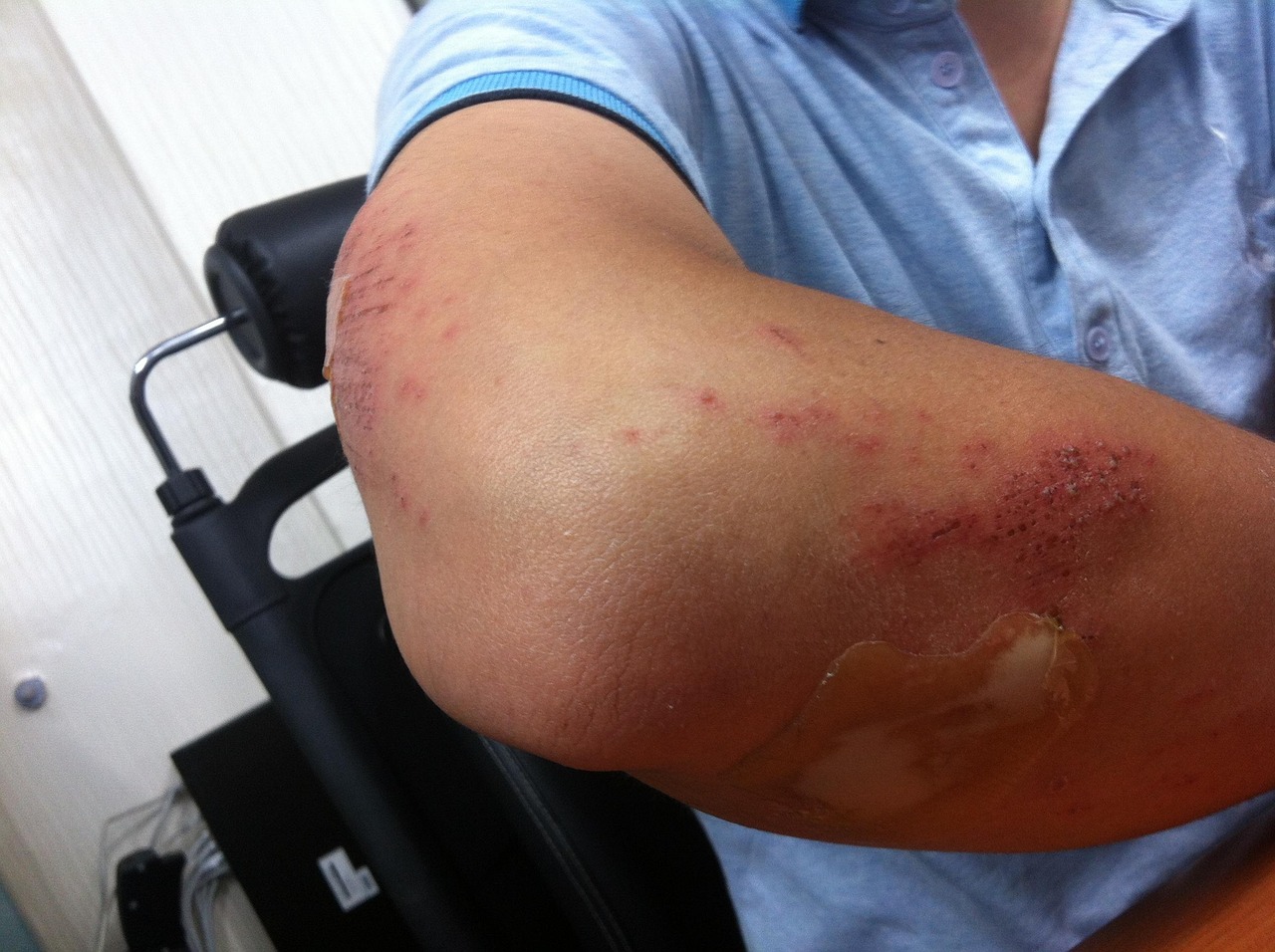

How to Handle Minor Cuts or Scrapes After Dog Exercise
After a vigorous exercise session, it is crucial to check your dog for minor injuries such as cuts or scrapes. These can happen easily when your dog navigates through bushes, sharp grass, or other rough surfaces. To effectively handle these injuries, a thorough inspection is necessary. Begin by having your dog sit or lie down in a calm and secure area. Gently run your hands over their body, focusing on the paws, legs, and belly. Look for any signs of bleeding or irritation. If you find anything unusual, resist the urge to panic and take a deep breath. Staying calm helps both you and your dog. If the cut or scrape appears minor, you can treat it at home, but if it looks significant or deep, a visit to your veterinarian is recommended. Allow your dog to remain calm during the inspection, as any sudden movements may exacerbate the injury. Providing comfort during this time is key to helping them feel at ease while you assess their condition and formulate a treatment plan.
Once you have inspected your dog, your immediate action will depend on the severity of the injury. For minor cuts and scrapes, you’ll want to clean the area thoroughly before applying any ointment. Use lukewarm water to rinse the wound, removing any dirt or debris. A gentle stream is usually adequate, and a soft cloth can help in the cleaning process. Avoid using alcohol or hydrogen peroxide, as these can be too harsh and delay healing. After cleaning, dry the area gently with a clean towel. Applying a pet-safe antiseptic ointment can promote healing and protect the wound from infection. Use a small amount and gently spread it over the affected area. You should keep an eye on the wound for a few days, looking for signs of infection like redness, swelling, or increased discharge. If any of these symptoms appear, consult your veterinarian promptly. Keeping the wound clean is essential, so ensure that your dog doesn’t lick at it, which could introduce bacteria and prolong healing. Consider using an Elizabethan collar to prevent them from reaching the wound.
Recognizing When to Seek Veterinary Care
While minor scrapes can typically be treated at home, there are instances when veterinary care is necessary. If the cut continues to bleed after 10 minutes of applying gentle pressure, it indicates a more severe injury requiring professional attention. Similarly, if your dog shows signs of distress, such as whining, excessive licking, or avoidance behavior, it may be time to see a vet. Additional signs that warrant a visit to the veterinarian include deep lacerations that expose underlying layers or foreign objects embedded in the wound. If you notice increased swelling, redness surrounding the cut, or an unpleasant odor, these are red flags of possible infection. Also, if your dog seems lethargic or refuses to eat following the injury, it is critical to seek medical advice as soon as possible. Ensuring your dog receives appropriate care leads to optimal recovery. Follow your veterinarian’s recommendations regarding aftercare instructions to facilitate the healing process. Prompt attention to wounds can prevent complications and lead to a quicker return to normal activity levels for your beloved pet.
When treating minor cuts at home, it is also vital to monitor your dog’s overall behavior and health closely. Pay attention to their eating, drinking, and sleeping patterns. Changes in these behaviors may indicate pain or discomfort, potentially signaling that the injury is more severe than it initially appeared. You can also check body temperature in case your dog exhibits any unusual behavior. A normal temperature for dogs is around 101 to 102.5 degrees Fahrenheit. If you find a significant change in their temperature, reach out to a vet for advice. Additionally, keeping your dog’s environment clean and stress-free promotes quicker healing. Avoid rough play or over-exercise until the wound has healed completely. Consider setting up a comfortable space with their favorite blanket and toys to encourage rest. Following these guidelines will enable your dog to recover comfortably while minimizing the chances of developing complications. Remember, attentive aftercare not only assists in healing cuts but helps maintain your dog’s overall well-being, allowing them to return to their playful, vibrant selves sooner.
Preventing Future Injuries During Exercise
Preventing cuts and scrapes during playtime can be challenging, but with some strategies, you can reduce the likelihood of injuries while your dog exercises. Firstly, consider the environment where your dog is allowed to play. Avoid areas with sharp objects, stickers, or rough terrains that may harm your pet. Instead, opt for smoother surfaces or designated dog parks designed for safe play. Regular grooming also helps by keeping your dog’s coat free from mats and tangles, which can lead to skin irritations. Additionally, choosing appropriate outdoor gear such as protective booties can minimize the risk of paw injuries on rocky or uneven ground. Keeping your dog’s nails trimmed reduces the chances of scrapes caused by catching on branches or other hazards. Furthermore, supervising your dog during active play is essential. Open communication with fellow pet owners about play and monitoring interactions can promptly address any risky situations. Investing time in proper preparation and supervision can safeguard your dog’s health and ensure injury-free enjoyment during outdoor activities.
If accidents occur despite your best efforts, it is beneficial to have a pet first aid kit readily available. A kit should include essentials such as antiseptic wipes, gauze, adhesive bandages, tape, and a pet-safe antiseptic spray. Familiarizing yourself with the contents of the kit allows for a swift response during emergencies. Learning how to bandage wounds effectively serves as an invaluable skill in pet ownership. Take time to practice with your own pets under safe circumstances to become comfortable with first aid techniques. This can also enhance your skills in handling them during exercise sessions or playdates. Being proficient in first aid not only prepares you for cuts and scrapes but also equips you to handle other potential emergencies. In case of severe injuries, such as puncture wounds from bites or deeper cuts, always prioritize a visit to the vet. Understanding the importance of preparedness allows for a confident approach to ensuring your dog’s safety during activities, promoting a balanced and enjoyable active lifestyle.
Aftercare Tips for the Healing Process
Once your dog’s minor cut or scrape is treated, proper aftercare is crucial to support the healing process. Begin by ensuring that your dog has a designated area that is clean and free of irritants. Keeping the wound dry and clean is essential in preventing infection. Change any bandages regularly and be diligent about monitoring the wound for any changes. Observe your dog’s behavior closely, and if they seem to be in pain, consult your veterinarian for pain-management options. Another key aspect of aftercare is to limit your dog’s activity during the healing period. Leash walks may be necessary until the wound has healed to prevent further injury. Further, some dogs may benefit from wearing a recovery suit or a soft cone to prevent licking. Incorporating better nutrition, such as foods rich in omega-3 fatty acids, supports the healing process as well. Pay attention to any signs of complications, like swelling or redness around the wound area. Ensuring proper aftercare ultimately leads to better health outcomes and a faster, smoother recovery.
Finally, aftercare doesn’t end after treating a single cut. Continuous education on your dog’s exercise habits and environments allows you to adjust accordingly over time. Regular check-ups with your veterinarian will enable you to assess your dog’s general health status and prevent future injuries. Regular health assessments can spot potential issues. Additionally, establishing a routine for inspecting your dog at the end of each exercise session helps you catch emerging injuries early. Encouraging good hygiene practices not only aids in safeguarding against infections but also promotes a trusting relationship between you and your pet. Remember, minor cuts and scrapes are part of being an active dog owner, but by adhering to best practices in aftercare and preventing injuries, you can enjoy many safe, fun-filled outings with your furry friend. Ultimately, a proactive and informed approach leads to healthier and happier experiences for both you and your dog as you play and exercise together.