
How to Manage Feeding Multiple Dogs Safely
Feeding multiple dogs can be a delightful experience, but it also presents unique challenges. Ensuring that each dog gets their right portion of food is vital to maintaining their health and well-being. Start by establishing a feeding routine that works for all dogs in your household. This routine can help reduce anxiety and ensure that each dog knows when to expect their meal. Make sure you provide separate feeding areas to avoid competition. Individual spaces can help minimize distractions and reduce potential conflicts. It can be helpful to train your dogs to stay in their designated areas during feeding times. Having them sit calmly while you serve the food will allow you to manage the situation better. Pay attention to the type of food you are serving, as some dogs have allergies or dietary restrictions. Be cautious about using food that might cause distress to other dogs. Using feeding mats can also help contain mess while preventing spills, making cleaning easier after mealtime. Remember to supervise mealtime to ensure certain dogs aren’t hogging food or getting too aggressive. This practice fosters a peaceful atmosphere during feeding times.
Next, consider the types of food that you’ll provide for your pets. Consult with your veterinarian to choose the best food options suitable for each dog’s specific needs. Different breeds, ages, and sizes often require distinct nutritional support. Make sure to label each dog’s food container clearly, so you avoid accidentally providing the wrong food. It is wise to monitor their weight and adjust feeding portions accordingly. Regular weigh-ins can help you catch any potential health issues early. Establishing feeding schedules can also make managing multiple dogs easier. Feeding dogs at the same time daily fosters a sense of expectation and discipline. Moreover, feeding smaller meals throughout the day may be beneficial for some dogs, particularly puppies or those with metabolic concerns. To further promote good eating habits, avoid switching food brands suddenly. Gradually introduce new foods by mixing with the old. This process helps to prevent digestive issues that can arise from abrupt dietary changes. Finally, observe your dogs during meals, as this can help you identify any potential eating issues or food preferences among them. Doing so will facilitate a calm and harmonious feeding environment.
Creating a Positive Feeding Environment
Creating a positive environment during feeding times is essential for ensuring safety and compliance. Noise and distractions can lead to food aggression or anxiety among dogs. To create a calm atmosphere, minimize distractions by turning off the TV and avoiding sudden movements. Additionally, devote attention to each dog during feeding times. This one-on-one time encourages positive associations with meal times. As your dogs eat, observe their behavior. Take note if one dog tends to dominate during mealtime. This observation can help you tackle any behaviors that may lead to competition over food. If you find this occurring, consider offering meal times in separate rooms or using a baby gate to provide physical barriers. Many pet owners also utilize feeding puzzles to keep dogs preoccupied and engaged. These can slow down their eating and stimulate their minds. Dogs benefit physically and mentally from interactive feeding practices. Reward good behavior during mealtime with positive reinforcement. Praise, treats, or simply giving attention can encourage dogs to display appropriate mealtime behavior. Establishing a positive feeding environment will promote healthy habits and relationships among your pets.
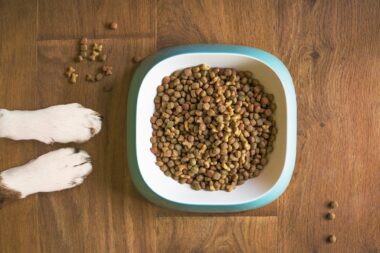
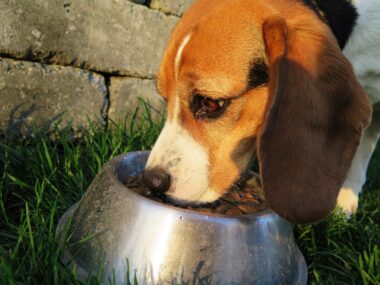
Another essential aspect of multi-dog feeding is monitoring portion control. Ensure each dog receives their specific portions carefully measured beforehand. Using a kitchen scale can help you weigh food accurately. This accuracy prevents overfeeding, which can lead to obesity-related health issues. Moreover, using separate bowls for each dog is crucial for health and hygiene reasons. Feeding multiple dogs from the same bowl increases the risk of spreading infections or bacteria. After meals, promptly wash each bowl to maintain cleanliness and reduce undesirable odor. Consider implementing a feeding routine that aligns with their immediate energy needs. Active dogs may require more nutrients, while older dogs may need smaller portions. Some dog owners also find that training their pets to wait for their food until given a command helps maintain order during mealtime. Teaching a specific command like “Go Ahead” can make feeding times smoother. Over time, each dog will learn the routine, making feeding a more manageable task. Ultimately, consistency is key. By keeping these practices in mind, you can foster a safer and healthier mealtime for all your furry friends.
Understanding Dog Behaviors During Feeding
Understanding dog behaviors during mealtime can assist in managing a safe feeding process. Some dogs may display protective behaviors over their food, especially with unfamiliar circumstances. It’s essential to recognize when these behaviors occur to preemptively address potential issues. Being aware of subtle signs of aggression, such as growling or snapping, is vital. If you notice such behavior, do not scold the dog but redirect their attention to positive alternatives. Reinforce calm behavior by providing extra support. It is a good idea to train your dogs to respect each other’s food space. Utilize techniques such as “leave it” commands, which teach pups not to invade another dog’s feeding area. Furthermore, consider providing toys or treats during meal prep to keep them engaged. This redirection can prevent unwanted behaviors from escalating when food is present. Regular desensitization exercises during mealtime can also help the dogs adjust to being near each other while eating. Engaging in activities like feeding side by side with positive reinforcement can build confidence and respect among the dogs. Therefore, understanding their behavior while feeding promotes coexistence among your pets, leading to healthier dynamics.
To ensure the process remains under control, it’s essential to prepare for potential challenges. Be proactive and invest in pet gates or barriers to create safe spaces for each dog. Introducing new dogs into a multi-pet household can sometimes lead to conflicts at mealtime. Having a designated area prepared for newcomers can ease this transition. Additionally, consider consulting with a pet behaviorist if feelings of aggression persist. Understanding the source of disharmony will help you address common issues. It is also crucial to incorporate regular health checks with your veterinarian to assess individual dietary needs. Dog bodies change, and their food requirements may vary with growth, age, and health. Make note of any noticeable changes in behavior or health, as they may indicate underlying issues impacting their feeding habits. Providing support through various feeding strategies can also promote healthier dynamics in multi-dog households. Having multiple feeding stations can minimize competition while promoting a relaxed atmosphere. Focus on creating a routine that both you and your dogs are comfortable with. Maintaining this, along with continued education on multi-dog feeding, fosters a peaceful environment during mealtimes.
Conclusion
In conclusion, managing feeding practices for multiple dogs requires attention, planning, and understanding. By establishing a routine that includes individual feeding areas, monitoring portion sizes, and being observant of dog behavior, you will lay the foundation for successful feeding experiences. Continuously training your dogs to respect one another’s space will enhance their interactions. Engaging with them positively during meal prep contributes to a conducive feeding atmosphere. The importance of regular health checks can often be overlooked but is essential for ensuring each dog gets the nutrients they need without negative consequences. Additionally, staying consistent with feeding schedules fosters anticipatory behavior, leading to a harmonious experience. You should also adapt to and accommodate each dog’s unique needs within this shared environment to foster goodwill among all pets. With time, these practices will promote a healthy lifestyle and encourage a safe living space. Remember, the goal of managing multiple dog feeding practices is not only to ensure nutrition but also to strengthen the bond between you and your furry companions. With these strategies in place, you can confidently manage a multi-dog household while contributing positively to their overall well-being.