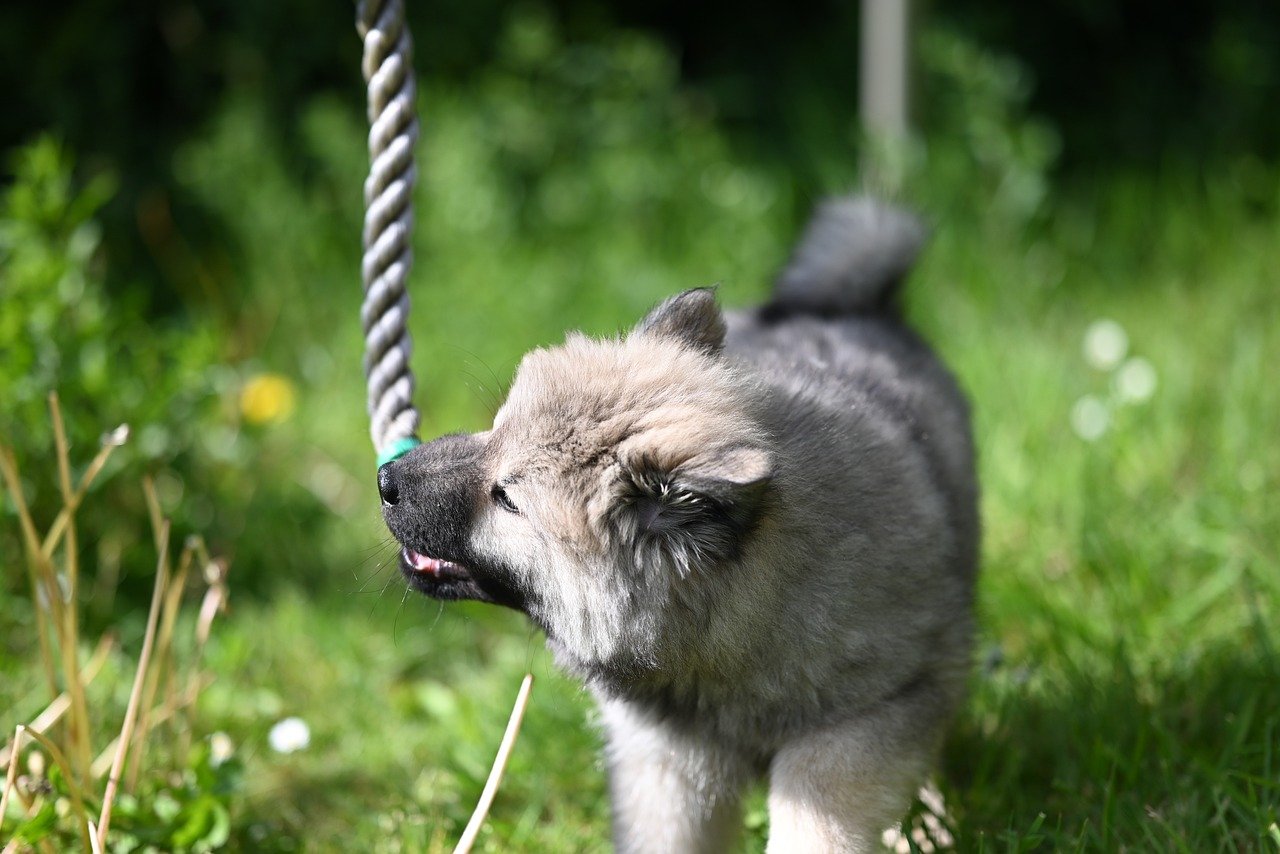

How to Restore Worn Out Dog Rope Toys
Dog rope toys are beloved playthings for many dogs, offering both entertainment and dental benefits. Over time, they can become worn out and frayed, leading to a potential safety hazard if fibers are ingested. However, restoring these toys can save money and reduce waste. The restoration process involves assessing the toy’s condition, repairing it, and maintaining its integrity. Begin by examining the rope toy for any breaks or loose threads. Cut away the frayed ends to prevent your dog from swallowing any loose material. This will also prepare the toy for further repair measures. A great way to reinforce the structure is to braid new pieces of rope into the existing strands. Choose a similar thickness and color of rope for a cohesive look. If you lack matching rope, consider using fabric strips as an alternative. Secure ends with strong knots or sewing to keep them in place. You might also want to introduce knots in various sections of the toy to encourage chewing. This step not only keeps your dog engaged but also helps maintain the toy’s durability. After repairs, supervise your dog during playtime.
Materials You Will Need
Before you start the restoration project on your dog’s rope toy, gather all necessary materials. This preparation will streamline the process and improve effectiveness. You will need sturdy ropes or fabric strips, scissors, strong thread, and needles. Selecting the right ropes is crucial for durability. Look for cotton, as it’s both strong and safe for your pet. Using fabric strips can also introduce a fun texture and color variations. Scissors will help you cut away frayed ends cleanly, while needles and thread will serve for sewing any loose areas tightly. When choosing thread, opt for a thick, strong type, as it will withstand your dog’s chewing while providing security. You can find these materials at local craft stores or online retailers. Before beginning the restoration, ensure your materials are syntactic-free and pet-safe. It’s essential to avoid using harsh chemicals. Inspect your tools for safety as well. Once your materials are ready, familiarize yourself with the steps you plan to take for repair, keeping in mind that safety for your dog supersedes all other considerations during the process.
The first step in the restoration of your dog’s rope toy is to assess its condition thoroughly. Identify areas of wear and tear that can pose risks to your dog’s health. Areas that show signs of greater degradation should be prioritized for repair first. If parts of the toy have become too frayed, consider cutting these sections off entirely to reduce choking hazards. Once cuts are made, take a moment to re-evaluate the texture and arrangement of the remaining rope. You might want to mix in new ropes or fabric strips that match the toy’s aesthetic while ensuring durability. For the actual repair, begin by braiding fresh ropes with the remaining strands. This technique not only reinforces the structure but also creates an appealing design. Remember to tie secure knots and double-check the integrity of your knots periodically to avoid any possible releases during playtime. The end goal is to make the restored toy last longer while still being safe for play. Lastly, consider applying pet-safe fabric glue to the knots for extra durability if you prefer a more permanent solution for repairs.
Reinforcing Your Finished Product
Once general repairs are completed, focus on reinforcing your restored dog rope toy. This is crucial not only for extending the toy’s lifespan but also to ensure its safety during use. One great way to reinforce the toy is by adding knots throughout the structure, which can provide extra durability while also making the toy more enticing for your dog. Every knot added serves a dual purpose: enhancing strength and providing areas for added chewing action. Furthermore, consider adding additional materials such as fresh pieces of durable cloth or even bells to make it more interactive. Be mindful about the items you choose to add; they should be pet-safe and ideally secured well enough that your dog cannot swallow any small parts. Another helpful tip is to set aside a small amount of time daily to check the toy’s condition after each play session. This habit instills good toy maintenance practices and helps to catch potential problems early. Additionally, it keeps your dog safe and ensures playtime stays enjoyable without hazards related to frayed toys. Maintaining high-quality toys is essential for every pet owner’s responsibility.
Once your dog rope toy is restored and reinforced, the next step is maintaining its condition over time. Regular care is critical for prolonging its life, and it doesn’t require a lot of effort. Set a schedule to inspect the toy every few days or after each play session. Look for any new signs of wear and tear. If you notice any fraying or loose threads, act immediately by cutting them away. Doing so prevents the toy from becoming a choking hazard. Clean the toy regularly using pet-safe soap to eliminate bacteria that can accumulate during play. Allow it to dry completely before giving it back to your dog. Proper storage is also essential; avoid leaving the toy outside where it could deteriorate due to weather conditions. Instead, store it in a cool, dry location when not in use. Another important aspect is to encourage your dog to use the toy gently, especially if it is an older piece. Setting guidelines for playing can encourage your pet to enjoy it while also minimizing the wear they put on the toy.
Fun Activities with Restored Toys
After investing the time and effort into restoring your dog’s rope toy, make the most of it by engaging in various fun activities with it. Look for opportunities to incorporate interactive playtime that strengthens the bond between you and your pet. Tug-of-war is a classic game that can be both enjoyable and physically engaging. Use the restored toy for a friendly tug-of-war, allowing your dog to practice commands such as ‘drop it’ or ‘take it.’ If you want to encourage your dog to use the toy on their own, consider hiding treats inside the fabric or incorporating it into a treasure hunt. This will incite excitement and make the toy vastly more appealing. Moreover, keeping things interesting can help spark positive associations with playtime. Alternate between different games and routines to keep your dog mentally stimulated and engaged. The goal is to ensure that your efforts in restoration lead to quality time spent together. When your dog is excited about their toy, they are more likely to take care of it, contributing to its longevity.
Lastly, remember that restoring and maintaining your dog’s rope toys is just one part of responsible pet ownership. Regularly evaluating the condition of all your dog’s toys is important, regardless of how many times they have been repaired or restored. Consider rotating toys to keep your dog’s interest alive and avoid wear from constant use on any single plaything. Different textures and types can also provide diverse stimuli for your dog. Look into creating a toy plan that considers the different needs and preferences of your dog to enhance their overall well-being. Furthermore, don’t hesitate to incorporate more DIY projects in your pet care routine to make unique toys from household items. Perhaps a t-shirt can be turned into a new tug toy with minimal effort or creativity. Explore innovative ways to recycle household materials into engaging pet toys. Moreover, fostering a creativity-driven environment encourages your pet to engage in imaginative play. The goal ultimately is to create a safe, enjoyable playtime experience while ensuring the longevity of all your dog’s toys.