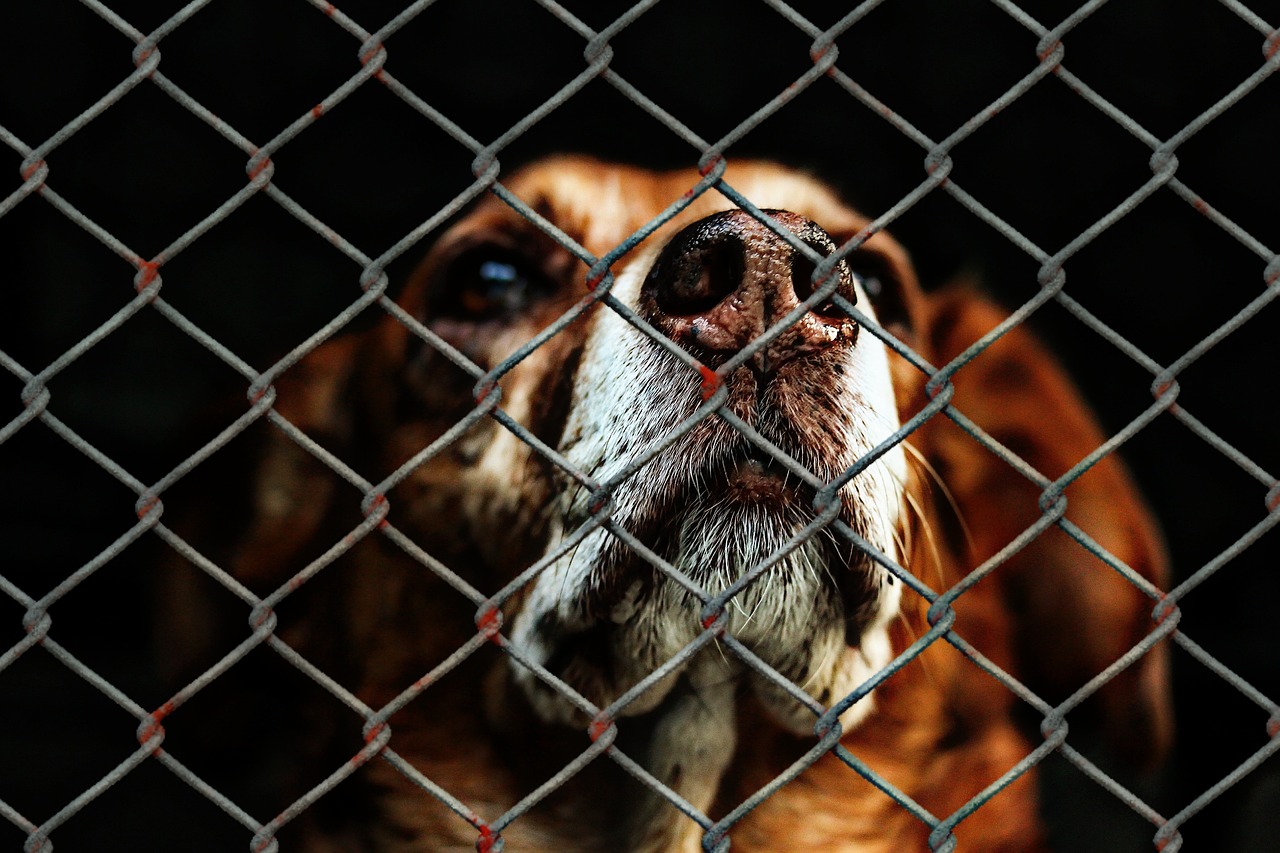

Recognizing Signs of Distress in Dogs During Emergencies
When confronted with emergencies, dogs often exhibit signs of distress that can help owners recognize their needs. Understanding these signs is crucial for effective emergency dog rescue. Signs may range from vocalizations to changes in behavior. Pay attention to excessive barking, whimpering, or even growling, which indicate fear or discomfort. In addition, dogs may show an inclination to hide or seek more security. Changes in body posture can also signal distress. A curled tail, flattened ears, or excessive panting may reveal the animal’s anxiety or fear. Rapid breathing and drooling are also alarming indicators of distress. If a dog becomes unusually restless or attempts to escape, these actions should not be ignored. Observe your dog’s eyes or facial expressions; they may appear wide open or glassy, signaling extreme stress. Body language is critical—aggression or nervous pacing can indicate serious distress. Recognizing these signs promptly enables owners to act whether it requires providing comfort, seeking professional help, or enacting a rescue plan. Your response could make a difference in their comfort and safety during tough times.
Given the highly stressful situations during emergencies, dogs may also display physical symptoms of distress. It’s vital to know how to spot these symptoms early. Common physical signs can include trembling or shivering, indicating a shaking reaction to fear. Another serious sign would be vomiting or diarrhea, which may occur due to intense stress and anxiety. Additionally, dogs may exhibit loss of appetite or refusal to drink water even when dehydrated. Observe their eyes for excessive tearing or drooping eyelids—which can signify pain or fear. Look for difficulty in standing or walking, which could mean they may be injured or in shock. Additionally, observe their heart rate; a rapid heartbeat might indicate extreme anxiety. Always keep an eye on their energy levels; hyperactivity can be a result of panic, while lethargy can signify illness or fear. Furthermore, if the dog engages in destructive behavior, like chewing or scratching at surfaces, it is a strong sign they need your attention. Monitoring these physical symptoms can guide you in taking prompt action and ensuring their well-being during an emergency situation.
Behavioral Changes to Watch For
Behavioral changes in dogs can also point toward distress during emergencies. Understanding these changes can allow for better responses during critical times. When in distress, dogs might cling to their owner more closely than usual. This could indicate that they feel insecure and need reassurance. Conversely, they might also display withdrawal behavior, staying away from family members or hiding. Notice any changes in their usual habits; a playful dog may become lethargic and miss out on activities they once enjoyed. The typical rules about behavior can shift quickly in an emergency; for instance, a friendly dog may become aggressive out of fear. Be mindful of any decline in grooming habits. If dogs begin neglecting their hygiene or appearance, stress may be affecting them mentally and physically. Additionally, barking may intensify, reflecting anxiety as their environment becomes chaotic. Always watch for sudden changes in barking patterns, pacing, or attempts to escape confined areas. Quick identification of these behavioral changes in your dog can significantly aid in mitigating distress and providing the necessary support for recovery.
Emotional signals are another critical component when determining a dog’s distress level during emergencies. Dogs can exhibit clear emotional states that reflect their well-being. Signs of fear may manifest as cowering, trembling, or an unwillingness to approach familiar people. If dogs seem overly anxious, pacing back and forth, that reflects their unsettled emotional state. Some dogs might try to engage playfully, but this can simply be a coping mechanism rather than genuine excitement. Another sign to consider is how well a dog responds to commands and familiar sounds; if they seem inattentive or confused, something may be troubling them. During an emergency, a normally confident dog might become submissive or less vocal. It’s essential not to blame yourself; dogs often sense tensions that may not be apparent to you. Monitor interactions closely and respect their space; allowing them to find a quiet area can help alleviate the emotional load they carry. Understanding these emotional signals can help you provide the support they need to recover from the incident, reinforcing bonds between pets and owners in times of distress.
Creating a Safe Environment During Emergencies
In emergencies, creating a safe environment for your dog is essential for reducing distress. Start by ensuring your home is secure and familiar to the dog, as this can provide comfort. Try preparing a designated safe space or a retreat area with their belongings, like toys and blankets. This will give your dog a place to retreat and feel secure. Consider employing calming music or white noise machines to drown out loud sounds from outside. Calming products such as pheromone sprays or dog-specific soft music can help ease anxiety. Maintain a consistent routine as much as possible, even during chaotic times, to provide stability. Offer plenty of positive reinforcement with treats and praise for calm behavior. When in transit, ensure your dog is safely secured in a kennel or seatbelt to limit anxiety and prevent escape attempts. Always have essential supplies ready, including food, water, and medications. By focusing on creating a safe environment, you foster an atmosphere conducive for your dog to recover from distressing situations while enhancing a feeling of security and safety.
Another important method of providing support to your dog during emergencies involves understanding your response to their distress. Dogs are incredibly perceptive and can sense their owner’s emotions. If you maintain calm and composed behavior, it can significantly influence your dog’s emotional state. Reassurance through a soothing voice and gentle touch can provide immense comfort. Engaging in gradual desensitization to stressful factors can also prepare your dog for future emergencies. This means gradually exposing them to stimuli they may find frightening in a controlled manner, rewarding calm behaviors. Understanding where your dog feels comfortable among family can also promote stability. It’s vital to connect with your pet to ease anxiety, focusing on bonding through activities they enjoy. Always be patient; distress can take time for dogs to process and recover from. However, if the situation overwhelms your ability to comfort them consistently, consult a veterinarian or a dog behaviorist. Professional help can provide additional resources and strategies tailored to your dog’s unique needs. Long-term management might even be necessary to ensure their emotional health and well-being are restored post-emergency.
Conclusion: The Importance of Early Intervention
Recognizing signs of distress in dogs during emergencies is crucial for ensuring their safety and well-being. Dogs rely heavily on their owners to interpret their emotional and physical signals. Early intervention can prevent escalation and help them recover more quickly from adverse situations. Understanding the signs ensures that owners can respond to their pets’ needs promptly, whether through emotional support, creating a calming environment, or seeking professional assistance. An observed behavioral change may seem slight, but it could reflect underlying distress that requires immediate attention. As caring dog owners, it is essential to foster a strong connection with pets to help them navigate emergencies with confidence. Checking in regularly can build trust and help identify issues before they escalate. With training, owners can learn to spot early cues of distress and respond more effectively. By prioritizing awareness and empathy, pet owners can significantly impact their dog’s emotional well-being. Being proactive in recognizing these signs will strengthen bonds, allowing dogs to recover and feel secure amid chaotic situations.
Moreover, the responsibility of being able to recognize distress signals is shared by all dog owners, which includes formal education and training about canine behaviors. Understanding your pet’s specific responses will help mitigate panic. Attending workshops or engaging in professional training programs can further enhance both owners and dogs’ abilities to manage emergencies. It’s recommended to become familiar with emergency protocols and procedures regarding pet first aid. Having the right knowledge can empower you to act swiftly when needed. Building community awareness can also support the overall safety of dogs during emergencies; consider collaborating with local rescue groups or shelters for training opportunities. An extra layer of preparedness can be achieved with readily accessible emergency kits that include necessary supplies for dogs. By combining education, preparedness, and community resources, dog owners can create a structured approach to handling emergencies more effectively. Raising awareness in your community about responsible pet ownership during crises can also help ensure that all dogs are attended to and supported properly. Ultimately, taking early action benefits everyone involved, especially our beloved pets.