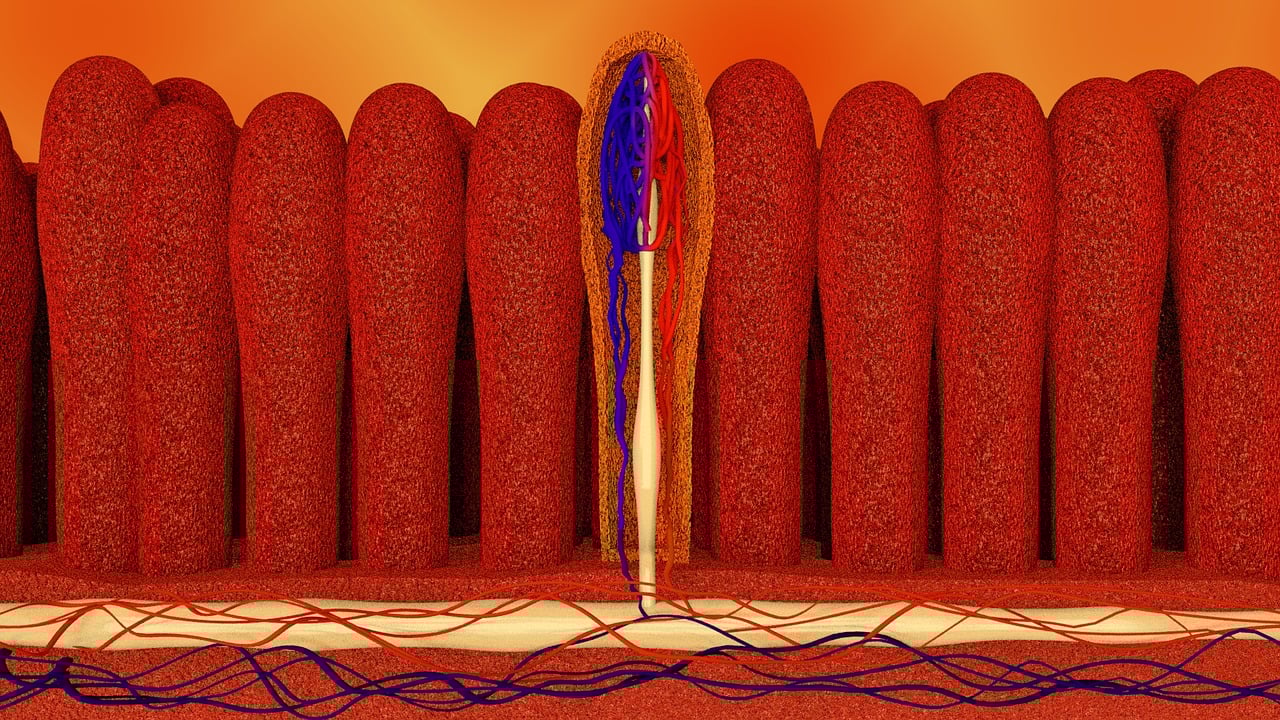

The Science Behind Vitamin Absorption in Cats
Understanding the role of vitamins is crucial for maintaining the health of our feline friends. Vitamins serve as key components of various biological functions in cats, aiding in metabolism and growth. Many cat owners may wonder about the necessity and types of vitamins essential for their pets. Research indicates that cats have specific dietary requirements that adult cats typically cannot meet solely through standard cat food. Deficiencies can lead to various health issues, impacting their overall well-being. Some essential vitamins include Vitamin A, D, E, and K, each playing unique roles in a cat’s health. For example, Vitamin A is critical for vision, while Vitamin D supports bone health. Additionally, Vitamin E acts as an antioxidant, protecting cells from damage. Knowing the types of vitamins available and understanding how they are absorbed can significantly enhance your cat’s nutrition. It’s important to choose high-quality cat food fortified with these vitamins or consider supplements after consulting a veterinarian. By ensuring optimal vitamin intake, you can contribute to your cat’s longevity and quality of life.
A crucial aspect to consider when discussing cat vitamins is the absorption process. Cats metabolize nutrients differently than humans or other animals, which influences how vitamins are absorbed in their bodies. Certain factors, such as age, health status, and the type of diet your cat consumes, can significantly affect vitamin absorption. Additionally, some vitamins are fat-soluble, meaning they require dietary fats to be efficiently absorbed, while others are water-soluble. Understanding this distinction allows cat owners to provide a diet that promotes proper nutrient utilization. For instance, ensuring your cat’s diet includes a source of fat can enhance the absorption of fat-soluble vitamins. Likewise, water-soluble vitamins might need periodic replenishment, as excess quantities are excreted in urine. Monitoring your cat’s diet and adjusting food formulations can lead to better health outcomes. Always check nutrient labels and consult with a veterinarian if you’re unsure about your cat’s dietary needs. Knowing how to balance your cat’s vitamin intake regarding their individual health needs will ensure they receive the right nutrients for their well-being.
Types of Vitamins Essential for Cats
There are numerous types of vitamins essential for a cat’s diet, classified primarily into two categories: fat-soluble and water-soluble vitamins. Fat-soluble vitamins include A, D, E, and K. Vitamin A is vital for maintaining eye health and immune function. Vitamin D helps with calcium absorption, crucial for bone health. Vitamin E functions as an antioxidant, protecting cells from oxidative stress. Lastly, Vitamin K plays an important role in blood clotting processes. On the other hand, the water-soluble vitamins primarily consist of the B-vitamins, which support energy metabolism and neurological function. B-complex vitamins, such as B1 (thiamine) and B12 (cobalamin), are particularly essential in a cat’s diet. Cats can primarily acquire these vitamins through animal-based proteins that promote better absorption. It’s crucial to select a high-quality commercial cat food designed with these vitamins. Supplements can also be beneficial, especially for cats with special health needs. Home-cooked diets require careful planning to ensure they include all essential nutrients to prevent deficiencies. This understanding of vitamin types aids in maintaining a balanced and healthy diet.
Another vital consideration is the role of balanced nutrition in vitamin absorption. As previously mentioned, a cat’s diet should include a combination of animal proteins and some fats, ensuring that vitamins are metabolized efficiently. A reliance on plant-based proteins can lead to deficiencies since cats are obligate carnivores. This means they thrive on diets primarily consisting of animal products. Proper digestion also plays a significant role; inadequate digestion can result in poor absorption of vitamins, leaving your cat susceptible to deficiencies. Supplementary nutrition may be necessary if your cat requires specific dietary adjustments after ailments. Regular veterinary check-ups can identify possible deficiencies before they escalate into more serious health complications. For pets on special diets, a veterinarian can recommend specific vitamin supplements to ensure they receive adequate nutrients. Monitoring your kitty’s condition regularly ensures they remain healthy and vibrant. If you are considering mixing or switching diets, it’s always advisable to do so gradually. This way, you can tailor the vitamin and nutrient intake to what suits your cat best, fostering overall health and wellness.
Vitamin Deficiencies and Their Symptoms
Being vigilant about your cat’s health means recognizing the potential consequences of vitamin deficiencies. Each type of vitamin plays an essential role, and a lack can manifest as physical ailments. For instance, a deficiency in Vitamin A can lead to vision problems, such as night blindness. Cats lacking Vitamin D may show symptoms like weakness or muscle pain due to impaired calcium absorption. Similarly, a scarcity of Vitamin E may present as skin issues or poor coat health. Recognizing these symptoms early can prompt timely interventions, ensuring your cat remains healthy. Moreover, B-vitamin deficiencies often lead to neurological issues, lethargy, and weakened immune responses, which significantly affect a cat’s quality of life. If you notice unusual behavior or health changes in your cat, consulting with a veterinarian is crucial. They can conduct necessary examinations and recommend appropriate dietary changes or supplements. Awareness of these symptoms empowers cat owners to take preventive measures and maintain overall health. Adopting a proactive approach when it comes to your pet’s vitamins not only prevents deficiencies but fosters a happier, healthier life.
When considering cat vitamins, it’s important to explore the available product options thoroughly. There are multiple forms of vitamins available, including tablets, powders, and even treats designed specifically for cats. Each option offers distinct benefits, catering to different cat preferences. Tablets are usually highly concentrated, while powders can be easily mixed into food for easier administration. Chewable treats provide an enjoyable experience for your cat, making vitamin intake a treat rather than a task. It’s essential to choose formulations that contain high-quality, bioavailable nutrients that are easier for your cat to absorb. Reading product labels is a wise practice, paying particular attention to the ingredient list and the sources of each vitamin. Additionally, consider consulting with your veterinarian before introducing new supplements to your cat’s diet. They can provide guidance on the best options tailored to your cat’s specific health and nutritional needs. Being discerning when selecting cat vitamins will ensure their efficacy while maximizing health benefits. Making informed choices promotes optimal wellness for your feline friend, leading to a more vibrant and active lifestyle.
Final Thoughts on Cat Vitamins
An informed approach to cat vitamins involves recognizing your feline’s unique nutritional needs. Each cat is different, and factors such as age, health status, and dietary preferences should significantly influence vitamin intake decisions. Providing balanced nutrition tailored to your cat’s needs ensures proper vitamin absorption and overall health. Regular check-ups with your veterinarian can help monitor your cat’s dietary requirements, adjusting as needed. As a cat owner, staying informed and engaged with your pet’s nutrition can significantly enhance their quality of life. Understanding that vitamins are just one component of a larger dietary picture allows for a comprehensive approach to pet health. With a great variety of food and supplement options available, the ideal nutrients can be tailored to your pet. Maintain open communication with your veterinarian to ensure your cat receives the best nutritional advice. By prioritizing your cat’s vitamin needs and overall nutrition, you can help them thrive and enjoy a long, healthy life. Ultimately, a proactive approach ensures your beloved cat remains happy, active, and ready to create lasting memories with you.
In conclusion, choosing the right vitamins for your cat entails understanding their unique absorption and metabolism characteristics. Vitamins are not just supplements but are essential components for health. Ensure the inclusion of diverse, high-quality foods in your cat’s diet, and consider supplements if necessary. Be aware of signs of deficiencies and take preventative measures when adopting changes in their diet. Consulting with a veterinarian can provide clarity and reassurance regarding your cat’s nutritional needs. Doing so can promote longevity and well-being. Keep in mind the significance of your cat’s health and comfort, striving to meet their dietary requirements. Commitment to researching and understanding how vitamins operate will lead you towards being an empowered pet parent. With proper nutrition and care, you’ll witness your cat leading an energetic and fulfilling life. Your cat depends on you to provide the best nutrition possible; therefore, be intentional in your choices. By promoting healthy habits early on, you lay the groundwork for better health outcomes down the line. Together with your feline companion, embark on an exciting journey towards optimal health and wellness.