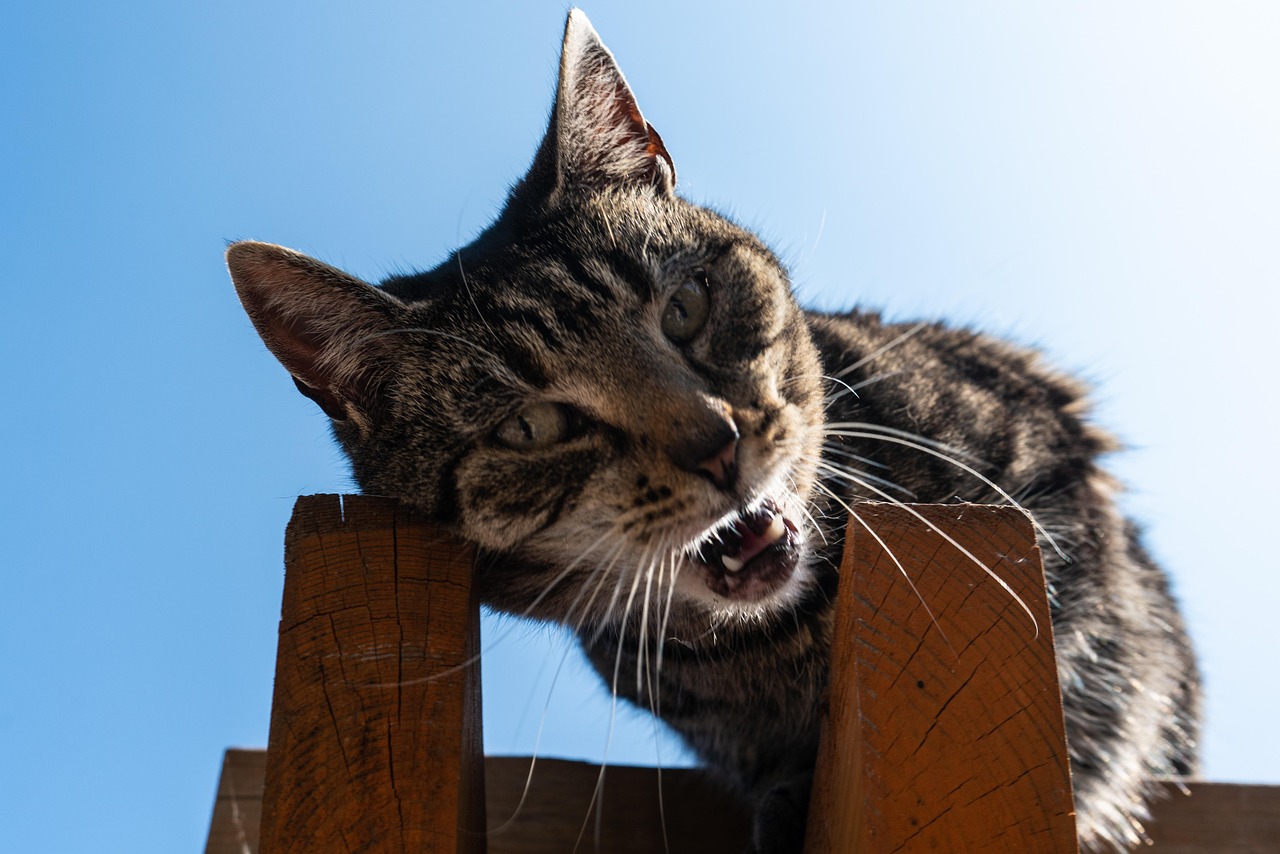

Why Do Cats Meow at Night? Causes and Solutions
Cats are known for their night-time antics, and one common behavior is meowing at night. If your feline friend has suddenly started vocalizing more at night, it can be perplexing. Understanding why they do this is crucial for both you and your cat. One reason may be that your cat is trying to communicate their needs, be it hunger, boredom, or a desire for attention. Cats are naturally nocturnal, and they may become especially active at night, which can lead to increased meowing. Another possibility could be medical issues that require attention. As cats age, they may experience changes in health that affect their behavior. If your cat’s nighttime meowing seems excessive or unusual, it may be time to consult a veterinarian for reassurance. Additionally, changes in your home environment can also impact your cat’s nighttime behavior. Stressors such as moving or new pets can make your cat feel insecure, causing them to vocalize more. Observing these patterns can help pinpoint the cause and lead to effective solutions for quiet nights.
Understanding the Causes of Nocturnal Meowing
Several underlying factors contribute to cats meowing at night. One significant element to consider is their natural instincts. As hunters, cats tend to be more active at dusk and dawn, causing them to adjust their vocalizations accordingly. Know that younger cats and kittens are often more rambunctious and vocal during the night due to high energy levels. Moreover, boredom can lead to excessive meowing as cats look for ways to fill their time when their owners are asleep. Providing adequate stimulation through toys, interactive play, and other engaging activities during the day can mitigate this behavior. Additionally, the possibility of health issues must not be overlooked. Conditions like hyperthyroidism or cognitive dysfunction syndrome might cause increased vocalizations as your cat may feel disoriented or uncomfortable. Regular veterinary check-ups are crucial to identify any medical conditions early. Creating a calm and secure sleeping environment can also ease any nighttime anxieties that may cause your cat to meow excessively. Taking time to understand your cat’s specific circumstances is vital in managing their nighttime meowing.
In order to lessen your cat’s nocturnal meowing, establishing a consistent routine can be beneficial. Cats thrive on predictability, and regular feeding and play times will help synchronize their energy levels with your schedule. Active engagement during the day can tire them out and shift their energy toward sleeping through the night. Introducing scheduled playtime before bedtime can serve as a suitable outlet for their energy, helping them settle down. Feeding your cat before bed can also assist in minimizing their desire to meow for food during the night. Interactive toys that promote mental stimulation can also keep your cat entertained, reducing the likelihood of nighttime vocalization. Providing a comfortable space for your cat to sleep away from disturbances can help them feel secure and rested, which, in turn, might lessen their instinct to meow. If these strategies do not work, consider consulting a professional animal behaviorist or your veterinarian for tailored advice. By creating an environment that caters to your cat’s needs, you can encourage a more peaceful night’s rest for both you and your furry friend.
Medical Concerns to Consider
Sometimes, nighttime meowing can point towards underlying medical issues that need addressing. Cats often vocalize more when they are in discomfort or pain. They may be experiencing changes related to aging, such as arthritis, which can limit their mobility and make nighttime restless for them. If your cat is exhibiting other symptoms like changes in appetite, weight loss, or visible discomfort when moving, it’s essential to see a veterinarian. Hyperthyroidism, common in older cats, can lead to increased activity levels and vocalizations as well. Similarly, feline cognitive dysfunction, akin to dementia in humans, can lead to confusion and excessive vocalization. Early detection of these conditions leads to better management and improved quality of life. Keep a close eye on your cat’s behavior, and make any necessary notes to discuss with the veterinarian. Some medications and treatments can minimize these conditions effectively, leading to reduced night-time activity and meowing. Identifying the root cause of nighttime vocalizations is vital not only for your peace of mind but also for your cat’s wellbeing.
To create a peaceful environment for both you and your cat, implementing a few strategies can be ideal. First, try to establish a nighttime routine that promotes relaxation and tranquility. It might include dimming the lights and playing soft music to signal to your cat that it is time to wind down. Ensure your cat has a cozy bed away from noise or disturbances, which can help them feel secure and less likely to vocalize anxiously. If your cat is particularly active at night, you might consider adjusting their feeding schedule to encourage them to eat their main meal before bedtime. Enriching your cat’s environment can also make a meaningful difference. Leave out engaging toys or puzzles that stimulate their mind and keep them occupied through the night. Additionally, try to set aside time for extensive play during the day, ensuring that your pet gets adequate exercise. By addressing both environmental triggers and behavioral needs, you will find effective strategies to reduce nighttime meowing and create a peaceful environment.
When to Seek Professional Help
After trying common solutions to reduce your cat’s nighttime meowing, it might be time to reach out for help. If your cat’s behavior intensifies despite adjustments to their environment and routine, consulting a veterinarian or an animal behaviorist can provide essential insights. Cats often communicate through their vocalizations, and changes in behavior may signify distress or discomfort that needs addressing. A professional can help assess your cat’s overall health and behavior to rule out any potential underlying medical concerns. Behavioral assessments can also uncover triggers that you may not have noticed, prompting tailored strategies for your cat. Also, consider your cat’s age, as older pets may require further attention. In instances where your cat’s behavior poses a challenge to your household – particularly with disrupted sleep – seeking assistance is wise. Don’t hesitate to discuss your concerns with experts. Sometimes, in-depth behavioral training or environmental modifications advised by professionals can make the world of difference, ensuring both your cat and your household experience peace during the night.
Ultimately, understanding the reasons behind your cat’s nighttime meowing and implementing appropriate interventions can create a harmonious living environment. By being observant of your cat’s needs, behaviors, and any contextual changes that impact their comfort. You can establish a well-rounded approach to softening their vocalizations. Strive to maintain a predictable routine where they get ample exercise and mental stimulation during the day. Make sure to keep a close watch on any unusual patterns, as early detection of potential health issues can lead to better outcomes. Remember, nighttime meowing can range from a harmless quirk to a signal of distress, so keep an open line of communication with your veterinarian. With a mix of patience and proactive strategies, it is possible to reduce nighttime meowing considerably, allowing both you and your furry friend to enjoy peaceful nights full of restful sleep. Establishing a calm evening routine and ensuring your cat’s needs are met can be the key to understanding their nighttime behavior.
Conclusion
In conclusion, addressing your cat’s nighttime meowing is crucial for both your peace of mind and their well-being. Consider all possible factors, from instinctual behavior to potential medical issues, to craft effective solutions. Establishing routines and providing stimulation can significantly alleviate night-time vocalizations. Creating a safe and comfortable environment helps set the mood for restful sleep. Furthermore, if you cannot find solutions on your own, don’t hesitate to seek professional guidance for personalized strategies. Every cat is unique, and understanding their behavior remains essential to a satisfying pet-owner relationship. By taking these steps, you can cultivate a happier home for both you and your beloved cat.