
Combating Dust Mite Allergies in Cats
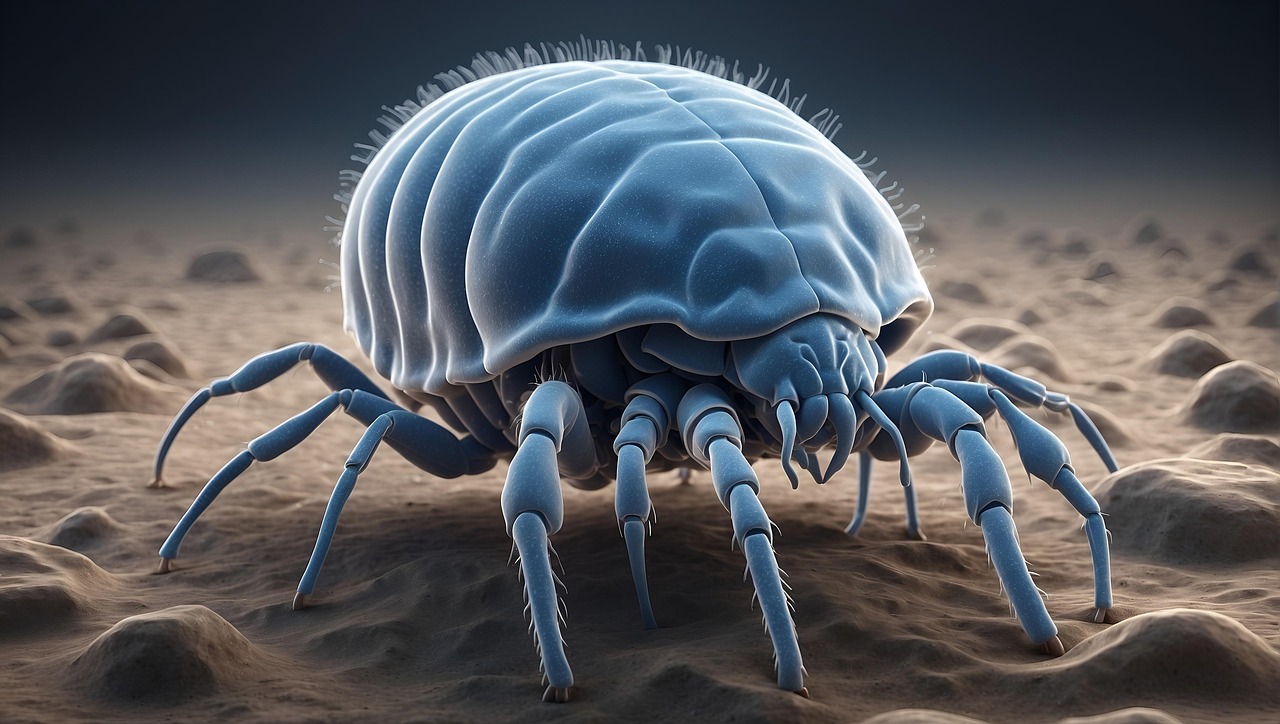
Dust mite allergies can cause significant discomfort for your feline friends. Dust mites are microscopic creatures that thrive in human environments, often found in bedding, carpets, and upholstery. Cats can develop allergic reactions when they come into contact with these pests. Symptoms may include sneezing, itching, and even respiratory issues. To manage these allergies, it is crucial to identify the triggers your cat faces. Regular cleaning and vacuuming can help reduce dust mite populations significantly. Make sure to wash your cat’s bedding frequently in hot water. This will eliminate dust mites and their feces, which are the primary allergens. Additionally, consider using mattress and pillow encasements that are resistant to dust mites. These can provide a barrier, making the environment less hospitable for these pests. Always consult your veterinarian for advice tailored to your cat’s specific needs and circumstances. They may suggest further treatments or allergy tests if necessary. Addressing dust mite allergies promptly can improve your cat’s quality of life, allowing them to enjoy their daily activities without the burden of discomfort.
Dust mite allergies in cats can be managed with preventative measures and environmental modifications. Consider using HEPA filters in your home. These filters are highly effective in trapping dust particles, including allergens that may affect your cat. Another useful strategy is to minimize soft furnishings where dust mites accumulate. Remove unnecessary rugs, drapes, and cushions to create an environment that is less inviting for these pests. When cleaning, use a damp cloth to wipe surfaces, as this will prevent dust from becoming airborne and settling onto your cat’s favorite areas. Frequent grooming of your cat can also help reduce allergens. By brushing your cat regularly, you will remove loose fur and skin flakes that dust mites may cling to. Additionally, ensure your cat receives a balanced diet and maintains a healthy immune system. Sometimes, supplements like omega-3 fatty acids can help manage allergy symptoms by promoting skin health. Keep your cat hydrated and monitor their symptoms closely. If you notice any changes, consult your veterinarian to adjust your approach to managing their allergies, ensuring they remain comfortable and healthy.
Identifying Symptoms of Dust Mite Allergies
Being aware of your cat’s symptoms can significantly assist in managing dust mite allergies. Common signs include incessant scratching, biting, and licking, particularly around the paws and face. Moreover, you may also notice sneezing or coughing episodes, which can indicate respiratory issues stemming from an allergic reaction. Red, inflamed skin or bald patches can develop due to excessive scratching. Seasonal fluctuations often exacerbate these symptoms, coinciding with an increase in dust mite populations. It is essential to keep track of when your cat shows these signs and any environmental changes that might correlate with their occurrence. If symptoms persist or worsen, consider seeking veterinary assistance. Your veterinarian can perform skin tests or blood tests to confirm allergies, helping rule out other issues. Managing these allergies early can prevent the development of secondary infections that often arise from excessive scratching and skin damage. A tailored treatment plan may include antihistamines or allergy shots. Plan regular follow-up appointments to monitor your cat’s progress, making adjustments to the management plan as necessary for their wellbeing.
Environmental changes can greatly alleviate dust mite allergies in cats. Implement routine cleaning of your living space to combat any accumulation of dust. Regularly vacuum carpets and furniture, ideally using a vacuum with a HEPA filter. Additionally, consider replacing or steam-cleaning carpets, as they often serve as host environments for dust mites. Utilize washable pet bedding that can be cleaned weekly in hot water to reduce allergen presence. Minimizing humidity levels can also help; dust mites thrive in humid conditions. Using a dehumidifier makes for a drier environment where mites are less likely to flourish. Furthermore, restricting your cat’s access to areas that tend to collect dust, such as attics or basements, will also help. Another effective tip is to ensure proper airflow by opening windows when possible. This will promote cleaner, fresher air in your home. Lastly, consider natural or non-toxic pest control options to limit dust mite exposure. Explore options such as essential oils, while ensuring they are safe for your cat. With consistent efforts, you’ll create a healthier living space for both you and your feline companion.
Nutrition and Supplements for Cats with Allergies
Providing your cat with proper nutrition can significantly assist in managing dust mite allergies. A diet rich in high-quality proteins and low in fillers can boost their immune system, making it resilient against allergens. Consider incorporating omega-3 fatty acids, known for their anti-inflammatory properties. These can alleviate symptoms associated with dust mite allergies, promoting healthier skin and a shiny coat. Make sure to choose cat food that is free from common allergens, such as grains or other fillers that might exacerbate your cat’s condition. Always consult your veterinarian before introducing new foods or supplements, as they can suggest the most suitable options for your cat’s needs. Additionally, hydration is vital; ensure your cat always has access to fresh water. Hydrated skin may become less prone to allergic reactions, and it supports overall health. Supplementation can sometimes include additional vitamins and minerals necessary for skin health, such as Vitamin E. Monitor your cat’s condition through their diet, and remain vigilant for any expected changes in their symptoms as you adjust their nutrition.
Veterinary treatments may be necessary in managing a cat’s dust mite allergy. Consult your veterinarian if home care methods do not alleviate symptoms effectively. They may recommend antihistamines or corticosteroids, which can help control inflammation and itching. In some cases, your vet might suggest allergy immunotherapy. This treatment involves gradually introducing your cat to allergen extracts, helping to desensitize their immune response to dust mites. Regular check-ups can ensure the treatment is appropriate and effective. Always monitor your cat for any adverse reactions to new medications or treatments. In some instances, skin infections may arise from prolonged irritation and scratching due to dust mite allergies. Your vet can provide care instructions and potential medicated shampoos to combat these conditions effectively. In addition, staying in communication with your veterinarian allows for fine-tuning treatment plans as your cat’s needs change. Exploring various options ensures you find the best balance of treatments to improve your cat’s wellbeing. Prompt action can significantly improve their quality of life, allowing them to enjoy daily activities without discomfort from allergies.
Creating an Allergy-Friendly Environment
Creating an allergy-friendly environment enhances your cat’s comfort and health. Start by establishing a designated space within your home that is specifically for your cat. This area should have easily washable surfaces. Regular cleaning will minimize dust accumulation. Add hard surfaces like tile, laminate, or hardwood instead of carpets, which trap allergens. Additionally, supply your cat with toys that can be easily cleaned and sanitized to ensure they are maintaining a low-allergen environment. Consider using an air purifier with a HEPA filter to capture and trap airborne allergens effectively. Ensure this device runs continuously in the designated cat area. Moreover, establish a rule of no shoes in your cat’s space. This practice minimizes the transport of allergens from outside into your home. Maintain a consistent cleaning schedule for vacuuming and dusting, using simple, non-toxic cleaning supplies to prevent additional irritants. Finally, always check for signs of debris buildup; even a small accumulation can trigger allergic reactions in sensitive pets. Keeping your cat’s space allergy-friendly will significantly boost their overall wellbeing and happiness.
Monitoring your cat’s health throughout the allergy management process is essential for their comfort. Keep a detailed journal noting their symptoms and any changes in behavior or diet. This log can provide valuable insights and help your veterinarian tailor treatment and identify triggers. Regularly assess your cat’s skin condition, noting any redness or irritation that may require prompt attention. Frequent and effective communication with your veterinarian is crucial, especially when trying new treatments or dietary changes. Be proactive about any new symptoms you observe, turning them into addresses during veterinary visits. A collaborative approach ensures rapid adjustments to their management plan as needed. Maintaining your cat’s health requires diligence and responsiveness; address any emerging issues immediately. Furthermore, listen to your instincts as a caregiver. If your cat seems less active or more irritable, take it seriously. Prompt the vet for advice on possible next steps or treatments that could enhance your cat’s quality of life. Your commitment to monitoring and improving your cat’s health, through both environmental and nutritional adjustments, will contribute significantly to managing dust mite allergies effectively.