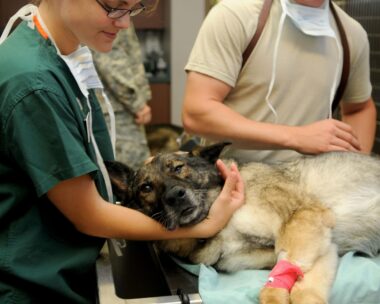

Exploring the Relationship Between Dog Insurance and Vet Selection
In recent years, the significance of dog insurance has risen, reflecting shifting homeowner perspectives on pet healthcare. Pet owners increasingly recognize the value of financial support for veterinary expenses, shaping their interactions with veterinary services. As insurance policies become more widely adopted, one can observe a noticeable change in how owners select veterinarians. When evaluating options, insured pet parents tend to gravitate towards practices offering comprehensive services, favoring those adept at accommodating a variety of potential issues. Pet insurance presents a safety net during emergencies, prompting owners to choose veterinarians who provide extensive care, especially regarding surgical interventions and long-term treatments. Owners often inquire about specialty services, as this reflects an insurance-backed expectation of advanced care availability. With insurance coverage, there is a growing trend among owners to pursue proactive healthcare, scheduling regular check-ups. This shift fosters a relationship not purely reliant on reactive care but emphasizes preventive measures. In selecting a vet, insurers’ influence is increasingly visible, solidifying the connection between available insurance options and the quality of veterinary care that pet owners seek for their beloved companions.
The positive correlation between dog insurance and the nature of veterinary care received can be illuminated by examining the financial aspects inherent within this relationship. Pet owners with insurance are often motivated to seek higher-quality care to ensure their furry friends receive the best possible treatment. The average medical bill for a pet can be overwhelming, thus insurance alleviates some of that financial burden, encouraging owners to pursue necessary treatments without hesitation. As a result, pet parents will frequently collaborate with their chosen veterinarians to determine the most effective healthcare plan for their dogs. A reputable veterinarian is more likely to have a wealth of resources and knowledge, enabling owners to make informed decisions concerning their pets. Additionally, insured pet owners may also find themselves more readily participating in wellness programs and preventive care, as they feel more secure in their ability to cover any associated costs. Consequently, as insurance continues to shape the veterinary landscape, practitioners are adapting their approach to meet both the expectations and needs of insured clients. The implications of this shift become clear, benefiting both the pets and pet owners considerably.
Insurance Impact on Treatment Decisions
Delving into the treatment avenues pursued by pet owners with insurance can provide further insight into the evolving dynamics of veterinary care choices. Pet insurance not only softens the blow of hefty vet bills, but it also empowers pet owners to explore various advanced treatments. This can lead to veterinarians recommending higher-tier options without concerns over financial constraints. Owners can then consider options such as specialty care, physical therapy, or alternative treatments that may be more costly. Veterinarians, aware of insurance coverage, are inclined to present a broader range of options during consultations. This adaptation can enrich the discussions regarding the best approaches for a pet’s health while fostering collaboration and trust between pet owners and veterinarians. Pet insurance allows many dog owners to prioritize health over finances, supplementing veterinarian recommendations while providing peace of mind. Veterinary practices can attract clientele seeking expansive treatment options due to their conditioning for accommodating insurance-covered treatments. Thus, the escalating prevalence of pet insurance transforms veterinary practices, highlighting the importance of adapting to the nuanced needs and expectations of the insured pet owner demographic.
A significant aspect that influences the selection of veterinarians among insured pet owners is the perceived quality of care. Owners are increasingly looking for clinics that highlight their affiliation with reputable insurance companies, thus solidifying their trust in the care provided. This relationship often leads to new standards of expectation, as insured clients favor vets who excel in transparency and communication regarding treatment plans. Clients also prefer those practices capable of navigating complex claims processes deftly. When frequent interactions with insurance providers are necessary, a veterinarian’s familiarity with these claims can make the experience smoother for clients, leading to higher levels of satisfaction. As a result, veterinary practices prioritizing their customer’s experiences with insurance claims often see a growing base of insured clients. This shift underscores a restructuring of traditional veterinary service models, making them more insurance-oriented than ever. The collective trend illustrates the influence of insurance on treatment approach and quality perception, revealing how integral policies are in shaping client decisions and preferences for care.
The Role of Preventive Care
Preventive care emerges as a crucial topic when discussing dog insurance and veterinary selection. Owners covered by insurance often feel more inclined to schedule routine health check-ups and preventive services. When financial uncertainties are alleviated, the likelihood of obtaining vaccines, dental cleanings, and wellness visits increases significantly. Many veterinarians emphasize the value of preventive care, underscoring the importance of early detection, as these measures can minimize the likelihood of severe health issues in the future. Consequently, insured pet owners tend to foster longer-lasting relationships with their veterinarians, resulting in greater commitment towards consistent healthcare practices. By selecting veterinarians who advocate preventive measures, these owners protect their pets while ensuring ongoing communication about health changes. Moreover, many insurance policies include preventive care benefits, further motivating owners to prioritize regular check-ups. Through this lens, it becomes clear that dog insurance positively impacts not just the choice of veterinarians but also the overall health trajectory of pets. Over time, enhanced quality of care can lead to a healthier pet population, showcasing the far-reaching effects of insurance on veterinary interactions.
The commitment to preventive care shared by insured dog owners is significantly influencing veterinary practice structures. Many veterinary clinics are recognizing the need to adapt their offerings gradually, integrating services specifically aimed at maintaining regular pet health rather than solely treating issues as they arise. This shift towards a preventive model not only meets client demands but also helps improve overall pet health outcomes, strengthening the veterinarian-client relationship. Clinics that champion wellness care initiatives often attract a loyal clientele appreciative of the long-term health investment they represent. Furthermore, veterinarians addressing the increasing insurance reliance can build trust with pet owners by emphasizing structured wellness plans. As the landscape continues to change, innovative approaches such as membership programs or annual wellness plans are becoming increasingly popular. By exploring these options, veterinary practices not only enhance their visibility but also create an avenue for ongoing collaboration with insured pet owners. In summary, the embrace of preventive care in conjunction with insurance frameworks is reshaping the future of veterinary medicine and pet care paradigms.
Future Trends in Dog Insurance
As we consider the evolving relationship between dog insurance and veterinary choices, it is essential to anticipate future trends emerging in this landscape. The growing importance of telemedicine highlights the accessibility and convenience offered by this mode of care. Insured pet owners are increasingly turning to virtual consultations to discuss their pet’s health, paralleling the trend in human healthcare. This shift is poised to influence how owners interact with their veterinarians and what options are available to them. As technology enhances the veterinary field, clinics must invest in specialized platforms to accommodate these changes. Furthermore, an increase in insurance providers focusing on tailored policies designed around specific breeds or health conditions may propel owners to seek veterinary practices adept in these targeted areas of care. Such evolution invites an even more cooperative partnership between family pet owners and veterinarians, united by a shared goal of achieving optimal health for pets. The continuous fluctuation in insurance premiums and policy offerings also necessitates ongoing education and understanding of veterinary care options, ultimately reshaping how pet owners approach their companion’s health management in the future.
In summary, the interplay between dog insurance and veterinary selection is influencing pet care significantly, enhancing both expectations and standards in the field. Pet insurance not only shapes financial decisions but also alters perceptions surrounding quality and accessibility of care. As pet owners lean towards various surgical and preventive options, veterinarians are adjusting their services to accommodate these demands. The introduction of telemedicine broadens the horizon for examination processes, allowing insured clients to maximize convenience while ensuring that their pets receive necessary attention. Essential discussions surrounding advanced treatments and preventive care initiatives are becoming paramount in the veterinarian-client relationship. Insurance coverage is no longer solely a financial safeguard; it encapsulates a commitment to long-term health and responsible pet ownership. Moving forward, the ever-evolving dynamics surrounding dog insurance will continue to foster innovative practices in the veterinary field. As an industry, veterinary professionals must stay attuned to these trends and expectations to ensure optimal care delivery for pet owners who seek the best for their companions. Ultimately, the interconnectedness of these elements signifies the essential role insurance plays in modern pet healthcare.