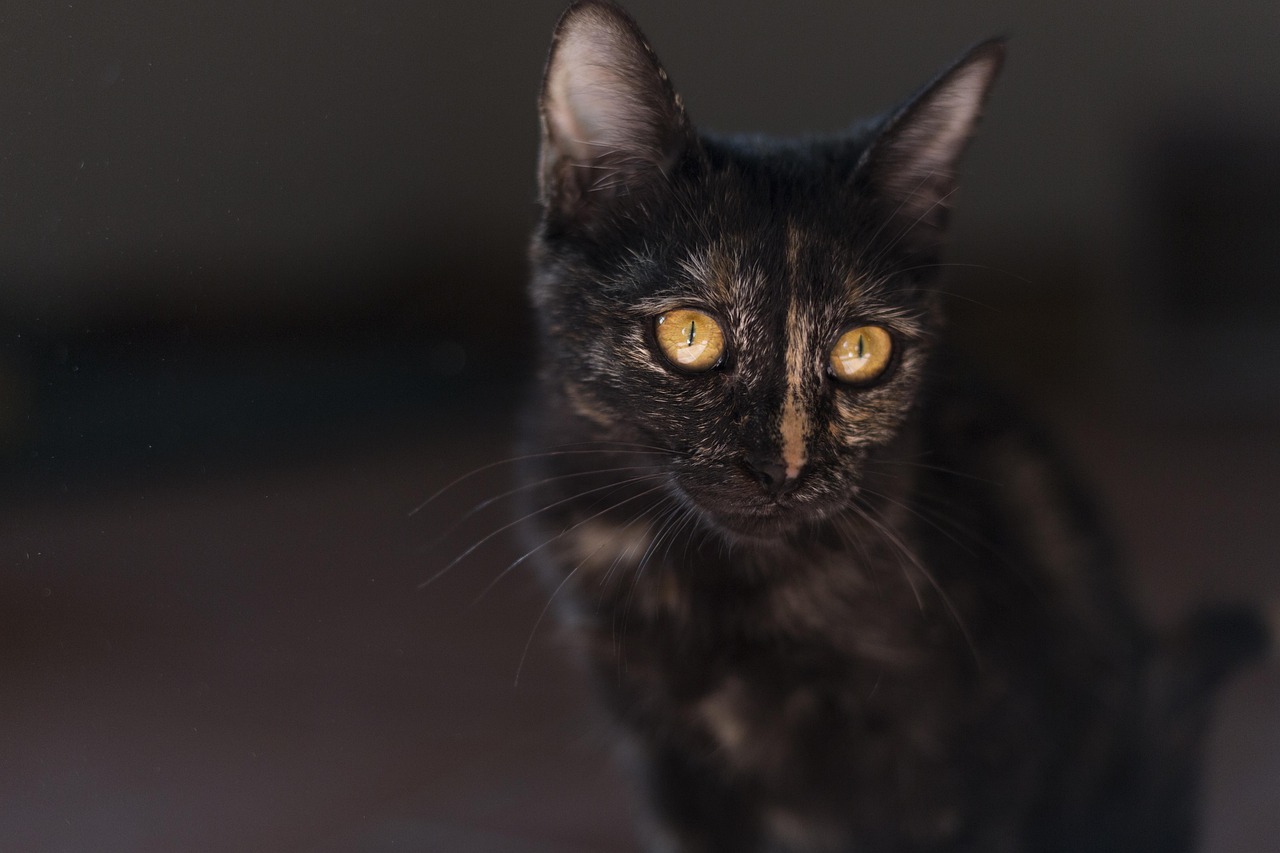

Feline Infectious Peritonitis in Kittens: Risks and Signs
Feline Infectious Peritonitis (FIP) is a serious viral disease affecting cats worldwide. Kittens, due to their immature immune systems, are particularly vulnerable. FIP is caused by a mutation of the feline coronavirus, which exists in two forms: non-virulent and virulent. The risk of developing FIP increases when a kitten is infected with the virus, especially in multi-cat households. Signs can be acute or chronic, making early detection vital. Symptoms may include fever, weight loss, lethargy, and in some cases, a swollen abdomen due to fluid accumulation. The condition often mimics other illnesses. It’s essential to consult a veterinarian if FIP is suspected. Some affected kittens may show neurological signs, such as behavior changes or difficulty walking. However, it’s important to note that not all cats exposed to the virus develop FIP. Genetic predisposition plays a role, and certain breeds are at a higher risk. Kittens with a weakened immune system are also more susceptible. Understanding these factors can help in managing health risks effectively.
Diagnosing FIP in kittens can be challenging due to its nonspecific clinical signs and symptoms. Typically, veterinarians conduct a series of tests to confirm the diagnosis, including blood tests, imaging, and sometimes a biopsy. There are two forms of FIP: wet (effusive) and dry (noneffusive), each presenting different challenges in detection. In the wet form, excess fluid builds up in the abdomen or chest, leading to distension, whereas the dry form often involves organ lesions. Vets may utilize a combination of laboratory tests to aid diagnosis, including testing for elevated protein levels in the fluid collected. It’s crucial to distinguish FIP from other diseases, such as feline leukemia and feline immunodeficiency virus, which share overlapping indications. Early recognition and diagnosis can influence treatment effectiveness, prolonging the kitten’s life. If you suspect your kitten shows signs of FIP, immediate veterinary evaluation is paramount. New treatments are emerging, providing hope to affected kittens and their owners. Understanding FIP’s complexities emphasizes the need for ongoing research in feline health to safeguard our furry friends.
Prevention Strategies for FIP
Prevention is the best strategy for managing FIP risk in kittens. The first step involves vaccination against the feline coronavirus. While no vaccine guarantees complete protection against FIP, it can reduce virus shedding and lower incidence rates. Proper hygiene practices in multi-cat environments are crucial in minimizing transmission. This includes regularly cleaning litter boxes, feeding stations, and ensuring adequate ventilation. Additionally, minimizing stress is essential. Cats in stressful environments, such as those with overcrowding, are more susceptible to feline diseases. Keeping kittens indoors can significantly reduce exposure to potential viral sources. It is advisable to limit introductions of unknown or stray cats. Socializing kittens gradually ensures compatibility, helping mitigate stress. Regular veterinary check-ups contribute to early detection and treatment of potential health issues. Owners should monitor their kittens for any changes in behavior, appetite, or health. Educating oneself about the signs of FIP and being attentive can ensure prompt care. The importance of a strong immune system cannot be overstated, making a nutritious diet essential for growing kittens. Following these strategies can improve overall health and reduce FIP risk.
When caring for a kitten diagnosed with FIP, understanding its prognosis and treatment options is crucial. Historically, FIP has been considered fatal, but new antiviral treatments show promise. These treatments can potentially halt the disease’s progression, provided that they are started early. Affected kittens may require supportive care, which includes hydration, nutrition, and, in some cases, medications to manage symptoms. It’s essential to discuss treatment plans with a veterinarian specializing in feline health. Frequently reassessing the kitten’s health status plays a significant role in ensuring it receives the best possible care. Emotional support for both the kitten and the owner is vital during this distressing time. Keeping a daily log of the kitten’s condition may provide insights into its response to treatment and overall wellbeing. Exploring all available treatment options, including emerging therapies, is essential for maximizing the quality of life. The bond shared between a pet and its owner becomes instrumental in fostering recovery. Engaging with a supportive community of pet owners and professionals can significantly enhance coping strategies during these challenging times.
Monitoring Kittens for Symptoms
Monitoring a kitten for signs of FIP is essential, especially during its early stages. Kittens generally exhibit subtle symptoms that can go unnoticed, making familiarity with common signs crucial. Look for changes in behavior, energy levels, or appetite. Monitoring weight consistently can also provide insights into their health status. Aside from fever and lethargy, pay attention to gastrointestinal symptoms such as vomiting or diarrhea, which could indicate a virus. Notably, changes in hydration status may manifest as dry gums or skin tenting, suggesting dehydration, a critical risk in affected kittens. Urinary changes can also be indicators of problems; both frequent urination and straining can signify underlying issues. In some cases, developing neurological signs, like uncoordinated movements, may suggest complications. Keeping a close watch on litter box habits is vital. These observations can aid in discussions with your veterinarian regarding any concerns that arise. Early intervention can be pivotal in improving outcomes. Pet owners should not hesitate to report any unusual behavior, as prompt diagnosis and treatment can enhance the kitten’s chances of overcoming FIP.
Another aspect of caring for FIP-affected kittens is understanding their emotional needs. Kittens are sensitive creatures that require love and attention, particularly when facing health challenges. Providing a calm and nurturing environment can help reduce stress levels, supporting their immune systems. Gentle interaction and playtime can also alleviate anxiety, positively influencing their wellbeing. Creating a cozy space in the home where the kitten feels safe and secure can significantly impact its emotional health. Monitoring social interactions with other pets is also crucial; it’s essential to ensure the kitten isn’t overwhelmed. Isolation may occasionally be necessary, but social engagement should be encouraged gradually. Touch, voice, and play can all contribute to a kitten’s emotional recovery. If the kitten exhibits signs of depression or despondence, owners may need to consult a veterinary behaviorist. Understanding its needs and providing emotional support can make a big difference during recovery. Engaging with online resources, such as forums or groups focused on FIP, can offer additional support. Remember, fostering a positive emotional environment can significantly enhance the chances of recovery.
Conclusion and Takeaways
In conclusion, Feline Infectious Peritonitis presents significant challenges for kittens and their owners. Understanding its risks, signs, and treatment options can shape effective care plans. Early detection plays a crucial role, emphasizing the importance of being observant and proactive regarding kitten health. Incorporating preventive measures and maintaining regular veterinary visits can reduce the impact of this disease. While FIP has historically been a daunting diagnosis, advancements in treatment offer hope for affected kittens. Creating a supportive environment that nurtures emotional wellbeing can facilitate recovery and enhance quality of life. Owners should remain informed and involved in their kittens’ care, working closely with veterinarians to navigate the complexities of FIP. The journey may be difficult, but a dedicated approach can make a significant difference. Community support can also provide resources and morale during challenging times. As research continues to evolve, the future for kittens facing FIP looks promising. The resilience of kittens and their owners highlights the strength of the human-animal bond and the endless love shared. With knowledge, compassion, and commitment, we can help our furry friends thrive.