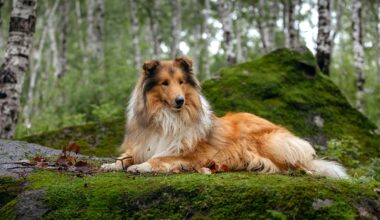

Health and Wellness Tips for Senior Dogs in Rescue
Rescuing senior dogs is both a rewarding and responsible task requiring awareness of their unique health needs. Aging dogs can experience various health issues, including arthritis, dental problems, and diminished mobility. Providing adequate care helps improve their quality of life. Regular veterinary check-ups are essential to monitor their health. It’s vital to establish a consistent diet that suits their age and specific health issues, potentially incorporating supplements that promote joint health and cognitive function. Daily walks adjusted to their pace ensure they stay active. Also, mental stimulation through toys or training exercises keeps their brains engaged, which can slow cognitive decline. Furthermore, recognizing signs of discomfort or pain in senior dogs is crucial. Adaptations like comfortable bedding can ease their resting period. Lastly, love and compassion during this stage of their lives cannot be understated. Creating a safe, stable environment fosters emotional well-being, making it easier for them to adapt to changes, leading to a more fulfilling life in their golden years. Always consult with a professional if you’re uncertain about the best care practices for senior dogs.
Ensuring Nutrition is a Priority
A proper diet is the cornerstone of health for senior dogs in rescue. As dogs age, their nutritional requirements shift; hence, it’s important to choose high-quality food tailored to their specific life stage. Look for products specifically formulated for senior dogs, which often contain lower fat and higher fiber to support digestion. Also, consider the protein content, ensuring it’s sufficient to maintain muscle mass. Consulting a veterinarian can help determine the optimal nutritional balance. Incorporating foods rich in omega-3 fatty acids can contribute to joint health and may aid in cognitive function. Furthermore, providing hydration is equally crucial. Senior dogs may not drink as much water, so offering wet food or adding water to dry kibble can encourage them to consume adequate fluids. Monitoring their weight is essential; adjusting the diet may be necessary based on changes. Treats can also be given, but they should be healthy and suitable for senior dogs. Always avoid foods that are toxic to dogs, such as chocolate, grapes, and onions. Keeping an eye on any allergies or sensitivities is also important when selecting the right nutrition.
Exercise: Tailoring Physical Activity
Regular exercise is vital for the health of senior dogs, ensuring they remain strong, mobile, and happy. However, their exercise routine should be adapted to account for their age and physical limitations. Daily walks are essential but should be kept short and leisurely. Longer, vigorous play sessions may not be suitable; instead, shorter bursts of activity work best. Keeping a routine, dogs thrive on predictability. Light games like fetch or gentle tug-of-war stimulate engagement without straining their bodies. Swimming is another excellent activity for senior dogs, as it’s low-impact and beneficial for their joints. Some dogs may also enjoy puzzle toys that encourage them to use their minds. Observing their energy levels, and any signs of fatigue or discomfort during activity, is paramount. It is crucial to monitor any unusual behavior following exercise, such as limping or reluctance to move. If adjustments are necessary, or if the dog shows persistent issues, consult a veterinarian. Always be patient and encouraging, allowing senior dogs to enjoy their exercise without feeling pressured. Creating a supportive environment promotes their happiness and physical health.
Prioritizing Comfort and Rest
Comfort is a crucial aspect of care for senior dogs in rescue. As they age, many dogs experience discomfort due to joint pain or other health issues, emphasizing the need for adequate resting spots. Providing a designated, comfortable bed that supports their joints can significantly enhance their quality of life. Also, consider the location of their resting area; it should be quiet and free from disturbances. A soft blanket can add extra comfort and warmth for senior dogs with sensitivity to temperature changes. Additionally, maintaining a predictable daily routine contributes to their sense of security, allowing them to plan their rest times adequately. Regular observations for any changes in sleeping habits are essential; an increase in sleep can indicate discomfort or health issues. Providing a safe space free from slips or falls is vital, especially if mobility is decreasing. Make sure to avoid rugs or clutter that could become obstacles. If there are any symptoms of pain or difficulty in getting up, consult a veterinarian. Above all, emotional comfort through companionship and gentle praise is as important as physical comfort.”},{
Grooming: Maintaining Hygiene and Health
Proper grooming plays a significant role in maintaining the health of senior dogs. As dogs age, their coats can become thick, tangled, or matted, which can lead to skin issues and discomfort. Regularly brushing their fur helps to remove dirt, debris, and excess hair while also stimulating blood circulation. This can also be a bonding activity that promotes relaxation for both the dog and owner. Additionally, regular baths with appropriate, gentle shampoos keep their skin healthy and free from irritation. It’s essential to check their ears as well, as older dogs may develop infections or wax buildup that can lead to discomfort. Keeping their nails trimmed and manageable also prevents pain and difficulty walking. Furthermore, dental care should not be neglected; tartar buildup can lead to periodontal disease, which is particularly detrimental to senior dogs. Providing dental chews and regularly brushing their teeth contribute to oral health. Transitioning to softer food can help if dental issues persist. Always familiarize yourself with what grooming tools work best, and consult your veterinarian when unsure about any procedures.”},{
The Importance of Regular Veterinary Visits
Regular veterinary visits are crucial in ensuring that senior rescue dogs remain healthy and happy. Health problems can arise suddenly and progress rapidly, making consistent check-ups vital. Initially, a comprehensive examination can identify underlying health issues. This should include blood tests, dental examinations, and vaccinations tailored to the dog’s needs. Senior dogs might require specialized tests like thyroid evaluations or heart function checks. Discuss any changes in behavior, appetite, or energy levels with the veterinarian to assess their health properly. Additionally, vaccinations should be updated regularly to protect them from common diseases and infections. These visits are also an opportunity to discuss dietary needs and any potential adjustments to their care regimen. An open dialogue with the vet can lead to personalized care plans that suit the individual dog’s requirements. Furthermore, senior dogs often benefit from preventive care measures tailored to their age group, so discussing these options is beneficial. Always maintain a file with medical records to track their health journey, so care is coordinated and timely.
The Emotional Needs of Senior Rescue Dogs
Senior dogs in rescue not only have physical health considerations but also emotional needs that must be addressed for their well-being. Transitioning to a new home can be stressful for some older dogs, particularly if they have experienced neglect or abandonment. Establishing a routine can help instill a sense of security, maximizing their comfort level. Providing space for them to unwind and adapt to new environments is critical; understand and respect their pacing. A quiet environment plays a significant role in allowing them to feel safe. Mental enrichment through puzzle toys or interactive games can help alleviate boredom, improving their mood. Equally important is social interaction—gentle petting, cuddling, and company can significantly boost their emotional health. Recognizing signs of anxiety, such as excessive vocalization or self-destructive habits, is crucial in offering the necessary support. Consistent positive reinforcement helps build trust, allowing the dog to bond with their new family. Overall, fostering a loving and stable environment contributes greatly to their mental well-being, helping senior rescue dogs flourish.
Conclusion: Comprehensive Care for Senior Dogs
In conclusion, caring for senior dogs in rescue involves a comprehensive approach focusing on physical health, emotional well-being, and proper nutrition. Being proactive about their unique needs will ensure happy, fulfilling lives. Create an environment that addresses their physical requirements, such as comfort in a safe space and tailored exercise plans. Emphasize nutrition through quality food, regular hydration, and veterinary assistance to maintain optimal health. Additionally, engage the emotional aspects like creating bonds, providing love, and minimizing stress during adaptation. Regular grooming routines and consistent healthcare make for a well-rounded life, enhancing the quality of the years ahead. This win-win situation benefits not only the dogs but also their compassionate caregivers. Through informed choices, love, and compassion, senior dogs in rescue can live rewarding lives, with both physical and emotional fulfillment. Advocacy for continued research and awareness leads to better practices for seniors in rescue by creating a better understanding of their needs. Promote adoption of senior dogs, providing them a chance at fulfilling lives, while also enriching the lives of their new families.”}]} ,{