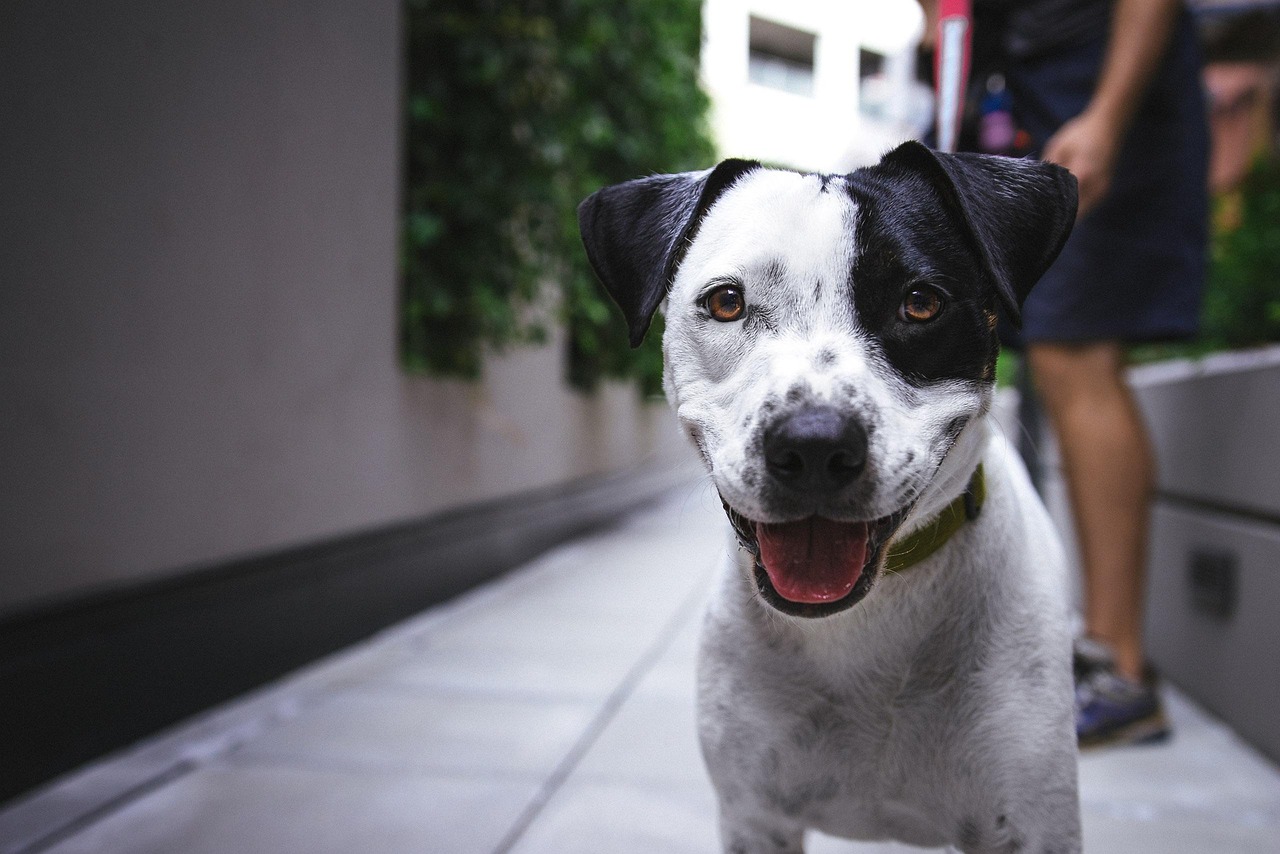

How Breeds Differ in Their Affection Levels
Understanding the emotional landscapes of different dog breeds is essential. Each breed possesses unique traits that significantly influence their behavior and affection levels. For instance, larger breeds like St. Bernards tend to be more gentle and affectionate compared to their smaller counterparts such as Chihuahuas, who may display bold behavior despite their size. Many factors contribute to these differences, including genetics and socialization experiences. For example, dogs bred for companionship often exhibit more affectionate behaviors than those bred for guarding or hunting. Researchers suggest that the environment also plays an integral role in shaping personality traits. Dogs raised in loving homes are more likely to be attuned to human emotions and exhibit higher affection levels. This variation in affectionate behaviors can be puzzling for dog owners but understanding these tendencies can lead to better relationships between dogs and humans. Each dog has its own personality, influenced by both its breed and upbringing, necessitating care and attention from owners. Thus, the affection levels in dogs not only depend on breed but also on individual personalities and experiences. Knowing this can help you choose the right breed suitable for your lifestyle.
One significant component in understanding dog affection is breed history. Different breeds have been historically developed for specific tasks like hunting, herding, or companionship. Breeds that were historically companions, like the Cavalier King Charles Spaniel, often have a predisposition for affection and a strong desire for interaction with humans. Conversely, working breeds, including Border Collies or German Shepherds, may display more focused behaviors, which could come off as less affectionate, particularly in environments requiring them to perform duties. In addition, certain breeds might communicate affection differently, utilizing less physical closeness but still showing loyalty and love. Understanding these nuances gives insight into how to interact with a dog based on its breed. For example, while a Labrador may thrive on hugs and petting, a Shar Pei might prefer to sit quietly beside its owner. Recognizing these specific needs fosters a deeper relationship between the dog and its owner. Ultimately, it becomes clear that the breed’s purpose profoundly affects its approach to affection. Therefore, analyzing breed history can provide clarity on the behaviors exhibited today, leading to more satisfying human-canine relationships.
Affectionate Breeds vs. Independent Breeds
Some breeds stand out for their extraordinary affectionate traits, creating close bonds with their owners. Breeds like Golden Retrievers and Labradors have long been admired for their loyalty and affectionate nature. These dogs tend to crave human interactions and exhibit signs of affection, such as leaning against their owners or following them around the house. In contrast, other breeds demonstrate a more independent approach to relationships, like the Shiba Inu or Basenji. Though they may not seek attention in the same way, they still possess their unique ways of showing love. For instance, these breeds often engage in prolonged eye contact or sit comfortably nearby to convey presence without overt displays of affection. Understanding these differences is crucial for potential dog owners when considering breed compatibility with their lifestyle. For a family that thrives on constant interaction, an affectionate breed may be more suitable. However, for someone preferring a quieter presence, opting for a more independent breed may significantly enhance one’s satisfaction. Recognizing these distinctions helps prospective owners select a breed that matches their expectations, lifestyle, and desired level of interaction with their canine companion.
Another factor influencing the level of affection displayed by a dog is its temperament. Dogs are not merely products of their breeds; individual temperament plays a fundamental role in shaping behavior as well. Factors such as socialization and early experiences significantly affect how affectionate a dog might become. For example, a dog raised in a loving, nurturing environment develops different attachment styles compared to one raised in isolation or neglectful situations. Socialized dogs tend to express affection easily and engage positively with their owners. In contrast, dogs lacking social experience might reserve affection due to fear or anxiety. Therefore, considering a dog’s past experiences can reveal much about their affectionate nature. Training and positive reinforcement also heavily influence a dog’s willingness to show affection, making proper socialization essential. It is essential for potential dog owners to account for not just the dog’s breed but also its current demeanor and past experiences when assessing potential affection levels. Thus, individual temperament combined with breed characteristics forms the foundation of a dog’s ability to express love and affection towards their owners.
The Role of Environment in Affection Levels
The environment in which a dog is raised plays a pivotal role in determining its affectionate behavior. For instance, dogs raised in environments characterized by warmth and positive interactions frequently display higher levels of affection. A supportive home setting contributes to higher confidence in dogs, enabling them to seek human companionship and exhibit love. Conversely, dogs raised in stressful or unsocial environments may exhibit behavioral issues or a lack of affection. Furthermore, the presence of other pets can influence affectionate behavior as well. Dogs that compete for attention might become less affectionate over time, prioritizing survival over emotional bonding. This competition creates a hierarchical structure within the household, altering how affection is distributed among animals. Additionally, factors like daily routines and activities can also shape a dog’s level of affection. Dogs that enjoy regular interaction, such as walks and playtime, tend to develop stronger emotional bonds with their owners. Hence, when contemplating adopting a dog, it is crucial to recognize how various environmental factors will impact its affectionate nature and ability to bond with their new family.
Understanding different breeds’ affection levels can also benefit training practices. Training methods that align with a dog’s love language promote more effective communication between the owner and dog. For example, affectionate breeds may respond exceptionally well to positive reinforcement techniques involving praise and physical touch. In contrast, breeds that are more independent may require respect for their space, focusing instead on treats and encouragement from a distance. For instance, recognizing when a dog enjoys solo time, as many hounds might, allows for better mutual respect in the human-canine relationship. It’s important to adapt training methods to suit the emotional makeup of each breed. The understanding gained from examining breed-specific behavior ultimately leads to more tailored and effective training sessions. This leads to improved owner satisfaction, stronger bonds, and better behavior outcomes. Thus, an appreciation for the emotional needs of different breeds will take training to a more bespoke level, fostering an environment of cooperation and mutual understanding. In conclusion, acknowledging these affection patterns proves invaluable in achieving harmonious relationships between dogs and their human families.
Conclusion: Finding Your Perfect Match
In conclusion, recognizing how different dog breeds express affection can dramatically improve the human-animal bond. Awareness of these differences allows prospective dog owners to choose the right breed based on their lifestyle and expectations. Dogs not only offer companionship but demand emotional investment as well, making it essential to select a breed that aligns with one’s affection style. For example, if you prefer a dog that exhibits overt signs of love, opting for more affectionate breeds like the Bichon Frise or Boxer can be wise. On the other hand, individuals valuing independence might find solace in breeds like the Bulldog or Afghan Hound. By understanding these aspects, new dog owners empower themselves to create mutually fulfilling relationships. As you embark on the journey of dog ownership, consider factors like temperament, environment, and breed history to ensure a harmonious match. Ultimately, the goal is to cultivate a comfortable, loving dynamic between you and your furry companion. So take the time to research and reflect on what you want from this lifelong partnership, ensuring the best experience for both dog and owner.
Choosing the perfect dog breed is essential for establishing a satisfying companionship. Every breed presents unique characteristics and emotional needs that shape their behavior. Affection levels can be expressed in myriad ways, from physical closeness to subtle gestures. As owners, it is our responsibility to interpret these signals properly. Each dog’s approach to affection is not a definitive metric of love but rather an expression of their individual personality and breed traits. Through recognition and understanding, we can foster deeper connections that enrich both our lives and those of our pets. Therefore, understanding the differences in breed behaviors and affection levels enables a greater appreciation for these beautiful creatures that share our homes. The love and companionship that dogs offer enhance our emotional well-being, and selecting the right breed ensures a mutually beneficial relationship.