
Key Signs of Good Social Behavior in Dogs
Observing signs of good social behavior in dogs is essential for pet owners. A well-socialized dog exhibits confidence and ease around other animals and humans. One of the key indicators is relaxed body language. Dogs that are comfortable in their environment often have loose, wagging tails and non-aggressive postures. This relaxed demeanor allows them to socialize without fear or aggression. Additionally, positive interactions with other dogs are vital. Dogs that engage in play bowing, where they lower their front legs while keeping their rear end up, demonstrate eagerness to play instead of hostility. Similarly, soft and friendly eye contact can show that a dog is comfortable in a social setting. Understanding these signs can help owners assess their dog’s level of comfort and sociability with others. Furthermore, effective communication between dogs can also indicate good social behavior. If a dog seeks attention from its owner while engaging with others, it suggests a secure bond and social awareness. By recognizing these traits, owners can promote positive experiences for their furry companions, strengthening their overall social skills.
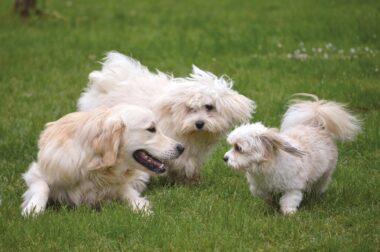
Another significant sign of good social behavior in dogs is their ability to read social cues. Dogs can sense the emotions of other creatures, showing empathy by adjusting their behavior in response. For instance, when a dog approaches another animal that appears fearful or anxious, it may display calming signals, such as looking away or turning its body sideways. This behavior showcases an understanding of boundaries and respect for the emotions of others. Additionally, a dog that can navigate social situations without excessive barking or jumping demonstrates good impulse control. These traits are indicative of a well-adjusted dog, capable of maintaining pleasant interactions. Furthermore, good socialized dogs often engage in parallel play with other dogs. This means they can share space and play near each other without direct confrontation, promoting positive experiences. Owners can support this behavior through gradual introductions to new dogs in controlled environments, ensuring that social behaviors are effectively reinforced. Regular socialization, whether through dog parks, training sessions, or playdates, can help nurture these essential attributes. Developing a dog’s social skills not only enhances their enjoyment but also contributes to a harmonious living environment.
Confidence in New Environments
Confidence is another essential marker of good social behavior in dogs. A confident dog tends to explore new environments without hesitation and actively engages with unfamiliar dogs and people. These dogs often exhibit curiosity, approaching new situations with an open demeanor rather than retreating or displaying fear. Signs of confidence include a steady gait and a wagging tail that is high, suggesting eagerness and willingness to engage. Such dogs are generally open to positive interactions, creating a welcoming atmosphere in social settings. Furthermore, a well-socialized dog may display appropriate and controlled excitement when encountering new experiences or individuals. This excitement should not manifest as frantic behavior but rather as enthusiasm shown through a calm and positive attitude. It’s crucial for owners to encourage and reward this confidence through positive reinforcement. Engaging in classes or organized playdates can significantly boost a dog’s confidence with both dogs and humans. Last, exposing dogs consistently to a variety of stimuli, ranging from different sounds to diverse people, is fundamental. This ongoing exposure helps cultivate a well-rounded, confident dog that thrives in social activities.
Another noteworthy aspect of good social behavior is a dog’s ability to share space with other pets and people. Dogs that exhibit this trait can lay down casually next to or near friends or family without displaying anxiety or possessiveness over their personal space. This allows for smoother interactions and helps to establish a sense of trust and security. Especially in multi-pet households, observing how a dog respects boundaries is crucial. For instance, a dog that allows another pet to approach its food bowl or resting area without reacting negatively shows strong social skills. Additionally, dogs that can tolerate petting and handling from various people without signs of discomfort reveal a well-socialized temperament. Owners can reinforce this behavior through training exercises that encourage patience and calmness during interactions. A well-mannered dog that is willing to share space also tends to exhibit less territorial behavior over toys or resting spots. This behavior is essential in fostering positive relationships between dogs and humans. Ultimately, promoting sharing behavior early will lead to happier, more socially adept dogs that enhance their surroundings.
Engaging and Positive Interaction
Engaging interactions are fundamental signs of good social behavior in dogs. A dog that enjoys interacting with people and other animals typically shows a desire to communicate through play and social activities. Playful dogs will invite others to join by initiating games such as fetch or chase. They will often look back at their owners or other dogs while playing to ensure everyone is included in the fun. This behavior reflects good social interest and highlights the dog’s ability to engage positively. Moreover, maintaining a friendly disposition, such as greeting new acquaintances with an enthusiastic but controlled demeanor, is crucial. Dogs that jump excitedly but can settle down upon human command demonstrate an eagerness to build relationships without overwhelming others. This approach fosters connection without creating discomfort for the people or animals they meet. Positive interactions can also extend to finding joy in activities such as training sessions or obedience classes, where dogs learn appropriate behaviors. With proper encouragement, dogs will recognize the importance of engaging respectfully during interactions, ultimately enriching their social experiences and improving their overall behavior.
Another indicator of good social behavior is a dog’s ability to respond positively to training cues and commands. A dog that pays attention and follows commands exhibits a good level of social awareness of its surroundings. This attentiveness allows them to effectively manage interactions with both humans and other pets. For instance, dogs that respond well to commands such as ‘sit,’ ‘stay,’ or ‘leave it’ show an understanding of hierarchy and respect for their owners’ requests, which is vital in social situations. Moreover, attentive dogs are usually more adaptable to changing environments or unexpected social encounters. This adaptability allows them to thrive in various social situations, enhancing their overall enjoyment. Owners can support this behavior with consistent training and rewards for positive responses. Incorporating fun training activities into daily routines can strengthen the bond between dog and owner. Furthermore, structured socialization sessions can provide beneficial environments for practicing commands. This commitment to training not only reinforces good social behavior but also enriches the pet-owner relationship, both of which are crucial for a happy and well-adjusted dog.
The Importance of Supervised Socialization
Supervised socialization plays a crucial role in fostering good social behavior in dogs. By monitoring interactions, owners can ensure positive experiences that encourage well-mannered behaviors. Proper supervision helps prevent negative incidents that could lead to fear or aggression in dogs. For instance, when introducing a new dog, observing their body language and interactions can provide valuable insight into their comfort levels. This vigilance allows for timely interventions if any negative behavior arises. Additionally, engaging in controlled environments, like training classes or dog parks, enables owners to guide their dogs through social experiences. Gradually increasing the complexity of social situations can help dogs develop their skills more effectively. It’s essential to reward dogs for exhibiting positive interactions during these sessions. This reinforcement encourages continued good behavior in future encounters. Furthermore, supervised play dates with familiar, well-mannered dogs also bolster confidence in social scenarios. The experiences gained through supervised socialization nurture a dog’s ability to respond effectively to diverse environments. Overall, committed supervision lays the foundation for a dog to grow towards being a confident and well-adapted social companion.
In conclusion, recognizing and fostering good social behavior in dogs is vital for a harmonious relationship. Observing signs such as relaxed body language, positive interactions, and the ability to read social cues contributes to understanding their social skills. Owners can promote good behavior through consistent socialization and training, offering opportunities for exploration and engagement. Ensuring that dogs learn proper ways to interact sets the groundwork for partnerships based on trust and affection. Furthermore, the confidence to navigate new environments and share space with others reflects a dog’s overall adjustment to various situations. Moreover, positive engagement highlights the importance of play, reinforcing their sociability. Proper training and supervision can cultivate an environment where dogs thrive socially and emotionally. In turn, nurturing these skills enhances the dog-owner bond, leading to a richer companionship. As a result, these well-socialized dogs are more balanced and happier, providing joy to their families and communities. By emphasizing the significance of social behavior, we can pave the way for future generations of well-rounded and friendly dogs. Ultimately, every dog deserves the chance to flourish socially and make lasting connections.