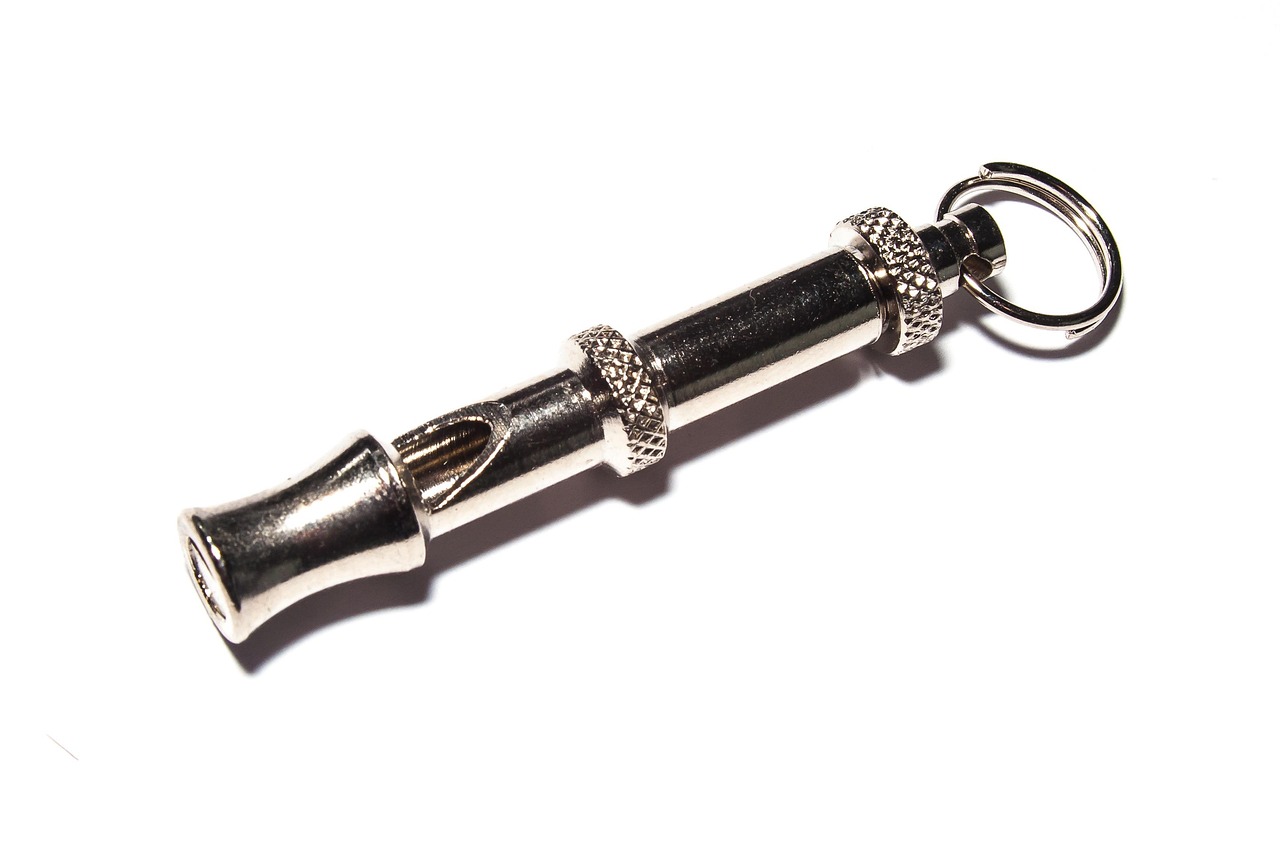

The Best Colors for Dog Training Whistle Lanyards and Why
Choosing the right color for your dog training whistle lanyard can influence its effectiveness and visibility. Bright colors like red, orange, and neon green are excellent options as they stand out in nature, ensuring you won’t lose them easily. On a training field or in a park full of other distractions, a bright lanyard can catch your eye, making it easier to keep your whistle handy. When searching for a lanyard, consider options that have reflective material; this can be beneficial during low-light conditions, such as early morning walks or evening training sessions. Colors can also convey psychological influences on your dog. For example, vibrant colors may evoke a sense of excitement, while more subtle colors like blue or green can create a calming effect. These factors are critical in choosing the most effective lanyard for specific training sessions, promoting a positive experience for both the trainer and the dog. In addition, ensuring that the lanyard is comfortable and adjustable will maximize your ability to use it while focusing on effective training techniques.
When considering dog training whistle lanyards, durability is paramount alongside color choice. Materials such as nylon or polyester are popular as they withstand wear and tear from everyday use. Introducing a lanyard in a green or brown shade ensures it blends in with outdoor environments, making it less likely to be a distraction for dogs. However, when you’re in low-light conditions, these colors may pose challenges in visibility. Reflective materials not only add safety but also help trainers locate their lanyards quickly, avoiding misplacement during training sessions. Just as different colors hold significance, so do the lengths of lanyards. Shorter lanyards can be great for ease of access, while longer ones allow more freedom in movement. Some trainers prefer a clip option, which enables rapid removal from the neck without any hassle. It’s important to find a balance between functionality and aesthetic preference. Thus, testing various colors in real-life scenarios can lead to the best choice for your lanyard, empowering you and your dog’s training routines and enhancing the learning environment.
The Psychological Impact of Colors
The psychological effect of colors plays a significant role in dog training, impacting both the trainer and the dog. Bright colors can help facilitate a more exciting environment during training, encouraging higher energy levels in active dog breeds. For instance, colors like yellow and orange reflect playfulness and stimulation, aligning well with positive reinforcement techniques. Additionally, certain colors can improve your mood and motivation. A vibrant lanyard can serve as a visual cue for the trainer, providing a sense of readiness and enthusiasm. On the other hand, cooler colors, such as blue and purple, evoke calmness and reassurance, which can be beneficial for anxious dogs who may react poorly to overstimulation. Hence, choosing a lanyard that resonates with the desired training atmosphere is essential. Plus, identifying how certain colors affect your dog’s behavior can guide one in selecting the appropriate options based on needs. By effectively utilizing the psychological properties of colors, trainers can foster a conducive environment that promotes learning, bonding, and overall success in training endeavors.
In addition to psychological influences, the practicality of color in outdoor environments cannot be overlooked. When training in wooded or grassy areas, opting for shades like green or brown might initially appear advantageous, providing camouflage for seamless integration into nature. However, the trade-off is visibility; during critical moments when attention is divided, a lanyard that blends in with the surroundings could lead to misplacement. Bright and reflective colors stand out against varying backgrounds, ensuring you can spot your lanyard among the leaves or grass. Studies suggest that trainers who use high-visibility lanyards report fewer instances of losing their equipment, leading to more focused training sessions for dogs. Moreover, bright colors can act as a signal to the dog, helping establish an association between the training cue and the object. Over time, this can lead to improved response rates, as the dog learns to recognize the signal more efficiently. Ultimately, investing in a lanyard that is both functional and well-colored enhances your training process, making all interactions more engaging and effective.
Color Variations for Different Training Scenarios
Depending on the specific training activities or environments, varying colors may work better for specific tasks. For instance, prefer high-visibility options for agility courses or competitive events where precise timing is essential. Colors such as fluorescent pink or bright yellow can significantly enhance recognition amidst energetic environments. Alternatively, when working on basic obedience training in tranquil outdoor spaces, deeper hues like navy or forest green can foster a calming environment while still providing you with a recognizable tool. Seasonal variations may also come into play; choosing warm colors in autumn settings promotes attractiveness and visibility. Testing lanyards in different outdoor conditions allows you to determine which hues hold up well against natural backdrops while still serving practical functions. Additionally, some trainers prefer using color coding; different colors can represent different commands or training skills. This method streamlines the training process, allowing both the trainer and the dog to build a quicker understanding of various cues. As a result, trainers learn to adapt and select colors that resonate with their unique training objectives and dog breeds.
Beyond the mere functionality and aesthetics of color selection, the emotional connection to the lanyards is also noteworthy. Many trainers ultimately find attachment to specific colors over time, creating a sense of identity in their training approach. For example, a bright red lanyard might become synonymous with success in the agility ring, transforming it into a motivational symbol. The personal stories and preferences that trainers develop can further enhance the overall experience while working with their dogs. Furthermore, colors may evoke memories tied to successful training moments or cherished milestones. This emotional connection can translate into a more engaged and passionate training experience, fostering a deeper relationship between the trainer and the dog. In essence, the value of aesthetically pleasing and suitable lanyard colors cannot be overstated. These choices not only influence training effectiveness but also contribute significantly to the joy found in shared experiences throughout the training journey.
Making the Right Choice
Ultimately, the process of selecting the best colors for dog training whistle lanyards intertwines functionality, visibility, and emotional significance. If you’re predominantly training outdoors, make the practicality of bright colors a priority; this helps ensure your gear is noticeable and accessible in outdoor adventures. The adjustable lanyard design should also complement the overall training experience, allowing for easy wear and retrieval during sessions. Additionally, it’s worth exploring custom lanyard options; specialized prints paving the way for more personal expression often leads to an invested interest in the training process. In conclusion, consider using a combination of bright and subtle colors to create adaptable training tools. Observing how your dog responds to colors can help refine selections further, leading to improved engagement during your training sessions. By maintaining a focus on positive reinforcement and manageable training environments, finding the perfect lanyard color won’t just support practical needs; it can cultivate a fulfilling and memorable experience for both trainers and their beloved dogs along the way.
With the variety of dog training whistle lanyards available, embracing the adventure of color selection can be an enriching experience. Review the color options available and consider factors such as weather conditions, the excitement level of training, and the dog’s needs before making a decision. You can also obtain insights from fellow dog trainers regarding their preferred colors and designs. Online communities often provide feedback about visibility and durability, contributing to informed choices. Participating in training workshops can be beneficial, as they allow you to observe how specific colors influence dogs’ behavior. In light of this, expanding one’s knowledge on color psychology benefits not only personal preferences but also training practices. Thus, you can craft a personalized color palette that aligns seamlessly with your goals and experiences. By combining information and personal exploration, you’ll enhance both your and your dog’s training efficiency. Do not hesitate to involve your canine companion in the lanyard selection process, as responses to colors can vary greatly among individual dogs. Remember that successful dog training heavily relies on establishing a cooperative relationship, and every aspect, even the color of your lanyard, plays a significant role in that journey.