
The Connection Between Vitamins and Joint Health in Sporting Dogs
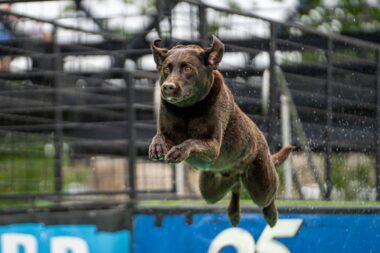
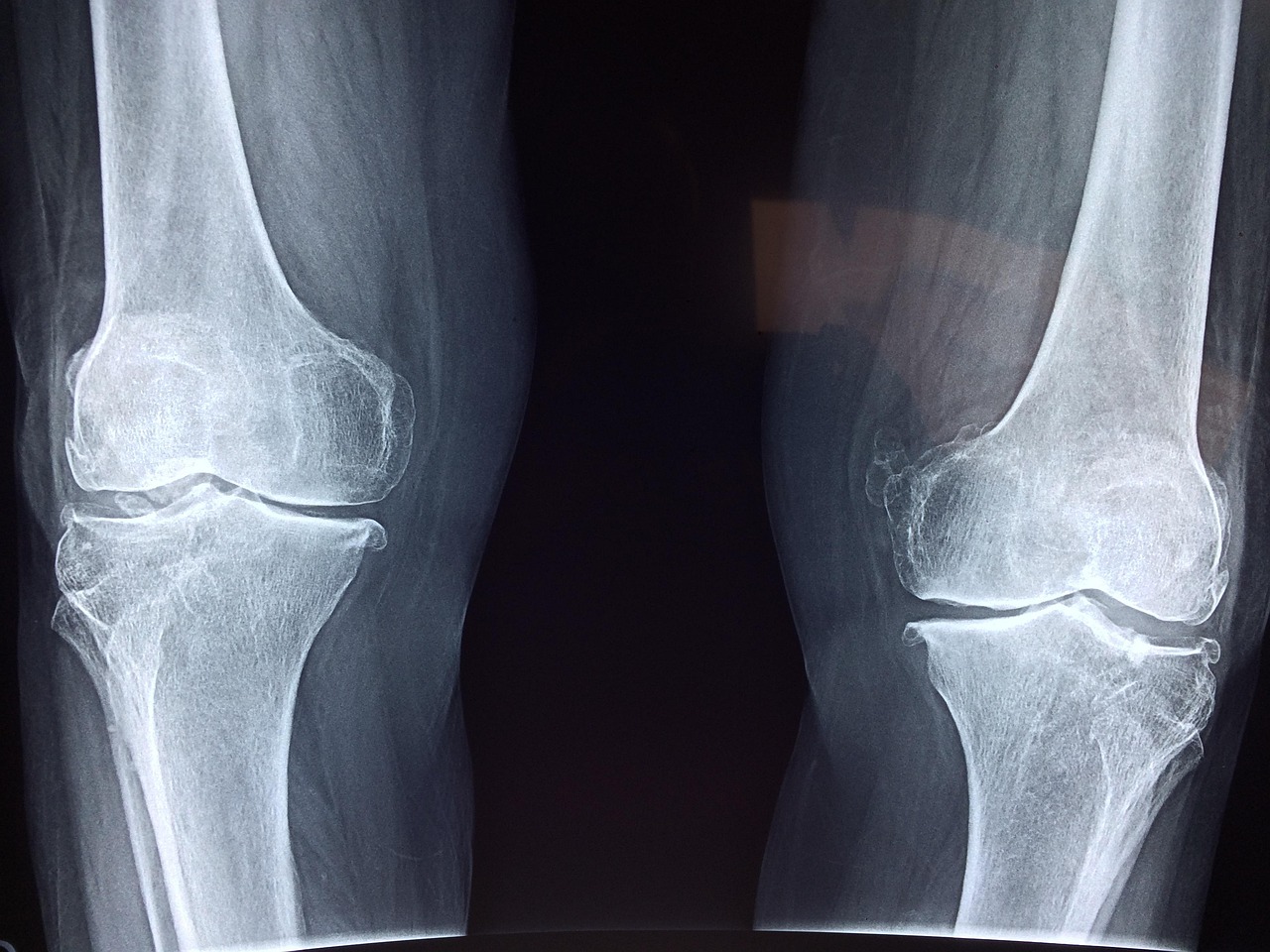
Sporting dogs, known for their agility and strength, require optimal nutrition to support their active lifestyles. Among these dietary needs, vitamins play a crucial role, particularly in maintaining joint health. A dog’s joints undergo significant stress due to rigorous activities such as running, jumping, and retrieving. Essential vitamins, notably Vitamins C and E, serve as antioxidants, helping to reduce inflammation and oxidative stress in these high-impact areas. Furthermore, Vitamin D is vital for calcium absorption, ensuring that bones remain strong. Working dogs might also benefit from added Vitamin A, which contributes to maintaining a healthy immune system, further supporting their joints through overall health. Dog owners should be mindful of the specific vitamin amounts their pets receive. It is also important to match vitamin intake with an active dog’s food or supplements. When properly balanced, vitamins can help sports dogs recover from injuries and enhance their performance levels. Regular vet checkups can help reinforce the importance of these nutrients. A well-rounded vitamin regime tailored to their needs could foster long-lasting joint health and vitality for sporting dogs.
Additionally, the incorporation of Omega-3 fatty acids is highly beneficial for joint support in working dogs. Vitamins are essential in maintaining overall health, yet they work best when complemented by these fatty acids. Omega-3 aids in reducing joint inflammation, thus improving mobility and comfort during activities. It is common for sporting dogs to experience wear and tear on their joints, especially when performing intense exercises regularly. Therefore, dog owners are encouraged to seek out food formulated with Omega-3 or consider supplements. Fish oil, for example, is a rich source of Omega-3. Regular intake can lead to noticeable improvements in their physical performance, such as increased agility and stamina in the field. Furthermore, combining vitamins with Omega-3 might also support skin and coat health, leading to an overall enhancement of the dog’s well-being. Pet owners should consult with veterinarians to properly assess their dog’s individual needs and adjust their diets accordingly. Providing balanced nutrition through vitamins and Omega-3 strengthens the foundation for a dog’s health, ultimately leading to improved performance in strenuous activities and longevity.
Another vital aspect of vitamins for sporting dogs is their role in tissue repair and recovery after strenuous activities. Physical exertion can lead to minor injuries and muscle soreness, which are common among active dogs. Vitamins B6 and B12, along with folic acid, contribute decisively to the synthesis of proteins and the growth of tissues. These nutrients are fundamental for muscle recovery and repair, crucial for dogs involved in rigorous sports settings. With adequate intake of these vitamins, dogs may find they recover more quickly after a long day of work or play, ensuring they are ready for the next challenge sooner. Feeding high-quality dog food enriched with these vitamins encourages optimal recovery times. Moreover, dog owners should remain committed to monitoring their dog’s activity levels to avoid overexertion, which can hinder recovery. In addition to supplementation, interactions with antioxidants and omega fatty acids enhance the effectiveness of these vitamins. Regular assessment and a proactive approach to joint and muscle care through proper nutrition can significantly raise the overall quality of life in sporting dogs.
The Importance of Regular Veterinary Consultations
One of the key strategies to ensure that sporting dogs receive appropriate vitamins is through regular veterinary consultations. Veterinary experts are well-trained to recognize the specific nutritional needs based on a dog’s age, breed, and workload. Tailored recommendations allow pet owners to optimize vitamin intake effectively while addressing any health concerns. During examinations, veterinarians may also assess the dog’s joint health and suggest necessary adjustments to their diet. An individualized plan might include special vitamin supplements or dietary adjustments to bolster joint support, which is critical for active canine athletes. Moreover, veterinarians stay informed about the latest research and advancements in pet nutrition, enabling them to provide up-to-date advice to dog owners. In some cases, blood tests may help determine whether a dog is deficient in essential vitamins or nutrients. Such proactive diagnostics can help prevent long-term health problems that could stem from deficiencies. Open communication between the owner and the veterinarian forms the foundation for maintaining a dog’s best health, thereby enhancing performance in sporting endeavors.
Moreover, incorporating a variety of nutrient-dense foods can significantly improve a sporting dog’s overall vitamin intake. It’s crucial for owners to consider whole foods, including fruits and vegetables, alongside high-quality dog food. Foods like sweet potatoes, carrots, and greens are rich in essential vitamins that contribute positively to joint health. These natural foods not only enhance the vitamin profile of a dog’s diet but also provide additional fiber, which promotes healthy digestion. Vegetables are also low in calories, making them an excellent treat alternative for maintaining an ideal weight, crucial for joint health. Some fruits, like blueberries, are rich in antioxidants, providing extra support against inflammation and joint soreness. Varying meals with nutrient-dense options can spark a dog’s interest in food while contributing to overall health. Moreover, experimenting with homemade meals might be a fun avenue for owners to explore. However, ensuring that these foods are safe and balanced is paramount. Consulting with a vet or pet nutritionist can help solidify healthy feeding practices that keep the joints of sporting dogs functioning optimally.
In conclusion, understanding the connection between vitamins and joint health in sporting dogs is essential for every pet owner engaged in working or sporting activities. Armed with knowledge and proper nutritional tools, owners can significantly influence their dogs’ health and performance. Each vitamin plays a specific role, from reducing inflammation to supporting muscle recovery. Moreover, combining these vitamins with Omega-3 fatty acids and high-quality dog food enhances their effectiveness. Regular veterinary consultations are crucial to tailor diets effectively and ensure no deficits in essential nutrients. Additionally, incorporating whole foods provides a flavorful variety while fostering nutritional balance. Owners should also remain attentive to their dog’s individual needs, adjusting dietary plans as necessary. These proactive strategies lead to healthier, happier, and more active dogs capable of excelling in their respective sporting fields. By placing a strong emphasis on nutrition, dog owners create a win-win scenario for their pets. This commitment reinforces that sporting dogs receive adequate support for joint and overall health, allowing them to enjoy an active lifestyle well into their golden years.
Nutritional balance, especially through vitamins designed for joint health, paves the way for long-lasting vitality in dog athletes. The visible connection between a well-nourished body and athletic prowess ensures that sporting dogs remain competitive and healthy. Recognizing that each dietary component serves a purpose also helps pet owners make informed decisions about their dog’s nutrition. Furthermore, the benefits of early interventions emerge through observing dogs that thrive, showcasing energy and enthusiasm for their tasks. It is essential to foster a mindset of lifelong nutrition considerations that evolve with age and activity levels. Owners should also inspire their pets and reinforce healthy habits. Highlighting the need for supplemental support through careful planning, these practices seal the commitment to a positive outcome. Sports dogs who are adequately nourished reflect the effort and dedication put into their dietary programs. Ultimately, by prioritizing vitamins that support joint health, owners set their dogs up for success. Following these guidelines ensures that pet athletes can experience their full potential in work and play while maintaining optimal health.
Continually educating oneself on nutrition for sporting dogs is a rewarding venture that will result in improved well-being. Sharing knowledge within communities fosters better awareness of the nutritional requirements not commonly understood by all dog owners. Pet owners can exchange tips regarding suitable foods, vitamin brands, and effective supplementation, enhancing the quality of care. Additionally, online resources and forums can serve as platforms for discussing experiences with diet changes affecting sporting dogs’ performance. Recurring veterinary visits underlined by ongoing dialogues about dietary matters promote transparency and foster trust between pet owners and their veterinarians. Encouraging local events that include veterinary speakers on nutrition and joint health can also enhance community awareness. Owners who emerge with newfound knowledge may also influence others in their circle, creating a ripple effect that promotes health-focused canine practices. Establishing connections with fellow dog owners interested in joint health or sports can lead to shared resources on nutrition. The synergies developed through engagement can uncover insightful dietary strategies. Ultimately, a collaborative effort within the dog-owning community assures that every sporting dog benefits from exceptional care and nutrition tailored for their active lifestyle.