
The Importance of Hydration for Your Cat’s Health
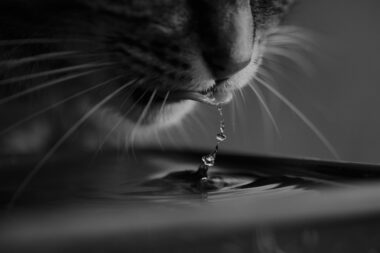
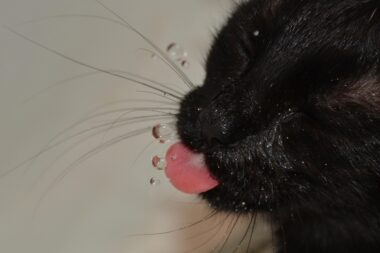
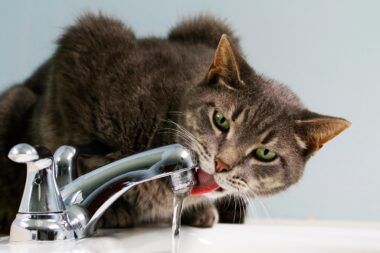
Just like humans, our feline friends need to maintain proper hydration levels to stay healthy. Cats may not always demonstrate drinking behavior, making it our responsibility as cat parents to ensure that they receive enough fluids. Hydration plays an essential role in various bodily functions, such as regulating body temperature, aiding digestion, and promoting healthy skin and coat. Without sufficient water, your cat could experience serious health issues, including kidney disease or urinary tract problems. One of the primary reasons that cats may become dehydrated is their natural instinct to consume less water, especially if they primarily eat dry kibble. To minimize this risk, consider incorporating wet food as part of their diet. Wet food contains moisture that can significantly contribute to their daily water intake. Additionally, providing fresh water daily in a clean bowl encourages drinking. You can also try multiple water stations around the house. Cats are creatures of habit, and having access to fresh water anytime helps them stay hydrated instead of relying solely on exploring their environment. Regularly monitoring your cat’s drinking habits is crucial for their well-being.
Understanding Cat Hydration Needs
Understanding your cat’s hydration needs is crucial for their overall health and well-being. Typically, cats should consume anywhere between 3.5 to 4.5 ounces of water for every 5 pounds of body weight daily. However, this number could vary based on factors like age, activity level, and overall health. Cats that eat exclusively dry food may require additional water to account for their lower moisture intake, while those on a wet food diet usually obtain enough moisture through their meals. To encourage your furry friend to drink more, ensure their water bowl is placed in a quiet, safe location away from their food. Cats can be sensitive to odors and sounds, which may discourage them from drinking. Another method to improve hydration levels involves investing in a pet water fountain. Cats often prefer running water to stagnant water in a bowl due to its freshness. Additionally, introducing feline-friendly hydration snacks can be effective. Always monitor the water supply and clean their bowl daily to prevent bacteria buildup, ensuring your cat remains healthy and active, while minimizing risks related to dehydration.
One outstanding method to keep your cat hydrated is by utilizing flavored water. Some cats find plain water unappealing, so introducing flavored options can transform their drinking experience. Adding a small amount of tuna juice or broth can entice them to drink more. It’s crucial to use low-sodium options when considering broths, as excessive salt can harm your cat’s health. Additionally, experimenting with different types of bowls can be another effective strategy. Cats often have preferences for materials, such as stainless steel, glass, or ceramic, over plastic. The choice of bowl can impact their eating and drinking habits significantly, so conduct a mini-experiment to see what your pet reciprocates best with. Another option is to introduce ice cubes made from chicken or fish broth into their water bowl, creating a dual-purpose drink that is cool and tasty. Don’t forget to keep an eye on the water level; topping it up frequently encourages your cat to drink consistently throughout the day. Understanding your feline companion’s preferences and trying various approaches helps in forming a healthier hydration routine.
Health Risks Linked to Dehydration
Neglecting your cat’s hydration needs can lead to severe health consequences, making awareness of dehydration-related risks essential. One significant risk is the development of urinary tract infections or crystals. The concentrated urine created by insufficient water intake can lead to painful conditions, requiring veterinary intervention. Furthermore, chronic dehydration can place undue stress on your cat’s kidneys, resulting in kidney failure over time. This issue is particularly pertinent for older cats, who may already experience compromised kidney function. Other symptoms of dehydration include lethargy, dry gums, and loss of skin elasticity. As a cat parent, it’s crucial to be vigilant and identify these signs early, ensuring prompt medical attention if needed. Regular veterinary check-ups are highly recommended to monitor your cat’s health and hydration status. Many vets perform routine blood tests to assess kidney function, electrolyte levels, and hydration. Moreover, it’s helpful to maintain a daily log of your cat’s water intake and overall health. Being proactive in addressing your cat’s hydration needs can significantly mitigate the risks associated with dehydration, providing them with a happy and healthy life filled with energy.
Another effective means to promote hydration involves incorporating specialized wet food into your cat’s diet. Commercially available wet foods typically contain about 70–80 percent moisture, vastly increasing their daily water consumption without forcing them to drink from bowls. Mixing wet food with their favorite dry kibble offers the best of both worlds while ensuring their hydration needs are met. Some cats are resistant to dietary changes, so it’s crucial to transition slowly, mixing in the new food with their existing diet over several days. Watch for any signs of allergies or stomach discomfort each step of the way. Additionally, naturally flavored hydration options, such as broth-infused water or soup-like meals, can appeal to fussy eaters. Ensure the broth is low in sodium to prevent health issues. Experimenting with various flavors can help identify what your cat enjoys most. Keep in mind that maintaining a consistent schedule and feeding routine is just as important. By making hydration an enjoyable part of their daily routine, you will create a smoother experience for both you and your beloved feline friend.
Hydration during Hot Weather
As cat owners, we must be particularly attentive to hydration during hotter seasons. In sweltering heat, cats, like us, may struggle to adapt, increasing their risk for severe dehydration. Ensure your home remains a cool sanctuary, offering shaded, comfortable spots for your cat to retreat to during peak temperatures. Access to fresh water becomes all the more critical in these conditions. Hydration levels can drop quickly when temperatures rise, so consider adding ice cubes or chilling their water dish to keep it cool and appealing. It’s essential to keep a close eye on your cat for any signs of heat-related issues such as panting, excessive grooming, and reduced appetite. Moreover, providing opportunities for indoor play can keep your cat entertained and mentally stimulated, minimizing the chances of lethargy. Try integrating interactive toys and vertical spaces where your cat can perch up high and observe the environment. In doing so, you help motivate them to drink by creating an engaging atmosphere. Consequently, being proactive about hydration during warmer temperatures contributes to your cat living a longer, healthier life.
Finally, it’s vital to keep an open line of communication with your veterinarian regarding your cat’s hydration status and any dietary recommendations. Regular veterinary check-ups enable early detection of any underlying issues that could lead to dehydration. Discuss any concerns regarding changes in your cat’s drinking habits, food preferences, and other health-related issues. Following your vet’s advice on nutrition, hydration, and effective monitoring techniques will enhance your cat’s well-being. You’ll find tailored advice that focuses on your cat’s specific needs. Collaboration with your vet ensures optimal hydration and overall health. Make it a habit to examine your cat’s overall behavior; watch for signs of lethargy, diarrhea, or vomiting, which may indicate dehydration. If there are sudden changes, schedule a visit to the clinic immediately. Managing your cat’s hydration is an essential aspect of responsible pet ownership, involving patience and dedication. By implementing these strategies and fostering open communication with your veterinarian, you can play an active role in ensuring a happy, healthy, and hydrated cat, allowing you to enjoy a joyful life together.