
Treats That Help Dogs Overcome Exercise Resistance
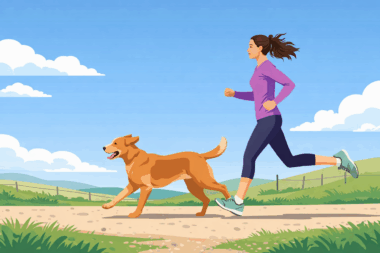
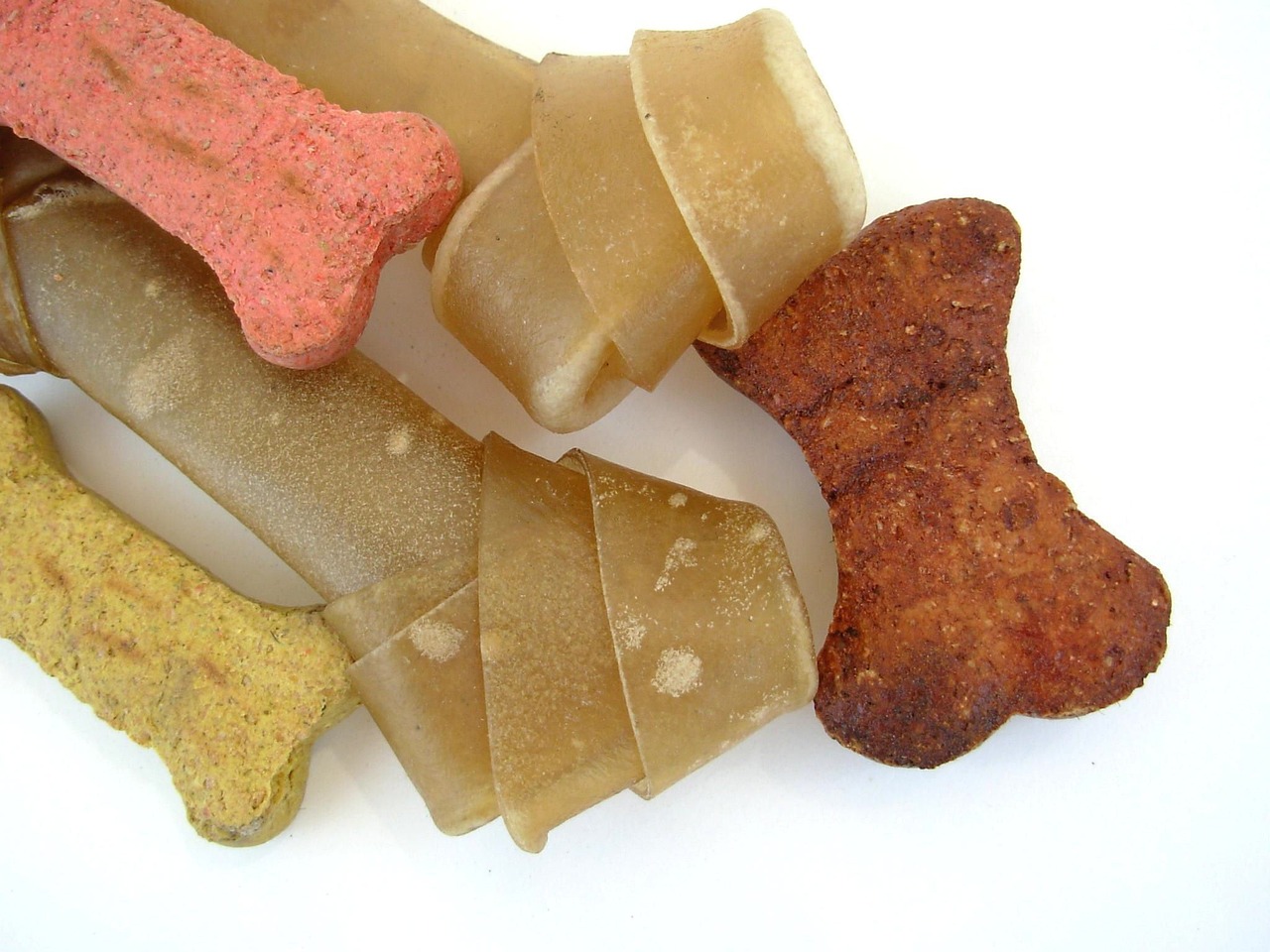
Many dog owners face the challenge of motivating their pets to exercise regularly, leading to serious health issues. Using treats as a reward system can effectively encourage your dog to be more active. The key is selecting the right treats to reinforce positive behavior. Soft, chewy treats often work best since they can be easily broken into smaller pieces, allowing for frequent rewards. Make sure to select treats that are low in calories to prevent weight gain. Additionally, consider options that are high in protein to promote muscle health, as well as being appealing to your dog’s taste buds. This approach not only aids in exercise motivation but also strengthens the bond between you and your pet, as dogs are more likely to respond positively to training with enjoyable experiences. Always supervise your dog during exercise routines to ensure safety and monitor their progress. Remember to adjust the level of exercise according to their age, breed, and fitness level. Engaging them with interactive play, such as frisbee or fetch, can further enhance their excitement for physical activity, creating a positive reinforcement cycle.
When choosing treats to motivate your dog, consider natural options that are both tasty and healthy. For example, using small pieces of sweet potato or chicken can serve as effective exercise incentives. These healthy alternatives are rich in vitamins and nutrients, promoting overall well-being while keeping your dog motivated. Think about behavioral triggers; some dogs may respond more enthusiastically to specific scents or flavors. Experimenting with different treats will help you determine what brings out the best behavior in your dog. Additionally, reward them for shorter bouts of exercise; small wins can lead to more significant achievements over time. Always complement exercise with adequate fresh water and successful training sessions with praise. This positive reinforcement ensures your dog associates exercise with enjoyable experiences. Moreover, patience is vital in this process; some dogs may take longer to adjust to a new routine. Incorporate variety in activities such as agility training, walks in different environments, or even joining in dog sports to keep exercise engaging. Over time, your dog will likely start to seek out regular physical activity, reducing exercise resistance and enhancing their quality of life.
Utilizing Interactive Toys for Engagement
Interactive toys can also be great tools alongside treats to inspire your dog to be more active. Devices that dispense treats when your dog plays with them provide mental stimulation and promote physical activity. Engaging toys can lead dogs to move around more, increasing their daily exercise levels. Kong toys stuffed with peanut butter or other healthy fillings can keep them busy for hours and encourage them to burn off energy while trying to get the treats out. For collaborative play, consider using toys that require both you and your dog to interact together, such as tug ropes or throw toys. This not only rewards them with treats but also offers social interaction, which is important for a dog’s emotional well-being. Additionally, establishing a consistent play schedule incorporating these toys can reinforce the desire to engage in physical exercise. With repetition, they will associate playtime with rewards, effectively overcoming any exercise resistance. Allow some flexibility in the routine to keep things fresh, adjusting activities based on your dog’s preferences or energy levels to ensure it remains an enjoyable experience.
Another effective strategy is to make exercise a part of your dog’s daily routine. Setting specific times for walks promotes consistency and helps build a habit of activity. Use treats to guide them through various exercises at home or in the yard, like playing hide and seek with their favorite toys. This method can also reduce exercise resistance as they learn that movement is associated with fun and delicious rewards. Ensure that treats are spaced out adequately during the activity, allowing your dog to anticipate the next reward. A simple trick is to keep a treat pouch handy while walking, so you can reward them for good behavior immediately. Always acknowledge their efforts with verbal praise in addition to the treats; dogs thrive on affection and recognition. Varying the locations and times for exercise can keep their interest piqued, preventing boredom and encouraging more enthusiasm. Progressively increase the intensity of the activities as your dog becomes more receptive. The goal is to create an enjoyable and rewarding exercise experience, fostering a healthier lifestyle for your furry friend while reducing any reluctance related to physical activity.
Incorporating Exercise into Daily Activities
Your own lifestyle habits can influence your dog’s exercise routine. Consider incorporating your dog into your daily activities, such as taking them along during errands where possible. A walk to the mailbox or playing in the yard provides opportunities for movement without requiring a dedicated exercise session. Making these small adjustments in your routine reinforces that physical activity is a natural part of their day. It’s essential to keep your dog’s energy levels in mind and adapt activities accordingly during high temperatures or inclement weather. On rainy days, indoor activities like setting up an obstacle course with furniture can keep their spirits high while remaining active. Use treats to guide them through the course, celebrating each successful jump or maneuver. This approach stimulates their minds while allowing for physical movement. Remember to focus on their comfort and safety, avoiding excessive strain on their joints, especially in older dogs. Recognizing and adjusting for their limits while promoting movement will ultimately make exercise a regular and anticipated aspect of their lives, reducing resistance and fostering better health.
Observing your dog’s preferences is crucial in tailoring an effective exercise routine. Each dog is unique, with different levels of motivation and energy. Some may require more stimulating exercises, while others do well with low-impact activities. Identifying these preferences can enable you to use treats effectively to boost motivation for whatever type of exercise they respond to best. For dogs that favor playful activities, using toys that dispense treats or encourage interaction may yield great results. For more relaxed dogs, leisurely walks with the promise of a treat afterward can provide the motivation they need. Also, pay attention to how your dog reacts to different settings; some dogs thrive in busy environments, while others favor calm, quieter areas. You may need to tailor your approach based on your observations to prevent resistance to exercise. Managing their exercise based on their energy levels can aid in establishing a routine that supports their health and helps you bond as companions. Rewarding your dog with high-value treats can create a positive link with the exercise, ensuring they can enjoy it, further motivating them to participate willingly in future activities.
Conclusion: Maintaining a Healthy Exercise Routine
Establishing a healthy exercise routine requires patience, understanding, and the strategic use of treats. While certain dogs may initially resist, presenting exercise in a fun and rewarding way is vital for their long-term health and happiness. Transitioning into a more active lifestyle should always be done gradually, respecting each dog’s individual needs and limits. Regular assessment of their exercise preferences and enthusiasm will inform necessary adjustments along the way. Focus on utilizing interactive activities that also facilitate bonding since this creates a positive feedback loop where dogs see playtime as rewarding. Additionally, consider setting up playdates with other dogs to provide socialization and motivation to exercise. As your dog becomes more accustomed to their new routine, you should observe improved energy levels, reduced resistance to exercise, and overall healthier behaviors. Always remain adaptable, ready to shift activities based on their changing needs. Ultimately, with the right approach and the right treats, your dog will not only overcome exercise resistance but look forward to every opportunity for play and movement, leading to a happier, healthier life together.
This concluding paragraph brings to light the extensive benefits of treat use in enhancing canine exercise motivation. When thoughtfully integrated into a dog’s exercise regimen, treats can significantly elevate the effectiveness of training and activity sessions. Dogs thrive on reinforcement, so linking exercise with positive experiences can create lifelong habits that prioritize health and well-being. Moreover, it cultivates a stronger bond between pet and owner due to shared enjoyable moments. Always be observant of your dog’s feedback concerning their exercise preferences and adjust accordingly. By maintaining an appropriate balance of treats, praise, and the diversity of activities, you enable a more accessible way for your canine companions to embrace fitness. Awareness of their health status ensures all activities remain safe and suitable. Consistency remains key; couples commit to modeling an active lifestyle alongside their dogs. In the end, the combination of using treats for motivation and fostering a love for exercise leads to a happier, energized partner for all adventures. Your commitment to facilitating these positive experiences helps ensure a promising future for you and your four-legged friends.