
Understanding Your Cat’s Body Language in the Car
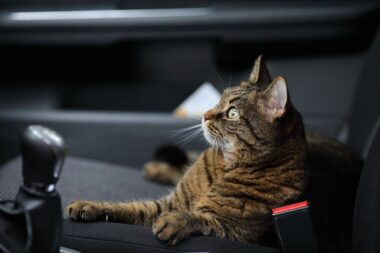
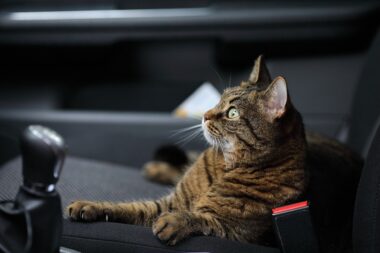
When traveling with your cat in a car, it is important to understand their body language. Cats can communicate their emotions through specific behaviors and postures. This knowledge can help keep both you and your feline friend safe during the journey. For instance, a relaxed cat may purr or knead with their paws, showing they are content. Conversely, when a cat is stressed, their body may become tense, and they might vocalize loudly. Understanding these signals can prioritize comfort and reduce anxiety while on the road. Many cats may seek small hiding spots, indicating they want to feel secure. Providing a calming environment in the car is vital. Accessories such as a comfortable carrier or blanket may help mitigate stress. Additionally, familiar toys can offer comfort and distraction. Remember that a cat’s behavior can change throughout the trip, as they may react differently to various stimuli. Keeping an eye on your cat’s body language allows for timely adjustments. Therefore, regular observation during travel can lead to smoother, stress-free journeys. Always prioritize your cat’s safety, ensuring they are securely restrained and comfortable during travel.
Cats, much like humans, experience a range of emotions, especially during car travel. Recognizing specific types of fearful behaviors can help address the concerns your feline companion may have. Look for behaviors such as ears flattened against the head, dilated pupils, or a tail tucked tightly against the body. These signs indicate that your cat is afraid, which may be due to the unfamiliar noise of the car, rapid movements, or apprehension about the journey ahead. Understanding this behavior can motivate you to create a reassuring atmosphere in the vehicle. As a first step, consider using a calming pheromone spray or diffuser to help soothe an anxious cat. Moreover, frequent breaks during the trip can help. Letting your cat out of their carrier for brief periods allows them to stretch, hydrate, and adjust to their surroundings. Additionally, providing treats or engaging toys can help alleviate stress and redirect attention away from the situation. As you travel, ensure that the environment remains calm and quiet. Keeping conversations gentle and soothing can contribute to a more peaceful experience for your cat, making every journey more enjoyable.
Creating a safe travel experience for your cat involves planning proactively. One of the essential considerations is ensuring the carrier is a positive space for your cat. The carrier should be well-ventilated and large enough so your cat can stand, turn around, and lie down comfortably. A familiar blanket or favorite toy can turn it into a comforting haven. Additionally, securing the carrier in the vehicle is crucial. Placement should be out of the airbag’s impact zone, preferably on the floor or the back seat. Secure the carrier with a seatbelt to prevent abrupt movement during sudden stops. It is also advisable to avoid letting your cat roam freely in the vehicle, as distractions can create hazards for both the driver and the cat. Furthermore, it is beneficial to keep the vehicle at a comfortable temperature – cats can be sensitive to heat and chill. Regular checks on your cat’s condition throughout the journey can ensure it remains stable and comfortable. Make sure to have a steady supply of fresh water available, especially during longer trips. This proactive planning culminates in a much safer and more enjoyable excursion for both you and your beloved pet.
Recognizing Signs of Stress in Cats
In addition to understanding positive behaviors, recognizing signs of stress is essential during car travel with your cat. Some common indicators include excessive grooming, hiding, restlessness, or panting. If your cat displays these behaviors, it may benefit from distractions or reassurances. Offering a comforting voice can help ease anxiety levels. Engage your cat with soothing words, petting, or gentle scratches in their favorite spots. You can also invest in calming products, such as anxiety wraps or calming music specifically designed for pets. Another method is to plan your trips during quiet times of the day when traffic is light. This reduces external stressors encountered by your cat during the ride. It’s essential to gradually acclimate your cat to car travel. Start with short trips to help them get used to the feeling. Over time, their confidence may build, reducing fear associated with the car environment. Do not forget that patience and understanding are paramount in this process. Frequent positive reinforcement, such as treats or praise, can cultivate a more relaxed response over time. Increasing familiarity may transform car rides into enjoyable adventures for you and your cat.
Maintaining a calm environment is imperative for ensuring safe and pleasant car travel with cats. Eliminating sudden loud sounds can greatly reduce unnecessary stress for your feline friend. Using music specifically composed for cats can have a remarkably soothing effect during travel. Choosing a well-known route may also enhance your cat’s feelings of safety and familiarity. If your feline companion is prone to anxiety during travel, consider asking your veterinarian about possible medications. Some cats may require additional help coping with stress. Another effective strategy is to reward your cat for calm behavior in the vehicle. This practice strengthens positive associations with car travel. Furthermore, it can be beneficial to observe the dietary habits of your cat before embarking on a road trip. Avoid feeding them directly before the journey. Cats can feel nauseous on the road, which might intensify stress and lead to travel sickness. Instead, aim to provide food several hours prior to the trip. Having a safe space for settling down during the journey can create a safe zone, allowing your pet to relax. As you integrate these practices, you are paving the way for enjoyable and safe travel experiences together.
Conclusion: Prioritizing Your Cat’s Well-Being
In conclusion, understanding your cat’s body language during car travel is integral to ensuring their well-being. With careful observation, you can recognize signs of stress or comfort that guide you in your approach. Utilizing calming techniques and ensuring the travel environment remains soothing will encourage a better experience for your cat. Always prioritize safety by securing their carrier effectively and providing essential comforts during the trip. Remember that every cat has its unique personality and preferences; patience is crucial to helping your feline friend adjust to traveling. By implementing gradual exposure to car rides and employing positive reinforcement techniques, you can foster a more relaxed state for your cat. Making the ride enjoyable requires a holistic approach that considers both mental and physical safety. Additionally, being attuned to their needs enables you to make adjustments as needed. Over time, your cat may even develop positive associations with car travel. Ultimately, focusing on your cat’s comfort and safety leads to successful travel experiences, strengthening the bond between you and your pet, ensuring every adventure is cherished.
Traveling with your cat can indeed be a rewarding experience when you understand their body language and emotional needs. Prioritizing safety and comfort makes all the difference, leading to enjoyable experiences for both cat and owner. With the right environment and sufficient preparation, you can create a travel routine where your cat feels relaxed and secure. Be observant of their reactions, adapting the journey to ensure a safe passage. Cats are inherently creatures of habit, which means they may need adjustment periods when faced with new travels. Respecting their comfort levels and using calming techniques can go a long way. Always remember that your well-being directly impacts your pet’s feeling; the calmer you are, the better they will respond. Ultimately, your focus should be on smooth and enjoyable trips together. Creating positive memories on the road strengthens your bond and familiarizes your cat with travel. With time and gradually increased comfort, car travel can pave the way for many cherished moments together. Happy travels, and here’s to many safe adventures with your beloved feline partner!