
Using Essential Oils Safely to Deodorize Dogs
As dog owners, keeping our furry friends smelling fresh and pleasant is a priority. Essential oils offer a natural solution for deodorizing dogs, but it is crucial to use them safely to avoid any adverse effects. Certain oils, such as lavender or chamomile, are known for their calming and soothing properties, making them ideal for pets. However, not all essential oils are safe for canine companions. For instance, tea tree oil can be toxic to dogs and should be avoided at all costs. Always conduct thorough research before introducing any new product to your pet’s grooming routine. Diluting essential oils in a carrier oil, such as coconut or olive oil, can greatly decrease potency and minimize risks. Additionally, consider applying diluted oils to the dog’s brush before grooming to ensure it’s spread evenly. Consult your veterinarian before using essential oils, particularly if your dog has underlying health conditions. With proper knowledge and care, essential oils can be a delightful addition to your dog’s hygiene regimen, ensuring both freshness and safety. Remember to observe your dog for any signs of discomfort when using these natural fragrances.
Before applying essential oils to your dog’s coat, it’s essential to understand their unique sensitivities and preferences. Dogs possess a highly developed sense of smell, which means strong scents can be overwhelming or irritating. When selecting oils, opt for those with milder scents that promote relaxation rather than agitation. Popular essential oils safe for dogs include lavender, sweet basil, and peppermint, all of which can provide both deodorizing and calming benefits. Additionally, consider creating your own doggy deodorizing spray by combining water, a small amount of carrier oil, and a few drops of the chosen essential oil in a spray bottle. This mixture can be lightly misted onto your dog’s coat, avoiding the eyes and nose areas. Always test the spray on a small, inconspicuous area first to ensure there’s no allergic reaction. Regular grooming, combined with safe essential oil use, will help maintain your dog’s exposure to fresh scents while reducing any unpleasant odors. However, it’s essential to maintain a balanced approach; natural methods should complement regular bathing and grooming sessions that are crucial for dog care.
Precautions When Using Essential Oils
When introducing essential oils to your dog grooming routine, understanding precautions is paramount. Certain oils can be harmful, especially when used improperly, and can lead to adverse reactions. Always ensure that any oil applied is 100% therapeutic-grade and suitable for pets. Dilution is key; essential oils should never be applied directly to your dog’s skin or coat without dilution. A common method is mixing around three drops of essential oil with a carrier oil such as fractionated coconut oil. Furthermore, be cautious about using certain oils in areas where your dog spends lots of time. Dogs may lick areas where essential oils are applied, potentially resulting in ingestion. It’s advisable to keep the application areas to their fur and not on sensitive areas like their face or paws. Additionally, always ensure adequate ventilation in grooming areas when diffusing oils and observe any behavioral changes in your pet after introducing new scents. Keeping these precautions in mind helps ensure that your dog’s grooming process remains enjoyable, safe, and effective in odor control.
One approach to using essential oils during dog grooming is to create a simple yet effective deodorizing blend. Choose oils that complement each other, such as lavender for its calming benefits and lemon or eucalyptus for freshness. Begin by combining one cup of water with a carrier oil and five drops each of lavender and lemon essential oils in a spray bottle. Shake well before each use to ensure the oils are evenly dispersed. This homemade spray can be lightly misted over your dog’s coat, providing a delightful fragrance while also soothing their nerves. It’s important, however, to apply this lightly and avoid areas where your pet may lick. Always note how your dog reacts to fragrances, as each dog has a unique sense of smell and may express preferences or discomfort. The goal is to enhance their grooming experience while ensuring their comfort and safety. Regular use of such blends not only deodorizes the coat but can also contribute to a calming routine that your dog looks forward to. Be consistent with your applications for the best experience and results.
Choosing the Right Essential Oils
Essential oils vary greatly in effectiveness and safety regarding dogs, making it crucial to choose wisely. Always consult with a pet professional or veterinarian when uncertain about specific oils, as they can advise you based on scientific evidence. Essential oils, like lavender and chamomile mentioned earlier, have proven beneficial for dogs. They can help reduce anxiety and stress, especially during grooming sessions. Other great options include rosemary, known for its antiseptic properties, and cedarwood, which helps repel insects while providing a fresh scent. While some essential oils can indeed be beneficial, others should be avoided completely due to their potential toxicity. For example, oils such as clove, wintergreen, and cinnamon should never be used on pets. Additionally, only use oils that are sourced from reputable brands to ensure they are free from harmful additives. Incorporating essential oils into your routine can be gratifying, ensuring your pet smells fresh and enjoys their grooming experience. Just remember that each dog is different, so observe how they react to any new scents introduced during grooming.
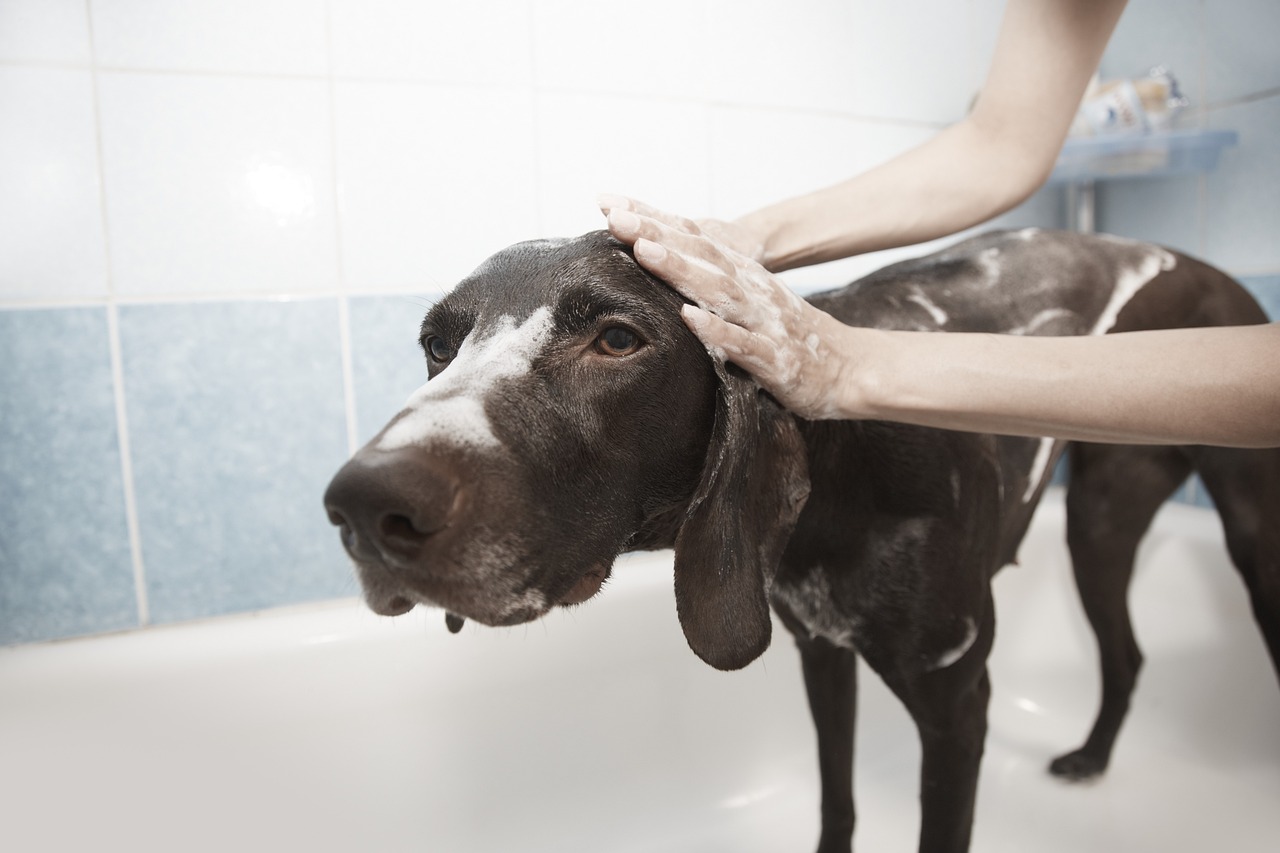
There are many ways to incorporate essential oils beyond merely applying them to your dog’s coat. Consider adding a few drops of your chosen essential oil to their bedding or inside their crate to create a soothing environment. This method allows for a continuous release of pleasant aromas, helping reduce anxiety and create a calming sanctuary. However, remember to monitor how your dog reacts when exposed to the scent in close proximity, as their preferences and tolerances may vary. Another idea is to include safe essential oils in your dog’s bath routine. A few dabs added to dog shampoo can enhance the overall grooming experience, providing both deodorizing and skin-soothing properties. When bath time is met with pleasant fragrances, your dog may become more cooperative and relaxed. Always follow up with a thorough rinse to ensure that essential oils do not irritate their skin, especially if they have sensitivities. Utilizing essential oils in various ways can create a safe, fragrant, and enjoyable atmosphere for your dog, enhancing their grooming experience overall.
Conclusion: Creating a Deodorizing Routine
In conclusion, incorporating essential oils into your dog grooming practice can provide numerous benefits, including effective deodorizing and promoting overall well-being. However, prioritizing safety and proper usage is critical for the best outcomes. Always select high-quality, pet-safe essential oils, and be diligent about diluting them appropriately to prevent adverse reactions. It’s also important to account for your dog’s individual preferences and comfort levels regarding scents, as every dog reacts differently to fragrances. By experimenting with various essential oils, you can find the blends that work best for your dog while creating a pleasant grooming routine both you and your pet will enjoy. As you develop this routine, remember the significance of combining essential oils with traditional grooming practices, such as regular baths and brushing. This balanced approach guarantees a thorough cleanliness regimen while providing aromatic benefits. Always observe for potential signs of discomfort and consult your veterinarian as needed. Embrace this natural deodorizing option responsibly, ensuring that your pet is always safe and happy while enjoying a refreshed smell that adds joy to their life.
Before applying essential oils to your dog’s coat, it’s essential to understand their unique sensitivities and preferences. Dogs possess a highly developed sense of smell, which means strong scents can be overwhelming or irritating. When selecting oils, opt for those with milder scents that promote relaxation rather than agitation. Popular essential oils safe for dogs include lavender, sweet basil, and peppermint, all of which can provide both deodorizing and calming benefits. Additionally, consider creating your own doggy deodorizing spray by combining water, a small amount of carrier oil, and a few drops of the chosen essential oil in a spray bottle. This mixture can be lightly misted onto your dog’s coat, avoiding the eyes and nose areas. Always test the spray on a small, inconspicuous area first to ensure there’s no allergic reaction. Regular grooming, combined with safe essential oil use, will help maintain your dog’s exposure to fresh scents while reducing any unpleasant odors. However, it’s essential to maintain a balanced approach; natural methods should complement regular bathing and grooming sessions that are crucial for dog care.