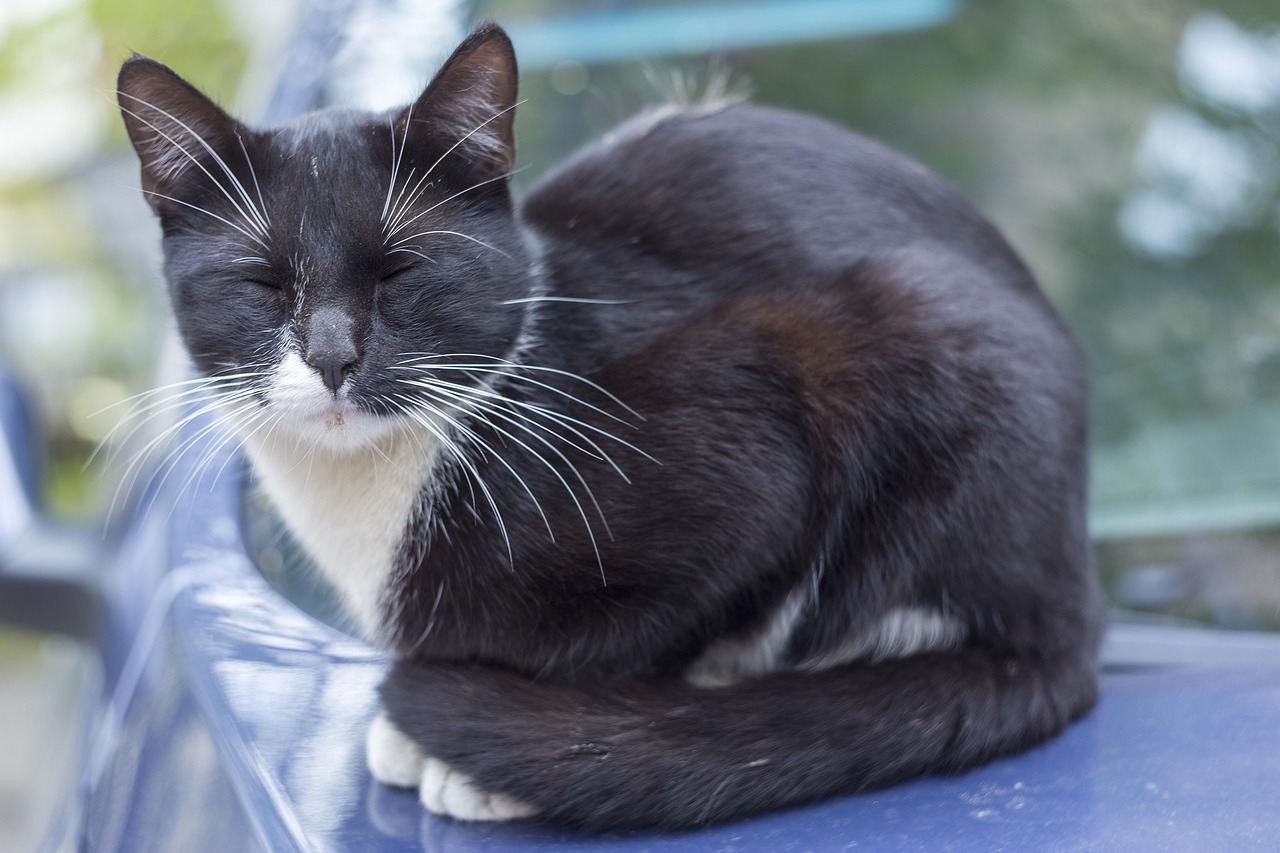

How Cats Use Vocal Tone to Express Different Emotions
Cats communicate with each other and with humans primarily through a variety of vocal sounds. Each sound can convey emotions ranging from affection to aggression. Understanding these vocal tones is crucial for cat owners striving to build better relationships with their pets. For instance, a cat may emit a soft purring noise when content, coupled with a relaxed demeanor. On the opposite side of the spectrum, a hissing noise indicates fear or aggression, usually signaling that the cat feels threatened. Additionally, meows vary in pitch and intensity; a high-pitched meow often signifies excitement or urgency, while a lower pitch can suggest dissatisfaction. Owners should also note that vocalizations can be influenced by breed and individual personality. Some breeds, like Siamese cats, are known to be more vocal overall, displaying their emotions through a wider range of sounds. Understanding these vocal cues can lead to more harmonious interactions, as recognizing when a cat is distressed can prompt timely support or intervention. Therefore, observing these nuances not only enriches the relationship with a cat but also contributes to its overall well-being.
One key aspect of vocal communication in cats is the significance of tone and pitch. Cats are adept at modulating their vocalizations based on their situations and emotional states. For example, a cat may voice its displeasure through a drawn-out ‘meow’ or a sharp, retorted sound. This expression could indicate hunger, annoyance, or a desire for attention. By closely monitoring these variations, cat owners can become more attuned to their pets’ needs. It’s important to note that the same sound can mean different things depending on context. A frustrated meow might differ from a playful one, highlighting the dynamic nature of feline communication. This complexity is further emphasized in environments where cats live together. Cats communicate a lot through sound during social interactions, educating both themselves and humans. For instance, a cat that feels safe alongside its companions may engage in softer vocalizations. At the same time, a cat that feels threatened may use more aggressive noises. Recognition of these vocal patterns fosters deeper bonds and enhances mutual understanding between cats and their humans, paving the way for better companionship.
Furthermore, the familiarity between a cat and its owner plays a pivotal role in vocal communication. Cats often learn to adjust their vocalizations based on the reactions they receive from their humans. Over time, an owner might notice that their cat develops unique sounds that seem to be tailored to elicit specific responses. For instance, a cat might begin to meow more frequently when it learns that this behavior garners attention or treats. This learned behavior is a reflection of their understanding of cause and effect, showing that cats are not just passive creatures but rather active communicators. By observing these evolving vocal behaviors, owners can become adept at responding appropriately to their pets’ needs. In multi-cat households, vocal dynamics can reveal a lot about the social hierarchy and the relationships among the cats. For example, more dominant cats may vocalize to assert their presence, while timider cats might remain silent or produce softer sounds when approached by a more assertive companion. Notably, the quality of the communication is influenced more by relationships than mere preference for vocalization.
The Influence of Environment on Vocalization
The environment plays a significant role in the vocal behavior of cats. Cats in a quiet home might exhibit fewer vocalizations than cats in a bustling environment. Stressful situations often lead to increased vocal activity as cats express discomfort or anxiety. Conversely, in a peaceful setting, a cat may feel secure enough to engage in softer, more melodic sounds, often associated with happiness. Outdoor cats, on the other hand, might vocalize differently due to various stimuli present outside. For example, sounds from birds, other animals, or humans can provoke specific vocalizations that reflect excitement or hunting behavior. Additionally, the time of day can also influence how and when a cat vocalizes. Cats tend to be crepuscular, most active during the twilight hours, leading to more vocalizations during those times as they seek interaction with their owners or other cats. Understanding these environmental influences can help pet owners create a comforting atmosphere, reducing unnecessary stress and vocal discord. This awareness ultimately leads to healthier vocal habits and allows cats to express themselves openly.
Moreover, the emotional state of a cat can heavily influence its vocalizations. A cat that feels relaxed and comfortable in its surroundings will likely communicate in more soothing tones, such as purring or soft chirps. This vocalization often signifies trust and security, showing that the cat feels safe in its environment. On the contrary, a stressed or anxious cat may produce high-pitched yowls, screams, or rapid meows. These sounds are often alarming and indicate that the cat is either frightened or agitated. Recognizing these vocal cues is essential for cat owners aiming to alleviate stress within their homes. For example, if a cat suddenly begins vocalizing excessively or changes its usual patterns, this could be a signal that it is experiencing discomfort or distress. Addressing such changes promptly can help negate potential behavioral issues or health concerns. By creating a stable and supportive environment, owners can help their cats feel more secure, which in turn can lead to a calmer cat with more pleasant vocal expressions. This emphasis on emotional well-being improves communication significantly.
In addition to vocalizations, a cat’s body language provides critical context to its sounds. While cats may vocalize, their body position, tail movement, and ear orientation complement their vocal expressions. For instance, if a cat is vocalizing but also displays an arched back and fluffed fur, this signals agitation or fear. Conversely, if it gazes at you with half-closed eyes while softly purring, the message is clear: contentment and love. Learning to interpret these signals alongside vocal tones is vital for animal companions. Moreover, some vocalizations, like trilling, often indicate excitement or an invitation for interaction, typically accompanied by an inviting body posture or a playful tail flick. As cats have evolved as social creatures, their communication style mirrors interactions observed in both the wild and domestic situations. Therefore, combining vocal and non-verbal cues enables owners to interpret their cats more accurately. This understanding fosters a richer bond and deeper empathy, ultimately enriching the experience for both the feline and its human.
Conclusion: Enriching the Human-Feline Bond
In conclusion, understanding how cats use vocal tones to express emotions significantly enhances the human-feline relationship. By paying close attention to the nuances of their vocalizations, owners can respond adequately to their cats’ needs. This responsiveness not only fosters a trusting bond but also promotes overall well-being. Moreover, recognizing the context behind vocalizations—considering factors such as environment and emotional state—empowers owners to become advocates for their cats’ comfort. The intricate communication system that cats possess is a fascinating aspect of their behavior, highlighting their intelligence and adaptability. By engaging actively in this communicative exchange, every cat owner can unlock a deeper connection with their beloved pets. Ultimately, an empathetic understanding leads to healthier, happier cats that are well-adjusted and secure in their homes. This knowledge enables cat owners to provide appropriate environments where emotional needs are met. Therefore, a focus on vocal communication serves as a beautiful reminder that cats are indeed complex beings deserving of attention and understanding, enriching the lives of both pets and their companions.
To support further learning about feline vocal communication, reading resources such as books, articles, or consulting with veterinarians can greatly assist owners in understanding their cats better. Many online platforms offer valuable insights, tips, and community forums to share experiences with fellow cat owners. Engaging in discussions about cat behavior can provide additional context and perspectives that enhance the owner’s knowledge of communication in multi-cat households. Understanding the significance of vocal tones and body language cultivates a more nurturing and empathetic environment. As research continues to evolve, insights into feline communication will contribute to improved relationships between cats and their owners. This emphasis on education allows for a greater appreciation of feline behavior, ensuring that every cat receives the love and attention it needs to thrive. Ultimately, the relationship between humans and cats is mutually beneficial; as owners become better communicators, they enhance the lives of their pets while enjoying the joy that feline companionship brings. Investing time in understanding feline vocalization is a worthwhile endeavor that pays off with stronger bonds and deeper connections.