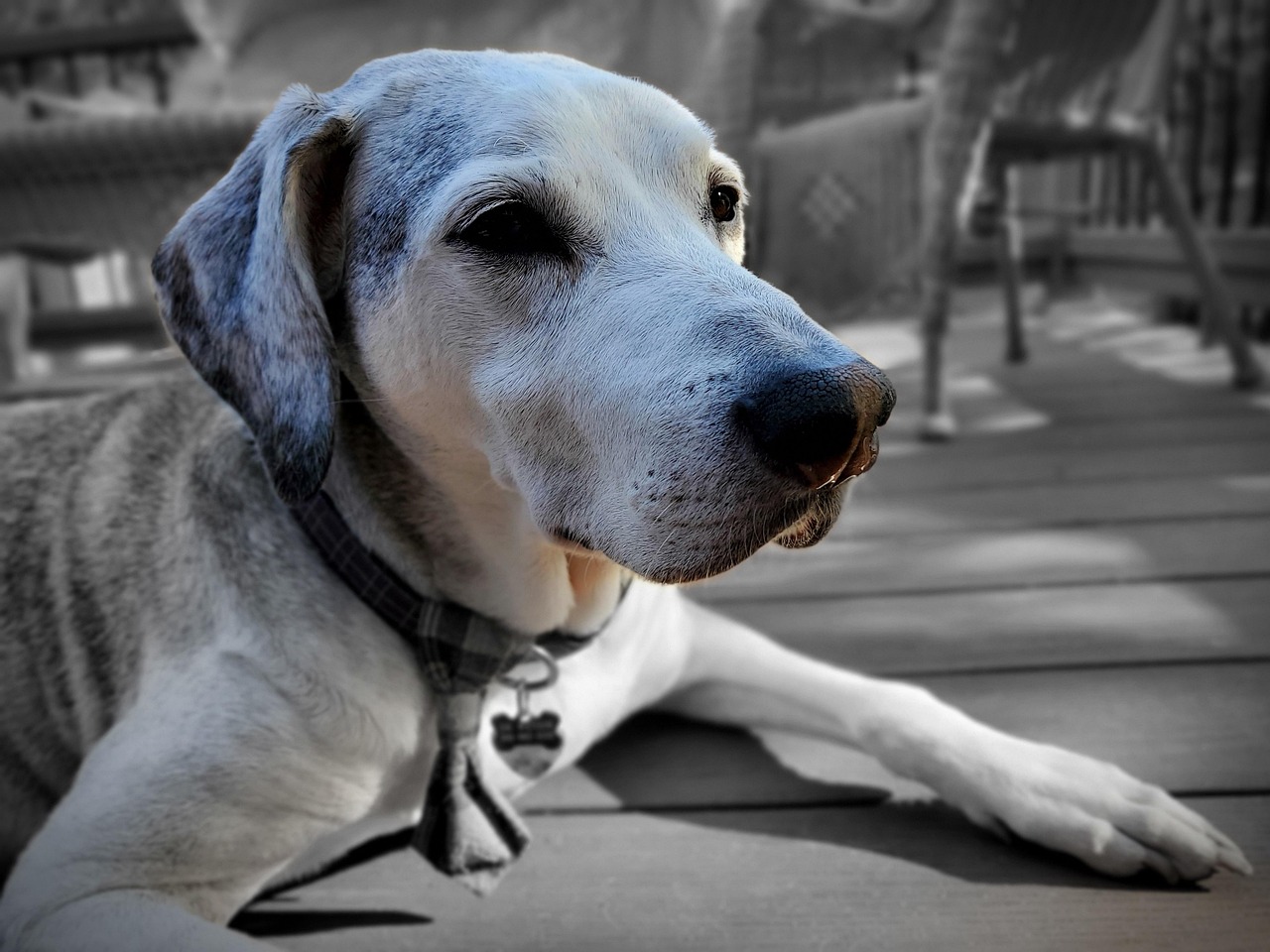

Protecting Your Senior Dog’s Skin from Environmental Harm
As dogs age, their skin undergoes various changes that make it more susceptible to environmental factors like weather and UV rays. Senior dogs frequently experience thinning skin, reduced oil production, and a decline in elasticity. These changes lead to discomfort and an increased risk of dermatological issues. Therefore, it’s vital for dog owners to prioritize skin care for their aging pets. One primary step in caring for senior dogs is maintaining proper hydration. Ensure your senior dog has constant access to clean water. A well-hydrated dog will have better skin elasticity, potentially preventing skin issues. Regular grooming is equally crucial, as it helps to remove dead hair and skin flakes. Using a gentle brush can stimulate the skin and improve circulation. Pay attention to any changes in your dog’s skin. If you notice any rashes, dryness, or unusual lumps, consult your veterinarian promptly. These could be early signs of a more serious issue requiring medical attention. Moreover, consider using specialized, vet-recommended moisturizers formulated specifically for dogs to nurture their skin and enhance barrier function without unwanted side effects.
Regular Skin Checks for Senior Dogs
Conducting regular skin checks on your senior dog can be an essential practice in protecting their skin health. Make a habit of examining your dog’s skin at least once a week. Start by checking the areas where they are most susceptible to skin irritations, such as the belly, ears, and between the toes. Look for changes in color, texture, and any signs of irritation, such as redness or swelling. If you observe any abnormalities, make an appointment with your veterinarian. It is vital to act quickly when you notice these issues, as early intervention often leads to better outcomes. Additionally, be aware that certain breeds may have predispositions to specific dermatological problems. For example, short-haired breeds may suffer from sunburn more than others, while long-haired breeds may need additional attention to avoid matting that can trap moisture and irritate the skin. Speak with your vet or a canine dermatologist to learn more about the specific needs of your senior dog’s breed. Finally, keep a log of any skin changes to share with your vet; this can help assess trends and develop tailored care for your senior dog’s skin health.
Protecting senior dogs from harsh environmental factors is essential. Environmental factors include changes in temperature, humidity, and seasonal elements. Always monitor your senior dog’s exposure to the weather. During hot summer days, provide ample shade and hydration. Consider investing in protective gear, such as a doggy sun shirt, especially for breeds with thin fur. When winter arrives, your dog may need a warm coat to shield against the cold. Prolonged exposure to extreme temperatures can result in skin issues such as dryness or cracking. Invest in a humidifier if you live in a dry climate, maintaining optimal moisture levels at home. Regular baths using hypoallergenic shampoo can also help remove allergens that affect the skin. Be mindful not to bathe your dog too frequently, as this can strip away essential oils, which are crucial for skin health. Consult your veterinarian for a recommended bathing schedule and suitable products for your dog’s specific needs. Lastly, integrate supplemental fatty acids into your senior dog’s diet, as these nutrients support skin health from the inside out, enhancing moisture retention and promoting a lustrous coat.
The Importance of Proper Diet and Nutrition
Nutrition plays a critical role in maintaining your senior dog’s overall skin health. A diet high in omega-3 and omega-6 fatty acids can significantly benefit the skin. These essential fatty acids promote skin elasticity and help maintain a shiny, healthy coat. Consider incorporating fish oil supplements into your dog’s diet. Consult your veterinarian for dosage recommendations specific to your dog’s weight and health condition. Additionally, a balanced diet rich in vitamins and antioxidants can help combat skin inflammation and irritation. Look for dog food that features organic ingredients, as these often contain fewer additives and irritants. Fresh vegetables, such as carrots and sweet potatoes, can also enhance nutrient intake. Avoid foods containing artificial preservatives or colors, as these can lead to sensitivities that manifest on the skin. Treats can also be a significant aspect of your dog’s diet. Opt for all-natural treats that reinforce skin health rather than fillers or unknown by-products. Thus, through a focus on nutrition, you can positively influence your senior dog’s skin and overall wellness effectively.
Consulting with your veterinarian about potential skin issues is essential, especially for senior dogs. Regular veterinary checkups should include a thorough skin examination, which is essential for early detection of abnormalities. Many skin conditions can be treated effectively if identified early, while neglecting them may lead to more severe issues. Allergies, whether environmental or food-based, often present with skin symptoms, and understanding your dog’s unique sensitivities is vital. Your veterinarian may recommend allergy testing to determine the underlying causes. Another critical aspect of skin health is parasite management. Fleas, ticks, and mites can cause significant irritation and can lead to infections if left unmanaged. Ensure your dog is on a veterinarian-approved prevention plan. Regularly inspect your dog’s coat and skin for any signs of parasites, especially in outdoor areas, and during peak seasons. To further support your dog’s skin, inquire about advanced treatments such as allergy shots or steroids if warranted. By prioritizing these aspects of senior dog care, you can help ensure a longer, healthier life for your canine companion.
Creating a Comfortable Living Environment
A comfortable and safe living environment can significantly impact your senior dog’s skin health. Start by ensuring your dog has a designated area away from drafts, direct sunlight, and moisture. This can help prevent skin irritations caused by environmental factors. If your home has hard flooring, consider placing dog beds or blankets to provide cozy, cushioned areas. This will help minimize the risk of sore spots or pressure wounds that can develop, especially in senior dogs with limited mobility. Regularly clean your dog’s bedding to remove allergens, dust, and dander that could irritate the skin. Also, consider using hypoallergenic cleaning products in your home to reduce chemical exposure. Pay attention to indoor humidity levels; dry air can exacerbate skin conditions. Using a humidifier during dry seasons can make your dog’s living area more comfortable. Additionally, provide easy access to fresh water and ensure proper waste disposal to avoid bacterial contamination. Understanding how to create a skin-friendly environment provides your senior dog with a happy, healthy life while minimizing environmental stresses.
Emotional well-being is also essential for maintaining your senior dog’s skin health. Stress can influence many aspects of health, including skin conditions. A relaxed dog is more likely to have a stable immune response. To support your dog’s emotional well-being, establish routines and provide mental stimulation. Engage in gentle play sessions and provide interactive toys that suit their age and abilities. Offer plenty of affection and ensure they have quiet time as needed. Regular walks, even at a relaxed pace, can help keep them physically fit while offering a change of scenery and sensory experiences. This contributes to happiness and can keep skin problems at bay. Lastly, ensure your dog has regular social interactions, whether with other pets or people. An anxiety-free environment supports a healthy immune response, which is essential for managing potential skin issues. Consider incorporating calming products, such as pheromone diffusers or calming supplements, as recommended by your veterinarian. These additions can create a holistic approach to maintaining skin health while minimizing lifetime issues for your senior dog.