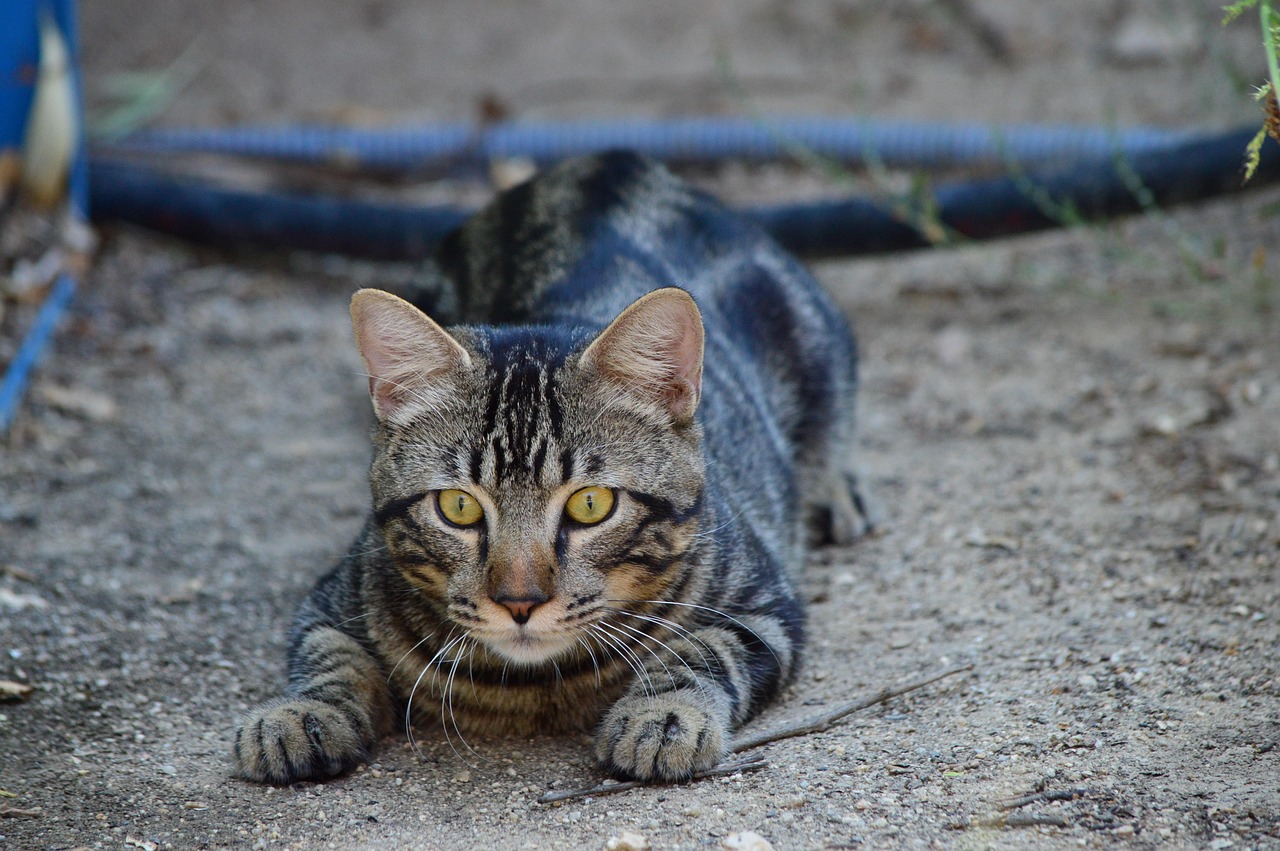

The Science Behind Cats’ Stalking Techniques
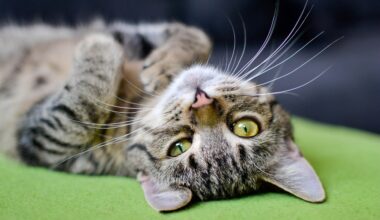
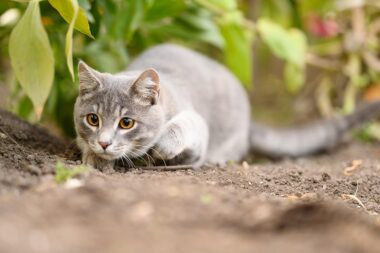
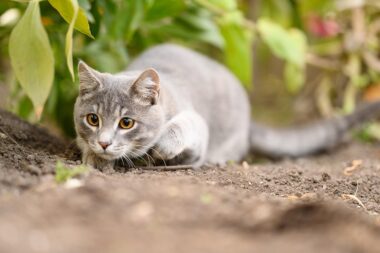
Cats are natural hunters, exhibiting a range of instincts that define their behavior. These stalking techniques are crucial for their survival in the wild. Their ancestors relied heavily on these skills for hunting prey, and this legacy continues today. Domestic cats inherit these fascinating instincts, even when they are well-fed. Understanding the nature of their stalking behavior can be quite enlightening. Most cats have a three-step stalking process: preparation, stalk, and ambush. During preparation, they assess their environment for potential threats while spotting potential prey. Stalking involves low, slow movements toward the target, building anticipation and excitement. Lastly, they execute an ambush aimed at catching their unsuspecting target off-guard. Their keen sense of hearing, sharp vision, and acute reflexes play critical roles in this process. These inherent characteristics and biological features contribute significantly to their effectiveness as hunters. Overall, observing these natural behaviors in cats offers valuable insights into their complex psychology and instincts. It unveils a world of patterns and behaviors linked to their evolutionary past and survival tactics.
One aspect that makes cats particularly unique is their highly developed predatory skills. These skills invest in solitary hunting, unlike pack hunters like dogs. A cat’s body structure is specifically adapted for stalking with stealth and speed. Their flexible spine and retractable claws allow for agile movements, which help them approach prey quietly. Moreover, the pads on their paws minimize noise, enabling a silent approach. Eye placement is another critical feature, providing depth perception and enhanced night vision. The way their eyes reflect light aids them in low visibility conditions. Suddenly, when they spot a target, their body instinctively prepares to pounce. An essential biological trait is the “slow blink,” which makes their targets feel comfortable during the stalking phase. Additionally, many cat owners have observed that domestic cats will mimic wild hunting behaviors through play. These activities maintain their natural instincts, ensuring they remain alert and active. The psychology of these behaviors intertwines with their environmental engagement, whether it’s chasing a toy or stalking a dot of light. This mimicry reinforces their instincts while satisfying their playful nature.
The Role of Environment in Stalking
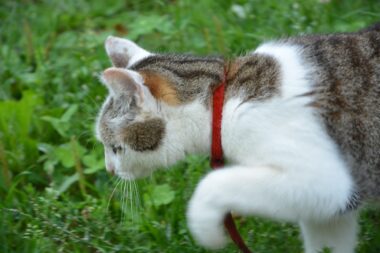
A cat’s environment plays an incredibly important role in its stalking techniques. Cats adapt their hunting strategies based on their surroundings, utilizing various terrains to enhance their hunting efficiency. Enclosed spaces, tall grasses, and even furniture can serve as hiding spots during stalking. The element of surprise is essential in hunting; thus, a cluttered or variable environment can enhance their natural behaviors. Moreover, the hunt’s success hinges on their ability to gauge distances accurately. Indoor cats may use obstacles, such as couches or curtains, to observe and plan their movements strategically. Even a humble cardboard box can become a makeshift hideout for ambush tactics. Furthermore, outdoor cats thrive in diverse scenarios, often finding optimal vantage points for stalking. These are often located on elevated surfaces, enabling them to survey their territory. Elements such as light, shadows, and noise also influence their stalking success. Different environments require specific adaptations in focus, agility, and speed, showcasing cats’ versatile hunting abilities while maintaining their prey-catching techniques. The significance of environmental influences is vital in exploring the psychology behind an individual cat’s stalking techniques.
Understanding the balance between instinct and learning in cats can reveal much about their stalking behaviors. Cats possess innate hunting instincts, but their experiences influence how they refine those skills. Young kittens often engage in play-fighting and stalking behaviors with their littermates, which sharpens their techniques. By stimulating these instincts from an early age, caregivers can provide opportunities for developing crucial hunting skills. These play sessions allow kittens to explore various methods of stalking, incorporating movement patterns they might naturally use in the wild. As they grow older, they may adapt their techniques based on feedback from their environment. Adult cats continue this pattern by modifying their habits, acquiring knowledge about prey behaviors. Moreover, when interacting with their caregivers, these cats may exhibit different stalking patterns according to their human’s reactions. The playful interactions can offer critical productivity experiences while reinforcing their instinctual responses. To optimize a cat’s development, providing environmental enrichment is essential. Cat trees, interactive toys, and puzzle feeders stimulate their natural instincts and enhance playful learning experiences. This combination of instinctual drive and learning responses produces well-adjusted felines who express these behaviors throughout their lives.
Psychoanalytical Insights into Hunting Styles
Examining a cat’s psychological foundation can reveal interesting insights into its hunting styles. The combination of genetics and environment can define an individual cat’s unique stalking technique. Some cats may display a more aggressive approach during hunting, showcasing dominance in their behaviors. In contrast, others may exhibit more cautious strategies, often analyzing their environment before proceeding. This dichotomy highlights the diversity in individual temperaments among felines. Some breeds, like the Abyssinian and Burmese, are inherently more active and energetic. Others, such as the Maine Coon, tend to be more laid-back. They may not pursue prey with the same fervor. Socialization in the early stages of life plays a role in shaping a cat’s hunting personality. Friendly interactions and encouragement from their caregivers may lead to more adventurous hunting styles, while a lack of socialization may lead to timidness in their behaviors. On the other hand, high-stress environments might push certain cats to become overly cautious. Consulting with animal behaviorists can provide more insights into individual stalking behaviors for various breeds. Such knowledge not only increases understanding but also strengthens caregiver relationships to meet their feline companions’ needs.
Health and nutrition also significantly influence a cat’s hunting instincts and behaviors. A well-fed, healthy cat is more likely to engage in playful stalking than one who is malnourished or in poor health. It’s important to assess their diet, as an optimal nutritional balance ensures that a cat possesses the energy levels needed for expressing hunting behaviors. Adequate protein intake is crucial, as it supports muscle development and promotes vigorous activity. Cats can naturally display their hunting instincts through play, kiting feathers or moving toys allows domesticated cats to engage their skills. If a cat lacks proper nutrition, its drive for these engaging activities diminishes, leading to lethargy and reduced playfulness. Furthermore, overall health conditions can impact stamina and agility during stalking. Issues such as arthritis or obesity can hinder their movements, affecting their natural behaviors. This physiological perspective on their hunting methods adds a layer of understanding that extends beyond mere instincts. Observing shifts in behavior can be essential in assessing the overall health of a cat. Regular veterinary check-ups and proper dietary choices should emphasize maintaining optimal health and wellness to allow natural instincts to thrive.
The Future of Understanding Cat Psychology
As more research unfolds regarding cat psychology and hunting instincts, there’s potential for improved feline care. A better grasp of their behavior patterns can lead to more enriching environments tailored for individual needs. Understanding stalking techniques not only deepens the bond between cats and their caregivers but enhances overall contributions in domestic settings. Future research could focus on integrating technology to further understand these behaviors. For example, utilizing motion-sensor cameras might provide an unobtrusive glimpse into how cats stalk and approach prey in various settings. Such insights may revolutionize how care strategies is implemented for optimal feline engagement. Behavioral studies can yield crucial information on how environmental factors contribute to stalking habits. Implementing these insights can refine caregivers’ approaches, fostering environments that promote physical and mental well-being. Ultimately, enhancing the knowledge surrounding cat behavior allows cat owners to provide better care arrangements while respecting their natural instincts. Raising awareness and encouraging wildlife-friendly practices among cat owners can further enhance welfare and understanding. In conclusion, a multifaceted approach enriches our comprehension of cats while contributing to their health and happiness.
The study of cat psychology unveils intricate details into their hunting instincts. Observations reveal how essential these innate skills are for all felines. By recognizing these behaviors, we not only gain insight into their world but also foster better relationships with our feline companions. Developing further understanding promotes their well-being and caters to their needs in optimal ways.