
How to Encourage Play in Shy or Older Cats
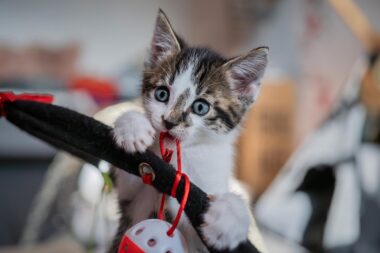
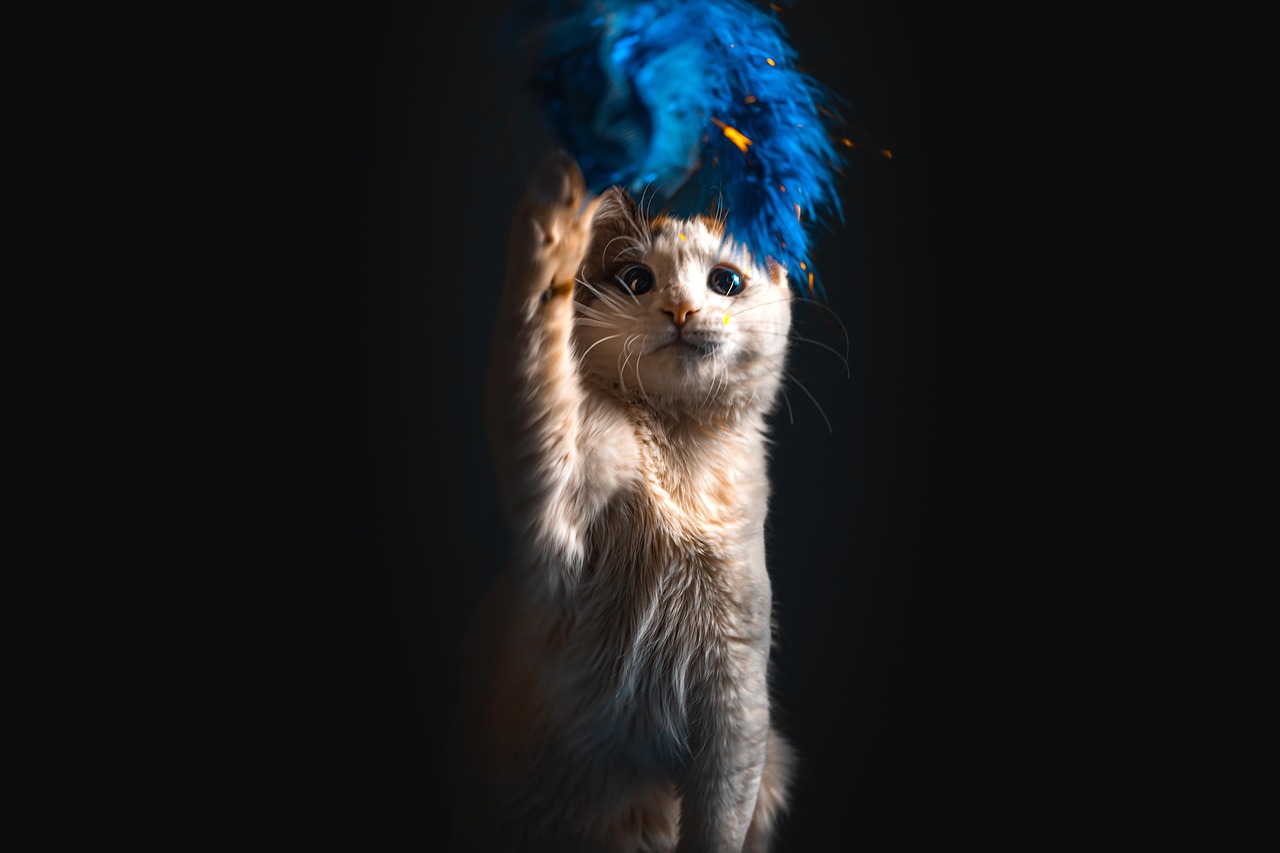
When seeking to enhance the playtime experience for shy or older cats, understanding their unique behaviors and preferences is key. Older cats may not be as physically active as younger ones, but this does not mean they cannot enjoy playtime. Choose quiet environments free from distractions to maintain focus and reduce anxiety during play sessions. Offer toys that reflect your cat’s natural hunting instincts, such as feather wands or small balls. This allows for gentle encouragement without overwhelming them. Observe your cat’s reactions and tailor play appropriately. If active play elicits fear or distress, try incorporating softer, simpler toys. These can engage without imposing stress on your cat.
One effective way to entice older or shy cats into play is through the use of interactive toys. These toys can stimulate mental engagement while requiring minimal physical exertion. Motion-activated devices or toys with varying movements may captivate a shy cat’s attention. Carefully introduce these toys to gauge their interest levels. Take note of which toys your cat is most attracted to and incorporate those into regular playtime. Ensuring that they feel safe and relaxed is paramount to making these activities enjoyable. Regular play can contribute to better health outcomes, and it also strengthens your bond with your feline friend.
Creating a Safe Environment
To foster a safe play environment for older or shy cats, remove potential hazards from the area where you will engage them. Clear the space of any sharp objects, loose wires, or small items that could be ingested. Use soft flooring to provide comfort, especially for senior cats that may have joint issues. Gradually introduce play items during quiet moments. This helps create positive associations with play without causing unwanted stress. Incorporate soft lighting and calming sounds to minimize anxiety. Understanding your cat’s body language will go a long way in determining their comfort level during play.
Introducing new toys one at a time allows your cat to adapt at their own pace. Consider rotating toys regularly to maintain interest without overwhelming them with options. Avoid forcing your cat to engage with a toy that does not attract their attention. Instead, observe their preferences and expand from there. Use playtime to encourage movement in a relaxed manner, enabling them to explore their natural instincts. Gentle coaxing, along with praises and treats, can enhance motivation. This positive reinforcement method promotes a more enjoyable playtime experience while encouraging initiative.
Engagement Through Observation
Observation plays a vital role in determining how to effectively engage shy or older cats in play. Pay attention to how your cat interacts with different types of toys; some might prefer interactive sessions while others may favor solitary play. Pay close attention to their comfort signal; if they appear hesitant, consider adjusting the environment or toy. Create playtime schedules that suit their natural rhythm by selecting appropriate times when your cat is most active or alert. This establishes a routine that will make play more predictable and enticing for your feline companion.
Consider adding puzzle toys or treat dispensers for cats hesitant to engage physically. These options activate mental stimulation while encouraging natural behavior exploration. Cats often prefer toys that require minimal effort, allowing them to engage on their terms. Make sure that the difficulty level matches their abilities; this will eliminate frustration and promote positive experiences. When cats see that playtime can yield rewards, they often become more inclined to participate. Keep their safety a priority while creating enjoyable endeavors that are enriching and engaging.
Utilizing Gentle Encouragement
Employing gentle encouragement can help build confidence in shy and older cats. Use soft and calm voices when calling your cat to engage in play, and avoid sudden movements that could startle them. Incorporate favorite treats within play sessions to spark interest. This approach helps create a secure atmosphere where your cat can thrive socially. Patience is essential; provide time for your cat to adjust and become comfortable with playing at their own pace. Focus on positive interactions and experiences, enhancing the likelihood of them seeking playtime on their own.
As you develop a routine that promotes play, be consistent with your approach. This predictability helps your cat feel secure during these activities, contributing to their overall well-being. Celebrate small progressions and understand that every cat is unique. When they show willingness to engage, be sure to reward them with praise or an extra treat during and post-play sessions. Pay attention to their preferences and adjust the play accordingly. By nurturing a routine that centers on their comfort level, enhancing old cats’ playtime experiences becomes an exciting venture for them.